The "Words That Hurt" campaign by OVEO, developed with Publicis Conseil, addresses the often overlooked impact of verbal abuse by parents on children’s emotional development. The brand proposition centers on raising awareness about ordinary, normalized forms of educational violence that are psychologically damaging, with the promise of promoting non-violent parenting practices to foster healthier child development. By shedding light on the lasting scars left by seemingly casual, hurtful remarks, the campaign advocates for a shift in social norms around parenting, emphasizing the importance of empathetic communication to support children’s self-esteem and future well-being.
The campaign’s market strategy leverages a poignant social experiment and documentary approach, featuring testimonies from adults recounting specific negative phrases they internalized during childhood. This creative angle personalizes the issue, making the emotional consequences tangible and relatable, thus encouraging reflection among parents and the public. The insight hinges on universal experiences—children impacted by parental words—and the societal tolerance of subtle forms of violence in education. By targeting not only parents but also professionals and the broader community, the campaign aims to initiate a cultural conversation about everyday verbal abuse, positioning non-violent education as an achievable and necessary alternative. Distribution across television and social media, paired with accessible resources on associated websites, supports behavioral change by informing and guiding parents toward positive communication strategies.
FORMAT#7 PRESENTER TESTIMONIAL — A person explains the product’s benefits directly to the audience.
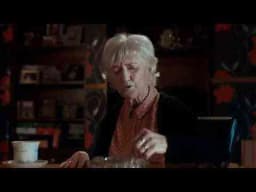
The OVEO 'Words That Hurt' campaign most closely fits the Presenter Testimonial creative format. The campaign centers on five real adults providing direct, first-person testimonies about verbal abuse suffered in childhood—relaying specific sentences that left lasting psychological impact. There is no fictionalized narrative or dramatization; instead, the message is powerfully delivered by real people sharing their personal stories and emotional truths straight to camera. This testimonial approach, common in public interest and awareness campaigns, is confirmed by the genre (Documentary/Social Experiment) and the explicit reference to "testimony" and "delivers his/her little sentence" in the campaign description. There is no product "solution" demonstrated, no symbolic representation, no narrative arc, and no ongoing character or celebrity. The campaign’s primary device is the authentic, testimonial-driven sharing of experience to provoke parental reflection and societal change.
ADVERTISING FORMATS EXPLAINED: https://www.clapboard.com/blog/branding-and-advertising/brand-strategy/12-advertising-creative-formats
1. Stop Harcèlement de Rue – Positioned as a leading French NGO tackling street harassment through awareness campaigns and direct intervention. They emphasize empowering victims and mobilizing public support to change social norms and laws.
2. SOS Amitié – A well-established helpline service providing anonymous emotional support. Their strength lies in offering immediate, empathetic listening to people in distress, building trust through confidentiality and accessibility.
3. Fondation de France – A broad philanthropic organization that supports social cohesion projects, including anti-discrimination efforts. They differentiate by funding grassroots and research initiatives to address underlying societal issues on national scale.
4. Fédération Nationale Solidarité Femmes (FNSF) – Focused on supporting victims of domestic violence, they combine advocacy, shelter services, and policy reform. Their impact comes from a comprehensive support network and strong presence in legal and social reform.
5. Association L’Accolade – Specializes in mental health and bullying prevention through educational programs and social innovation. They leverage community-based strategies and multimedia campaigns to engage youth and promote empathy in schools.
Q: What is Words That Hurt about?
A: Words That Hurt is a 2017 public interest campaign from France, created for OVEO by Publicis Conseil. The campaign focuses on the often-overlooked impact of verbal abuse by parents on children’s emotional development and self-esteem. Through a film featuring five adults sharing the specific hurtful phrases that marked their childhoods, the campaign humanizes the long-term psychological effects of everyday verbal violence. Developed in partnership with the Observatory of Ordinary Educational Violence (OVEO) and Stop VEO, Child Without Violence, Words That Hurt aims to challenge societal norms around parenting and promote non-violent, empathetic communication as a foundation for healthy child development.
Q: What creative device does Words That Hurt use?
A: Words That Hurt employs the Presenter Testimonial format, as classified by Clapboard’s 12-format taxonomy (FORMAT#7). The campaign centers on five real adults delivering direct, first-person testimonies about the verbal abuse they experienced as children, recounting the specific sentences that left lasting emotional scars. There is no dramatization or fictional narrative; instead, the film relies on authentic, testimonial-driven storytelling to provoke reflection and societal change. This approach is common in public interest campaigns, using the power of lived experience to make the issue tangible and relatable for viewers.
Q: What is the campaign proposition for Words That Hurt?
A: The campaign proposition for Words That Hurt is to raise awareness about the psychological harm caused by ordinary, normalized forms of verbal abuse in parenting. OVEO positions itself as an advocate for non-violent education, targeting parents, professionals, and the broader public to encourage a cultural shift toward empathetic, supportive communication with children. By highlighting the lasting impact of seemingly casual hurtful remarks, the campaign underscores the importance of positive parenting practices for fostering children’s self-esteem and future well-being, aiming to break the cycle of normalized psychological violence in French society.
Q: How does Words That Hurt rank in Clapboard's archive?
A: Words That Hurt holds a Clapboard Campaign Score of 68/100 in Clapboard’s global ad archive. This score reflects the campaign’s creative ambition, the quality of its execution, and its relevance within the public interest sector.
Q: Who are the competitors in OVEO's category?
A: In the public interest and child welfare space, OVEO faces competition from organizations such as Stop Harcèlement de Rue, which leads awareness and intervention campaigns against street harassment; SOS Amitié, known for its anonymous emotional support helpline; Fondation de France, which supports broad social cohesion and anti-discrimination initiatives; Fédération Nationale Solidarité Femmes, a key player in domestic violence advocacy and support; and Association L’Accolade, which focuses on mental health and bullying prevention through educational outreach and community engagement. Each competitor brings a distinct approach to addressing societal violence and supporting vulnerable populations.


.webp)