Trees save lives - Greenpeace | Clapboard Ad Archive
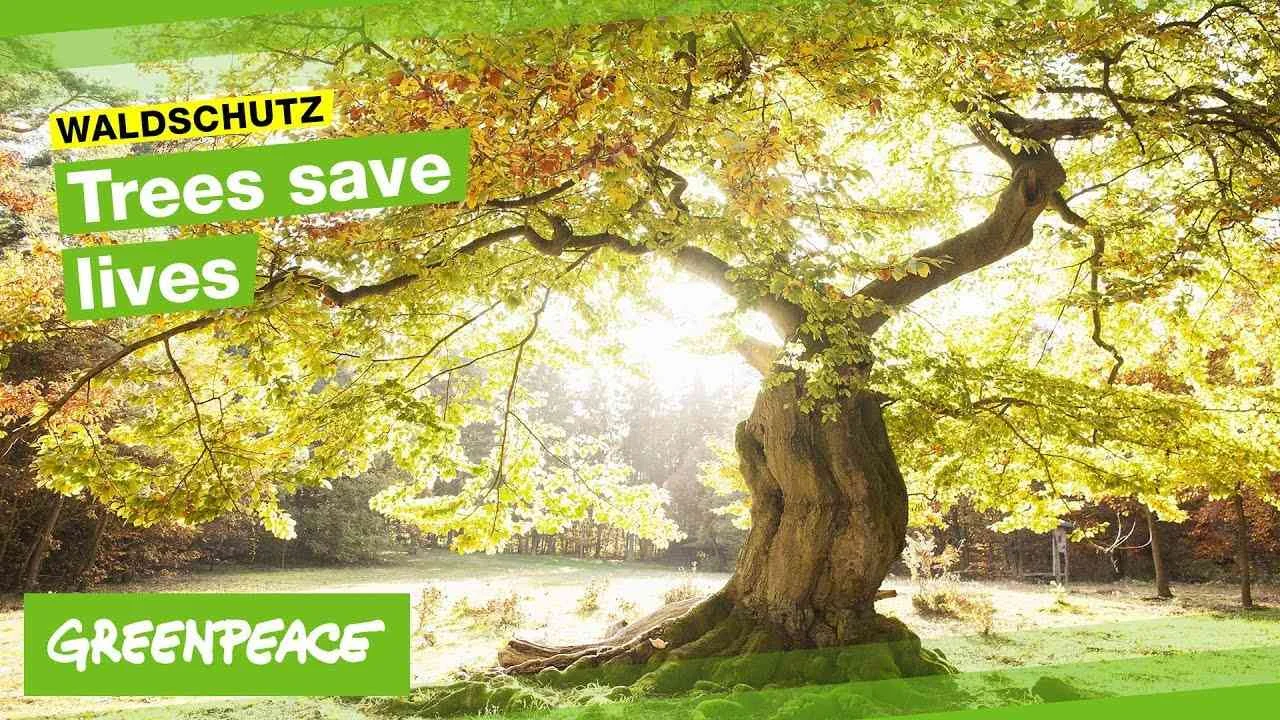
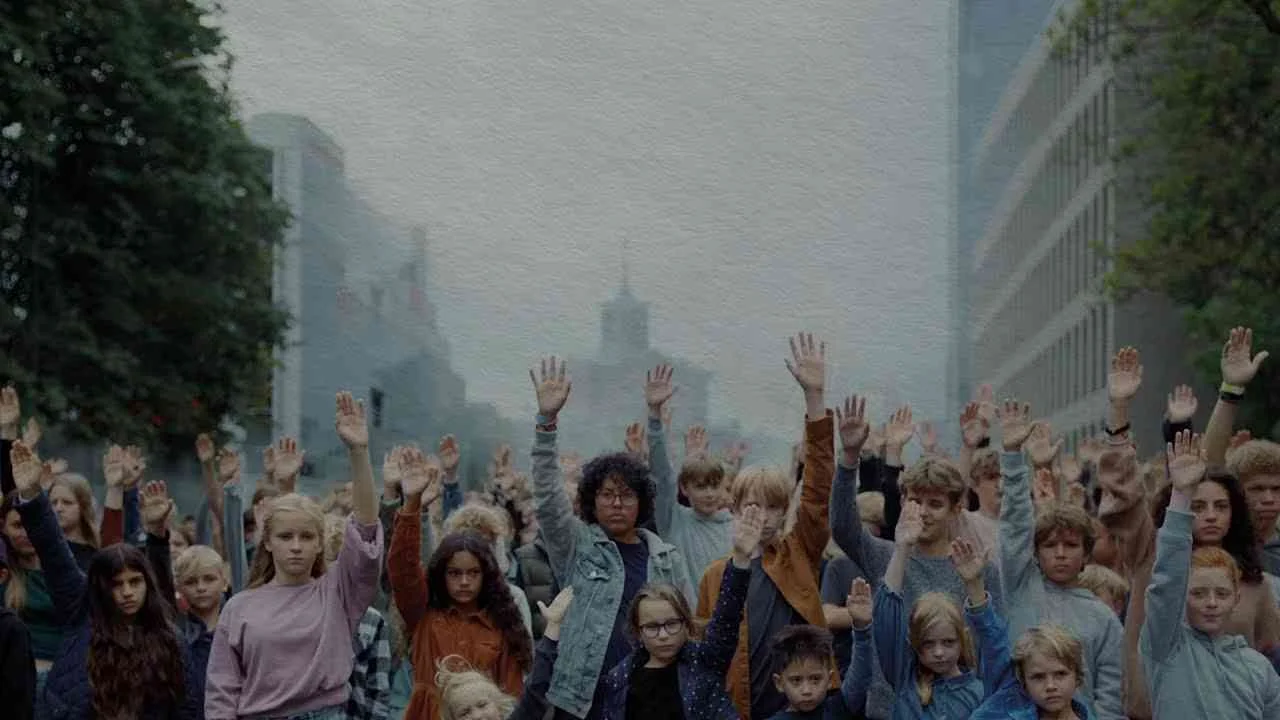
Greenpeace’s Trees Save Lives campaign, developed with Publicis and launched in Germany in 2014, takes a pointed stance within the public service market by demanding a moratorium on the logging of old-growth beech forests under public ownership—positioning the protection of these ancient ecosystems as directly vital to human survival and environmental stability. The campaign’s core creative idea trades on a simple yet powerful analogy: trees saving human lives, elevating the role of forests from background scenery to frontline defenders in the broader battle for ecological and societal well-being. Working through a documentary and social experiment genre, the film medium delivers both gravitas and emotional engagement, orchestrating a narrative that brings viewers into a space where the often-abstract consequences of environmental destruction become tangible—yet never entering the didactic territory of cause-and-effect logic or explicit victim stories. Instead, the storytelling operates entirely through symbolism, with the beech forests serving as emblematic life-givers whose loss would threaten far more than biodiversity alone. This is precisely what Clapboard’s taxonomy would classify as FORMAT#3—Symbolize the Problem, the campaign making deft use of analogy and emblematic imagery to drive action rather than overt persuasion or overt demonstration. The strategic choice to layer a robust digital infrastructure alongside the film—scaling presence across Instagram, TikTok, Threads, Facebook, BlueSky, LinkedIn, and Greenpeace’s own Greenwire platform—closes the loop between awareness and action, offering accessible entry points for individual activism (including local and youth initiatives) and financial support online. Publicis crafts the campaign to play to a German audience highly attuned to sustainability and environmental justice debates, bridging policy-level urgency with participatory, grassroots mechanisms for involvement. This integration amplifies the message’s resonance, transitioning the planetary concept of forest conservation into a local, actionable imperative for policy makers and citizens alike. Greenpeace’s established reputation for impactful, media-driven activism in Germany is reinforced here, with the Trees Save Lives concept demonstrating category fluency alongside direct policy advocacy and mobilization tactics distinct from the more litigation-led, research-heavy, or partnership-based approaches championed by peer organizations such as DUH, NABU, Friends of the Earth Germany, and WWF. The campaign earns 63/100 in Clapboard’s global creative archive. This work signals a maturation in environmental public service communication, where the symbolic weight of nature is leveraged not for abstract advocacy but as a specific and mobilizing frame for preventative, policy-focused action.





.webp)