The Originary Map - SOS AMAZÔNIA | Clapboard Ad Archive
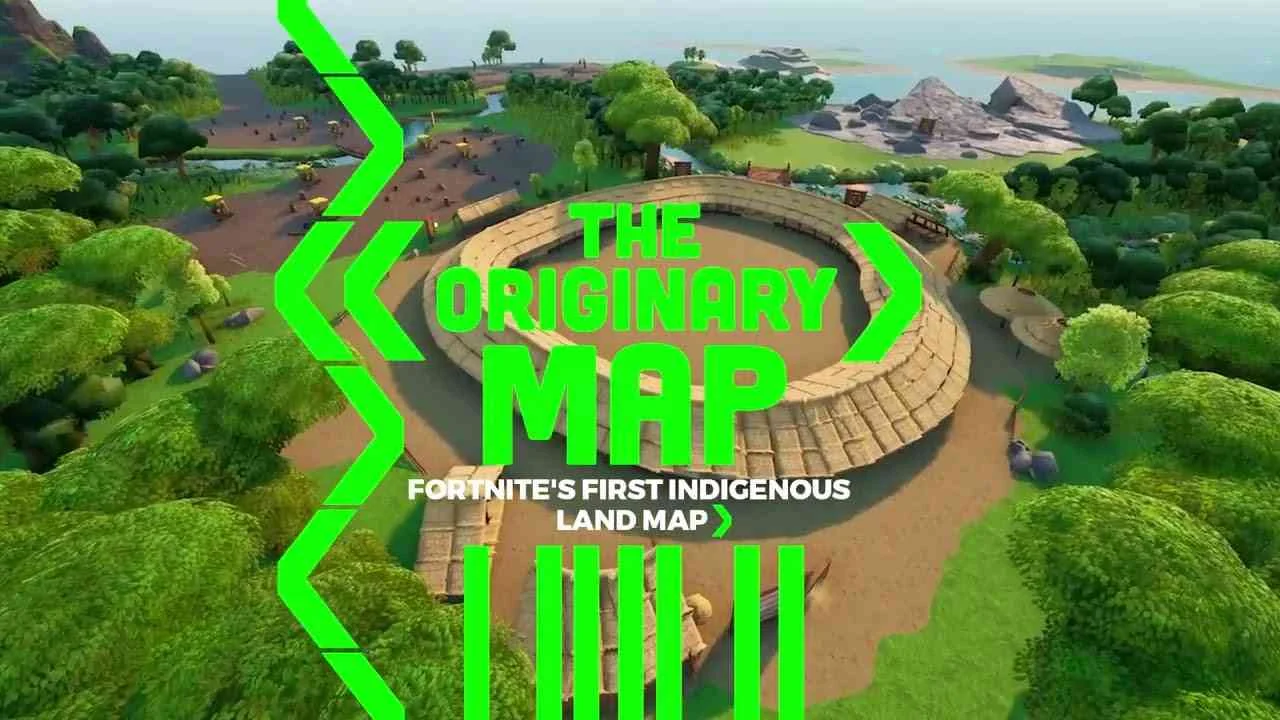
The Originary Map from SOS Amazônia marks a decisive intersection of gaming and activism in the public service category, leveraging the global platform of Fortnite to center the environmental and territorial struggles of indigenous peoples on a virtual stage. Conceived by Leo Burnett Tailor Made and developed in partnership with HeroBase, this campaign introduces the first-ever Fortnite map built around indigenous lands, giving players agency to combat deforestation, dismantle the machinery of illegal logging, contain forest fires, clean polluted rivers, and replant native trees—all challenges modelled directly on real-world ecological threats facing the Amazon. Rather than staging environmental or social threats as literal narratives, the effort embodies what Clapboard’s taxonomy would classify as FORMAT#3—Symbolize the Problem, translating the complexity of indigenous rights, environmental racism, and climate justice into in-game systems where players’ objectives and obstacles stand as analogues for the urgency and interconnectedness of these issues. Access to the map, deliberately gated through sosamazonia.org.br, sustains engagement beyond the game itself—directing players to broader educational resources and a call-to-action supporting the Young Communicators initiative, which empowers Amazonian youth to amplify advocacy for sustainability and indigenous land rights. While incorporating the perspectives of the Federation of the Huni Kuĩ People of Acre, the map focuses on challenges shared across multiple tribes rather than depicting a singular culture, reinforcing the shared stakes and collective urgency facing the Amazon’s original custodians in the wake of accelerating territorial incursion, violence, and environmental degradation. By meeting digital natives and Gen Z audiences inside a platform they trust and inhabit, the campaign establishes an emotional and procedural link between play and activism, exemplifying how branded entertainment and integrated public interest communications can animate advocacy for constitutional and ecological realities. SOS Amazônia’s collaborative, platform-native strategy sidesteps didacticism in favor of immersive participation, with gameplay designed not just to simulate but to symbolize and motivate real-world action that aligns with the organization’s broader mission. Clapboard rates this 79/100. As environmental advocacy continues to diversify its toolkits, The Originary Map demonstrates how games, when anchored in authentic collaboration and strategic symbolism, can activate new constituencies for causes that demand global attention.


.webp)