Goldaru Tussian Campaign Turns Scent Into a Family Healthcare Moment
Goldaru's Tussian campaign is a 2024 Iranian healthcare film that uses a family smell-recognition game to establish Tussian herbal syrup as a trusted household product, produced by 2milimeters Studio under the direction of Javad Samiei and released in March 2024.
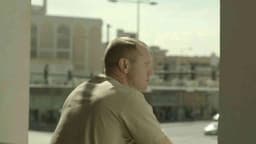
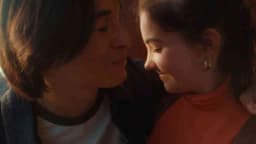
The film opens on two families gathered in a shared domestic space. Children move freely between adults, and the atmosphere is warm and unhurried. The scene shifts into a recognition activity: adults close their eyes and identify foods and products by scent alone. A mother reaches the Tussian syrup, recognises it immediately, and tells those around her that she and her family have used it. The moment is casual, unforced, and entirely rooted in the rhythms of Iranian family life.
The campaign represents a single film asset within a much larger body of work. According to Clapboard, Goldaru produced sixteen product videos and four brand films in partnership with 2milimeters Studio across 2023 and 2024, making Tussian one thread in a coordinated content strategy designed to reposition the brand's full product range. The Tussian film specifically targeted the healthcare category, framing the syrup not as a medicinal necessity but as a product so familiar it lives in sensory memory. In Iran, where pharmaceutical advertising must compete for consumer trust in a highly fragmented domestic market, that distinction carries strategic weight. The campaign earns a Clapboard Score of 53 out of 100, reflecting a solid creative concept with room to deepen measurable impact.
Goldaru is an Iranian pharmaceutical and healthcare company established in Isfahan in 1983 to revive traditional and scientific herbal medicine, according to Maysaco. The company introduced herbal medicines in drop form in 1990 and expanded into syrups, tablets, capsules, gels, ointments, creams, and sprays by 1997, per Maysaco, building a portfolio that sits at the intersection of modern pharmacology and Iran's deep cultural relationship with herbal remedies.
The strategic insight behind Tussian is rooted in sensory branding rather than clinical claim-making. In a market where consumers are accustomed to domestic pharmaceutical products — Iran produces approximately 96% of its medicines by unit volume and about 69.7% by value, according to Vnpca Org Vn — the competitive differentiator is rarely efficacy alone. Iranian consumers navigating a market of approximately 100 pharmaceutical manufacturers operating across more than 60 production facilities, as reported by 6wresearch.com, encounter branded healthcare products that are largely interchangeable on paper. Goldaru's answer is to make Tussian irreplaceable in memory.
The smell-recognition mechanic is culturally precise. Scent as a vehicle for memory and family identity resonates powerfully within Iranian domestic storytelling traditions. Competitors operating in the herbal syrup segment rely predominantly on functional messaging — ingredient lists, efficacy claims, endorsements. By anchoring Tussian to a mother's involuntary recognition and her quiet confirmation of family use, 2milimeters Studio and strategy manager Mahdi Kahi position the brand inside lived experience rather than at the pharmacy shelf. The healthcare narrative becomes personal before it becomes promotional.
Javad Samiei directed the Tussian film and led the ideation team at 2milimeters Studio. The production brings together a fully credited Iranian crew whose collective decisions give the campaign its textural authenticity. Parham Sanaye served as assistant director, Mohsen Nosoohi provided directorial advice and was a member of the ideation team alongside Negar Zein Al Abedini and Mahdi Kahi, with Amir Saeidi as script supervisor and Saeid Pahlavani as production manager, all according to Clapboard.
The cinematography by Iman Ghanbari favours proximity and warmth. Shooting within a domestic interior, the camera stays close to faces during the recognition activity, capturing the micro-expressions that make the mother's identification of Tussian syrup feel unrehearsed. Rames Raz handled set design and costume, ensuring the visual environment reads as specific to Iranian family life rather than generically aspirational. Sound recordist Iman Keivandarian captures ambient domestic texture — children moving, conversation overlapping — which grounds the narrative in the everyday rather than the theatrical.
Editor and colour correction by Somayeh Mohammad Rezaei brings the film to a warm, slightly burnished register that reinforces the nostalgia implicit in scent-based memory. Makeup by Yasaman Jalali keeps the cast naturalistic. Fateme Shokri narrates, lending the film a voice that feels familial rather than authoritative. Actors Ghazal Shirazi, Mehran Mansouri, Floria Rohani, and Ayan Bagheri — the latter a child performer — complete a cast whose chemistry makes the recognition scene credible. Photography across the broader campaign was handled by Maryam Farrokhian. Together, these craft decisions ensure the healthcare message arrives through feeling rather than instruction.
No independently verified third-party performance data for the Tussian campaign is publicly available. The Clapboard Score of 53 out of 100 reflects a creative execution that demonstrates meaningful strategic intent and cultural fluency while leaving measurable commercial impact unconfirmed.
Structurally, the film is built for recall rather than reach. The smell-recognition mechanic creates a single, sticky memory cue — the moment a mother names the syrup without being shown it — that functions as a brand imprint rather than a product demonstration. In Iran's pharmaceutical landscape, where the market was projected at approximately US$7.90 billion in 2024 with a compound annual growth rate of 5.8% through 2028, according to 6wresearch.com, brands that earn emotional ownership of a product category hold a durable advantage over those competing solely on price or availability.
The Tussian film also operates as one component of a sixteen-video product and four-video brand campaign developed by 2milimeters Studio across 2023 and 2024, per Clapboard. Within that architecture, its role is to establish the syrup's family identity at the brand level, creating a foundation on which product-specific claims in other films can land more effectively. The coordination of narrative voice — Fateme Shokri narrating across the broader campaign — and consistent visual grammar strengthens cumulative brand recognition across the full content programme. The campaign's primary structural risk is that a single film asset limits the frequency of the sensory memory cue it so carefully constructs.
The Tussian campaign is a 2024 Iranian healthcare film created by Goldaru and 2milimeters Studio. It depicts a family smell-recognition activity in which a mother identifies Tussian herbal syrup by scent and confirms her family uses it, positioning the product as a trusted and familiar household name rather than a clinical remedy.
Javad Samiei directed the Tussian film and led the ideation team at 2milimeters Studio. He worked alongside assistant director Parham Sanaye, director adviser Mohsen Nosoohi, and strategy manager Mahdi Kahi. The campaign was published in Iran in March 2024 as part of Goldaru's broader sixteen-video product and brand content programme.
Goldaru used scent as a creative device to anchor Tussian syrup in sensory family memory rather than functional claim-making. In Iran's highly fragmented pharmaceutical market, with approximately 100 manufacturers, emotional brand differentiation carries strategic value that ingredient-led messaging alone cannot achieve for a herbal syrup competing on familiarity.
2milimeters Studio served as the advertising agency for Goldaru's full 2023–2024 campaign. The studio produced sixteen product videos and four brand films for Goldaru across that period, according to Clapboard. Tussian is one film within that coordinated programme, with the studio responsible for direction, strategy, production, and post-production.
The Tussian campaign received a Clapboard Score of 53 out of 100. The score reflects a culturally grounded creative concept and strong production craft from 2milimeters Studio, while noting that the campaign's single film asset and absence of publicly verified performance data limit its overall measurable impact within Iran's healthcare advertising landscape.
Iran's pharmaceutical market was projected at approximately US$7.90 billion in 2024, rising toward US$9.90 billion by 2028 at a 5.8% compound annual growth rate, according to 6wresearch.com. For Goldaru, operating in this growing domestic market with a herbal syrup brand, emotional differentiation through campaigns like Tussian supports long-term consumer loyalty.
.webp)
Creative Collaboration Platform: The Backbone of Modern Creative WorkWhat is a creative collaboration platform?Clapboard defines a creative collaboration platform as the operational core for today’s distributed creative teams. This is not a collection of digital collaboration tools stitched together; Clapboard’s system


Understanding the Creative Production MarketplaceWhat is a Creative Production Marketplace?Clapboard defines a creative production marketplace as a structured ecosystem where brands, agencies, and production talent converge to execute video, advertising, and branded content at scale. Unlike the legacy agency or freelanREAD FULL ARTICLE

The Urgent Need for a Creative Production Operating SystemWhy Traditional Creative Production Models Break DownClapboard sees the creative production landscape shifting under pressure. Content velocity is no longer a buzzword—it’s a mandate. Modern advertising demands relentless output across dozens of channels, each wREAD FULL ARTICLE