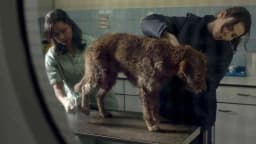
Emmentaler's 2012 Gecko technology campaign by Leo Burnett Switzerland staged a fictional animal-welfare innovation to generate national buzz around Swiss

Emmentaler Gecko Technology Fooled Switzerland Into Caring About Cheese
Emmentaler's Gecko technology campaign is a 2012 Swiss food advertising stunt created by Leo Burnett in which the brand announced a fictional programme placing fly-eating geckos on dairy cows to reduce bovine stress, improve milk quality, and produce what it called a more harmonious cheese.
Emmentaler Switzerland published the campaign in March 2012, with a press release dated March 26, 2012, according to Presseportal Ch. The fictional product was announced ahead of a planned public reveal, building anticipation across Switzerland through online channels and guerrilla activity before the April 1 disclosure. The campaign was created for Emmentaler AOC, the brand operating under the protected designation that Swiss Emmentaler received in 2006, as documented by Emmentaler Ch, making the cheese's provenance and quality credentials a meaningful backdrop for the creative conceit.
The geographic market is Switzerland, and the campaign spoke directly to Swiss pride in artisanal dairy production. The core premise — that gecko-assisted pest control could measurably elevate cheese character — was absurd enough to invite curiosity while remaining anchored in the genuine quality story Emmentaler has long told about its production methods. A public tasting event was scheduled for April 1, 2012, at Bundesplatz and Bärenplatz in Bern, between 2:00 and 4:00 in the afternoon, as confirmed by markt-kom.com and emmentaler.ch. The single film asset at the heart of the campaign carried the scientific-sounding gecko technology framing with a straight face, lending the reveal its comedic and social power. Clapboard scores the campaign 67 out of 100, reflecting its inventive cultural timing and strong earned-media structure, offset by limited documented long-term brand impact.
Leo Burnett Switzerland identified a structural opportunity in the Swiss dairy calendar. April 1 is a universally understood signal that something is not meant to be taken literally, but the agency and Emmentaler inverted that expectation by staging the gecko technology announcement with the seriousness of a genuine agricultural innovation.
The strategic logic was rooted in Emmentaler's competitive position. In the Swiss and broader European dairy market, authentic Swiss Emmentaler AOP competes against a wide field of industrial imitations. According to indexbox.io and pmarketresearch.com, major competitive groups operating in the European Emmental category include Emmi Group, Groupe Lactalis, Arla Foods, Savencia and Entremont, Hochland, and FrieslandCampina. These producers manufacture Emmental-style cheeses outside Switzerland, often at lower cost, meaning Emmentaler AOP's differentiation rests almost entirely on provenance, craft, and the emotional resonance of its Swiss origin story. The gecko technology campaign reinforced that differentiation by dramatising, in absurdist form, the brand's genuine commitment to animal welfare and natural production processes.
The campaign also reflected a broader understanding of how earned media travels in Switzerland. By seeding the fictional press release through presseportal.ch and allowing online coverage to build before the April 1 reveal, Leo Burnett structured the campaign as a discovery experience rather than a broadcast. Consumers encountered the gecko story and formed an opinion before the punchline arrived, which is a more engaging journey than a conventional cheese advertising spot. That mechanic gave the food campaign disproportionate reach relative to its production footprint, as noted by adsoftheworld.com in its documentation of the work.
Emmentaler's Gecko technology campaign rests on a single film asset. The creative approach demanded that the production treat an entirely invented agricultural technology with documentary seriousness, and the execution delivered that tone without winking at the audience prematurely.
The campaign was created at Spillman Felser Leo Burnett Zurich, the Swiss affiliate of the Leo Burnett network that also produced the brand's subsequent 2013 work, identified as The National Day Emmentaler, according to adsoftheworld.com and horizont.net. The Spillman Felser Leo Burnett team brought consistent craft to Emmentaler's advertising during this period, building a body of Swiss dairy work that relied on character and cultural specificity rather than production scale. Creative credits for the Gecko technology campaign include Peter Brönnimann, Diana Rossi, and Simon Staub, whose names are associated with the Leo Burnett Switzerland team responsible for the work, as documented by adsoftheworld.com. Their approach to the gecko technology film leaned into the visual language of agricultural science communication — measured pacing, factual framing, the visual iconography of Swiss farmland — which made the absurdist premise land harder by contrast.
The guerrilla and online seeding activity that preceded the April 1 reveal was integral to the creative architecture. The film was not designed to function as a standalone television spot but as the centrepiece of a staged announcement that moved through press, digital, and live event formats in sequence. That sequential structure required the creative team to maintain the gecko technology fiction across multiple touchpoints over several days, a discipline that the production appears to have held, given the documented public attendance at the Bern tasting event confirmed by markt-kom.com.
No verified paid-media performance data for the Gecko technology campaign is publicly available, and no sales figures, brand-tracking results, or media-spend disclosures have been documented by Emmentaler Switzerland or Leo Burnett in accessible sources.
What is verifiable is the live activation result. According to markt-kom.com and presseportal.ch, more than 1,000 people attended the April 1, 2012, tasting event at Bärenplatz and Bundesplatz in Bern. For a guerrilla cheese advertising campaign in Switzerland built around a fictional animal-welfare premise, that figure represents meaningful physical engagement in the brand's home geography. The campaign also generated documented international online attention, with kottke.org among the publications that noted the work, extending Swiss dairy conversation beyond the domestic market without additional media investment.
The structural effectiveness of the gecko technology campaign lies in its compression of multiple marketing objectives into a single creative conceit. It reinforced Emmentaler AOP's differentiation from industrial competitors such as Arla Foods and Groupe Lactalis, it generated press coverage through a credible fictional announcement seeded via presseportal.ch, and it converted online curiosity into a live branded moment at a landmark Bern location. The campaign's 67 out of 100 Clapboard Score reflects this layered ambition: the mechanics were sophisticated, the cultural timing was precise, and the brand fit was genuine, but the absence of documented sustained impact or measurable brand-equity movement limits the score's ceiling.
Emmentaler's Gecko technology campaign was a 2012 Swiss advertising stunt by Leo Burnett. The brand announced a fictional programme placing geckos on dairy cows to eat flies, reduce stress, and improve milk quality. The reveal occurred on April 1, 2012, at Bundesplatz in Bern, as confirmed by markt-kom.com.
Spillman Felser Leo Burnett Zurich created the Gecko technology campaign for Emmentaler AOC. The Swiss affiliate of the Leo Burnett network produced the work, with creative contributions from Peter Brönnimann, Diana Rossi, and Simon Staub, as documented by adsoftheworld.com. The campaign was published in March 2012 in Switzerland.
More than 1,000 people attended the Gecko technology tasting event on April 1, 2012, in Bern, Switzerland. The event took place at Bärenplatz and Bundesplatz between 2:00 and 4:00 in the afternoon, according to markt-kom.com and presseportal.ch, making it a significant live activation for a guerrilla food campaign.
Emmentaler used the April Fools format to generate earned media and reinforce its quality credentials against industrial Emmental competitors. Leo Burnett seeded the fictional gecko technology press release before the reveal, creating a discovery experience. The strategy gave the Swiss dairy brand disproportionate reach without requiring large paid-media investment.
Clapboard scores the Emmentaler Gecko technology campaign 67 out of 100. The score reflects inventive cultural timing, a strong earned-media structure, and genuine brand fit with Emmentaler AOP's provenance story. The absence of publicly documented sustained brand-impact data limits the score from reaching a higher range.
Emmentaler AOP received its protected designation in 2006, according to emmentaler.ch, anchoring its identity in Swiss provenance. The gecko technology campaign dramatised that commitment to natural production in absurdist form, directly contrasting Emmentaler with industrial competitors including Arla Foods and Groupe Lactalis producing Emmental-style cheeses outside Switzerland.
.webp)
Creative Collaboration Platform: The Backbone of Modern Creative WorkWhat is a creative collaboration platform?Clapboard defines a creative collaboration platform as the operational core for today’s distributed creative teams. This is not a collection of digital collaboration tools stitched together; Clapboard’s system


Understanding the Creative Production MarketplaceWhat is a Creative Production Marketplace?Clapboard defines a creative production marketplace as a structured ecosystem where brands, agencies, and production talent converge to execute video, advertising, and branded content at scale. Unlike the legacy agency or freelanREAD FULL ARTICLE

The Urgent Need for a Creative Production Operating SystemWhy Traditional Creative Production Models Break DownClapboard sees the creative production landscape shifting under pressure. Content velocity is no longer a buzzword—it’s a mandate. Modern advertising demands relentless output across dozens of channels, each wREAD FULL ARTICLE