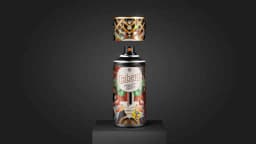
The "No more spills" campaign by Zlaty Bazant, launched in Slovakia in 2016, centers on promoting the brand’s non-alcoholic Radler in a closable bottle. The core brand proposition emphasizes convenience and control, addressing a common consumer pain point associated with traditional beverage containers — accidental spills. By introducing a bottle design that can be securely sealed after opening, Zlaty Bazant promises a spill-free drinking experience, enhancing usability and portability without compromising the refreshing appeal of the Radler drink.
The market strategy is grounded in a functional innovation approach, leveraging product design as a differentiator in the crowded alcoholic and non-alcoholic drinks segment. The insight driving the campaign is the everyday frustration consumers face with open bottles, especially in on-the-go or social settings where spillage can result in wasted product and inconvenience. By highlighting this practical feature, the campaign targets active consumers who appreciate convenience and seek versatile refreshment options that fit into their mobile lifestyles. The creative angle uses straightforward communication that connects the product benefit directly with consumer needs, avoiding overly complex messaging. Through a film medium and simple, relatable execution, the campaign positions Zlaty Bazant Radler as not only a tasty non-alcoholic choice but also as a user-friendly alternative designed to integrate seamlessly into daily routines. This approach aligns the brand with modern consumption habits and reinforces its relevance in the Food & Drink market by solving a real problem with a tangible product innovation.
FORMAT#1 DEMONSTRATION — Directly shows how a product works and highlights its benefits.
This campaign is centered on the new closable bottle for Zlaty Bazant’s non-alcoholic Radler, with the headline “No more spills.” The introduction and metadata emphasize a practical benefit — the prevention of spills thanks to the innovative packaging. There are no cues for storytelling, symbolism, celebrity, or user imagery; instead, the focus is likely on visually demonstrating how the closable bottle solves a long-standing annoyance (spilled drinks). The campaign’s title and focus imply that the film medium was used to clearly show and highlight this direct functional advantage, making DEMONSTRATION the best-fitting creative format.
ADVERTISING FORMATS EXPLAINED: https://www.clapboard.com/blog/branding-and-advertising/brand-strategy/12-advertising-creative-formats
1. Heineken – Positioned as a premium international beer brand, Heineken leverages its global heritage, consistent quality, and innovative marketing campaigns. It focuses on a youthful, cosmopolitan audience seeking a refined yet accessible beer experience, often promoting responsible drinking and a vibrant social lifestyle.
2. Pilsner Urquell – Known as the world’s first pale lager, Pilsner Urquell emphasizes tradition, originality, and authentic brewing methods. It positions itself as a heritage brand delivering rich taste and craftsmanship, appealing to consumers who value historical legacy and premium quality in beer.
3. Staropramen – Staropramen combines Czech brewing tradition with modernity, positioning itself as a beer for everyday enjoyment and social connection. It targets a broad demographic by offering balanced taste and approachable branding, focusing on authentic experiences and cultural relevance in Central Europe.
4. Kelt – Positioned as a younger, trend-forward Slovakian beer, Kelt targets energetic, social consumers seeking affordable quality and dynamic brand communication. It differentiates by aligning with music, nightlife, and urban culture, emphasizing fun, freshness, and local relevance.
5. Bernard – Bernard prides itself on being a craft and family-owned brewery, emphasizing natural ingredients and traditional Czech brewing techniques. Positioned as an artisanal and authentic alternative, Bernard appeals to discerning consumers prioritizing taste, craftsmanship, and independent brands within the alcoholic drinks industry.
Q: What is No more spills about?
A: No more spills is a 2016 campaign from Zlaty Bazant, developed by Leo Burnett and launched in Slovakia, that introduces the brand’s non-alcoholic Radler in an innovative closable bottle. The campaign is centered on a direct and relatable consumer benefit: preventing accidental spills and enhancing convenience for drinkers on the go. Using a film medium, the campaign demonstrates how the new packaging addresses a common annoyance with traditional bottles, positioning Zlaty Bazant Radler as a practical and modern choice in the Food & Drink market.
Q: What creative device does No more spills use?
A: No more spills employs the DEMONSTRATION format, as classified by Clapboard’s 12-format taxonomy. This approach directly showcases how the product works by visually highlighting the closable bottle’s spill-prevention feature. The campaign avoids abstract storytelling or celebrity endorsements, instead relying on straightforward, functional communication to make the product’s advantage immediately clear. By focusing on a tangible solution to a familiar problem, the creative execution ensures that the core benefit is both memorable and persuasive to the target audience.
Q: What is the campaign proposition for No more spills?
A: The campaign proposition for No more spills is built around Zlaty Bazant’s promise of convenience and control through its non-alcoholic Radler in a closable bottle. Targeting active consumers who value practicality and ease of use, the campaign addresses the everyday frustration of spilled drinks, especially in social or mobile settings. By emphasizing a spill-free experience, Zlaty Bazant positions itself as a brand that innovates to meet real consumer needs, reinforcing its relevance in the competitive Food & Drink category and aligning with contemporary lifestyles that demand versatility and reliability.
Q: How does No more spills rank in Clapboard's archive?
A: No more spills holds a Clapboard Campaign Score of 54/100, reflecting the campaign’s creative ambition, execution quality, and cultural relevance as assessed by Clapboard’s global ad archive. This score situates the campaign within the broader context of advertising innovation, recognizing its focus on functional product design and clear communication in the Slovak market.
Q: Who are the competitors in Zlaty Bazant's category?
A: In Zlaty Bazant’s category, key competitors include Heineken, which positions itself as a premium international beer brand with a focus on youthful, cosmopolitan consumers and responsible drinking; Pilsner Urquell, renowned for its heritage and authentic brewing methods appealing to those who value tradition and quality; Staropramen, which blends Czech brewing tradition with modernity for broad, everyday appeal; Kelt, targeting younger, trend-driven Slovakian consumers with dynamic, urban branding; and Bernard, which emphasizes craft credentials and natural ingredients to attract discerning drinkers seeking artisanal authenticity.


 ARCHIVE
.webp)