The Cleanest Font In The World - Ecologists Without Borders | Clapboard Ad Archive
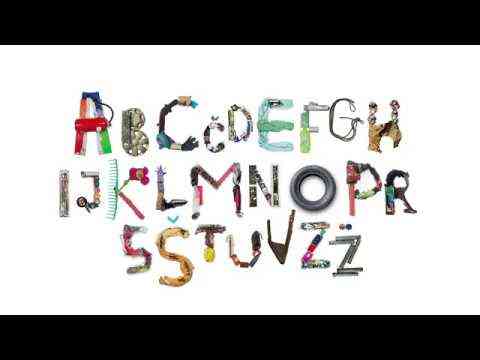
Ecologists Without Borders and DDB’s 2018 campaign The Cleanest Font In The World stands as a striking example of innovation in the public interest category by transforming the physical detritus collected during Slovenia’s World Cleanup Day into a fully functional typeface that encompasses every letter of the Slovenian alphabet. This experiential campaign transcends conventional environmental messaging by embodying Clapboard’s FORMAT#9—Symbolize The Benefit—through a visual and conceptual metaphor that recasts waste not as discarded refuse but as raw material for creative and sustainable reuse. By sourcing old cans, batteries, bottles, tires, helmets, jackets, and furniture from a nationwide cleanup effort, the campaign materializes the abstract notion of recycling into an accessible, vectorized font available as freeware, inviting global audiences to integrate this symbol of environmental stewardship into their own communications. This approach effectively bridges art and activism, making environmental responsibility tangible and participatory rather than didactic or prescriptive. The font’s existence on a dedicated online platform ensures the campaign’s longevity and amplifies its reach beyond Slovenia’s borders, reinforcing the idea that ecological action can be both community-driven and universally resonant. DDB’s creative execution leverages the power of symbolic transformation to elevate the campaign’s message, demonstrating that every piece of trash holds potential value and can contribute to a greener future when thoughtfully repurposed. The Cleanest Font In The World does not rely on traditional storytelling or problem-solution frameworks but instead harnesses the immediate impact of a bold visual metaphor that invites ongoing engagement and reflection. This campaign earns 79/100 in Clapboard’s global creative archive. The Cleanest Font In The World matters to the industry because it shows how environmental campaigns can harness creativity and collective action to create enduring cultural assets that redefine the role of public interest advertising.






.webp)