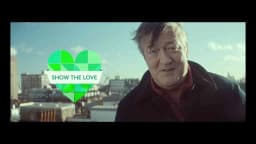
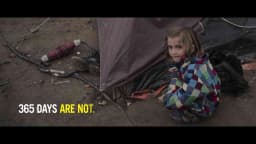
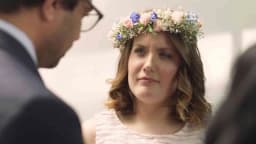
Puur Gent's 'We have it all' campaign, created by De Blauwe Peer in July 2017, positions Ghent as Belgium's most dynamic and welcoming urban destination.

Puur Gent Declares Ghent Has It All in a 2017 Belgian Digital Campaign
Puur Gent's 'We have it all' is a Belgian digital public-interest campaign published in July 2017, created by Ghent agency De Blauwe Peer, designed to promote Ghent as a dynamic, welcoming, and future-oriented shopping and hospitality destination through a single narrative media asset.
Puur Gent operates as the commercial name of vzw BIG, the Business Improvement District Gent, as documented by Stad Gent. The organisation is fully funded by the City of Ghent, giving it a mandate that sits at the intersection of public-interest communication and destination marketing. Rather than functioning as a conventional public-service advertiser, Puur Gent acts as an umbrella brand representing the full range of experiences the city has to offer — its retail landscape, its hospitality culture, and its civic identity.
The campaign's central ambition is to collapse the distance between a resident's lived experience of Ghent and the city's external perception. In Belgium, where cities like Bruges and Antwerp compete fiercely for tourist and consumer attention, the case for Ghent demands specificity. De Blauwe Peer answered that demand with a campaign built around narrative authenticity rather than conventional destination-marketing imagery. The resulting work carries a single confident declaration — that Ghent, as a place, contains everything a person could want — and anchors that declaration in the vernacular of the city itself.
The tagline chosen for the campaign is 'Ier nie, nergens nie', a Ghent dialect phrase translating broadly as 'Here, not anywhere else', as documented in the Clapboard archive. The choice of local dialect is not incidental. It signals that the campaign speaks from inside the city rather than about it, a creative decision that shapes both tone and credibility. The campaign consists of one media asset, delivered through digital channels, and was published in July 2017. Clapboard assigns the work a score of 56 out of 100.
Puur Gent competes in a Belgian city-marketing environment where public funding and destination positioning are the defining variables. As documented by stad.gent, the organisation receives its budget from the City of Ghent directly, which means its communications must serve both a civic function and a commercial one — encouraging footfall into the city's retail and hospitality economy while reinforcing Ghent's broader identity for residents and visitors alike.
Belgian city-marketing operates in a crowded field. Bruges, with its medieval architecture and established international tourism profile, and Antwerp, with its fashion credentials and diamond trade heritage, represent the two most prominent competitors for attention and visitor spending in the Flemish region. Puur Gent's strategic response, visible in the 'We have it all' campaign, is to reject direct comparison and instead assert totality — that Ghent does not need to be defined against its neighbours because it contains a sufficient universe of experience within itself.
The strategic choice to use the Ghent dialect tagline 'Ier nie, nergens nie', as recorded in the Clapboard archive, reinforces this logic. Dialect is a form of cultural property. By grounding the campaign's core message in language that belongs specifically and recognisably to Ghent, De Blauwe Peer transforms a marketing claim into a cultural statement. The campaign's positioning, as noted in the Clapboard archive, frames Puur Gent as a destination brand rather than a promotional vehicle, which is a meaningful strategic distinction. According to Pub Be, the Belgian advertising and communications industry places considerable value on authenticity and local cultural resonance in public-interest work, a context that makes the dialect choice strategically sound rather than merely sentimental.
David De Beukelaer directed the creative vision for 'We have it all', serving as both creative director and copywriter on the project. Jef Mattheeuws contributed as art director and photographer, shaping the visual language of the campaign, while Katrien Dierickx provided illustration work. Peter Vandenberghe handled production through De Blauwe Peer, as documented in the Clapboard archive.
The creative team's structural decision to build the campaign around a single media asset is significant. In an era when Belgian digital campaigns often pursue multi-format distribution across multiple platforms, the choice to concentrate creative energy into one piece suggests a commitment to depth over reach. The asset is designed to carry the full weight of the campaign's argument — that Ghent is not a city of isolated attractions but a coherent, layered urban experience.
De Beukelaer's copywriting is anchored by the dialect tagline, which functions simultaneously as a geographical declaration and an emotional provocation. The phrase 'Ier nie, nergens nie' carries the confidence of local pride without the defensiveness that city-marketing copy often slips into. Mattheeuws's photographic contribution brings a visual register that, when combined with Dierickx's illustration, suggests a city that holds both the documentary and the imaginative within it. The blend of photography and illustration is a creative choice that positions Ghent as a place with both real texture and cultural aspiration.
De Blauwe Peer, as a Ghent-based agency, brings an insider's understanding of the city's character to the work, as referenced in the Made-In Be coverage of the Belgian creative industry. That proximity to the subject is a production advantage that shapes the campaign's tone from the ground up, lending the finished work a quality of genuine local knowledge rather than externally produced destination content.
 ARCHIVE
No verified performance data for 'We have it all' is publicly available. No documented figures for reach, engagement, footfall impact, or conversion attributed to the campaign appear in public records. The Clapboard archive assigns the campaign a score of 56 out of 100, a rating that positions the work in the mid-range of the archive's public-interest category — competent and coherent, but not exceptional by the archive's evaluative standards.
Structurally, the campaign demonstrates clear strategic alignment between client mandate and creative output. Puur Gent's role as the commercial brand of vzw BIG, fully funded by the City of Ghent as documented by stad.gent, requires communications that justify public investment through demonstrable civic value. The campaign meets that requirement by choosing narrative and cultural authenticity over spectacle, a decision that tends to produce durable brand equity rather than short-term attention spikes.
The single-asset format is both a strength and a constraint. It concentrates creative quality but limits the campaign's capacity to sustain conversation across digital channels over time. For a destination brand operating in a competitive Flemish market alongside cities like Bruges and Antwerp, sustained visibility is a material consideration. The dialect tagline is the campaign's most enduring creative element — it is distinctive, territorially specific, and resistant to imitation by competitors, which gives the work a degree of long-term brand-building value that the Clapboard score alone does not fully capture.
'We have it all' is a Belgian digital public-interest campaign published in July 2017. Created by De Blauwe Peer for Puur Gent, it promotes Ghent as a dynamic, welcoming, and future-oriented urban destination using a single narrative media asset and a Ghent dialect tagline, as documented in the Clapboard archive.
De Blauwe Peer, a Ghent-based agency, created the campaign. The creative team included David De Beukelaer as creative director and copywriter, Jef Mattheeuws as art director and photographer, Katrien Dierickx as illustrator, and Peter Vandenberghe overseeing production, as documented in the Clapboard archive.
'Ier nie, nergens nie' is a Ghent dialect phrase translating broadly as 'Here, not anywhere else.' Used in the 2017 'We have it all' campaign, it roots the brand message in local cultural identity, signalling that the campaign speaks from inside Ghent rather than about it, according to the Clapboard archive.
Puur Gent operates as the commercial name of vzw BIG, the Business Improvement District Gent, and is fully funded by the City of Ghent, as documented by stad.gent. This structure gives the organisation a dual mandate covering both civic public-interest communication and the promotion of Ghent's retail and hospitality economy.
The Clapboard archive assigns 'We have it all' a score of 56 out of 100. This places the campaign in the mid-range of the archive's public-interest category, reflecting work that is strategically coherent and creatively grounded but does not reach the upper tier by the archive's evaluative standards.
Puur Gent's 'We have it all' differentiates itself from competitors such as Bruges and Antwerp by asserting totality rather than specific attributes. The use of Ghent dialect and a single focused digital asset reflects a strategy of cultural authenticity over broad-reach spectacle, a distinction noted in coverage of the Belgian creative industry by made-in.be.
.webp)
Creative Collaboration Platform: The Backbone of Modern Creative WorkWhat is a creative collaboration platform?Clapboard defines a creative collaboration platform as the operational core for today’s distributed creative teams. This is not a collection of digital collaboration tools stitched together; Clapboard’s system


Understanding the Creative Production MarketplaceWhat is a Creative Production Marketplace?Clapboard defines a creative production marketplace as a structured ecosystem where brands, agencies, and production talent converge to execute video, advertising, and branded content at scale. Unlike the legacy agency or freelanREAD FULL ARTICLE

The Urgent Need for a Creative Production Operating SystemWhy Traditional Creative Production Models Break DownClapboard sees the creative production landscape shifting under pressure. Content velocity is no longer a buzzword—it’s a mandate. Modern advertising demands relentless output across dozens of channels, each wREAD FULL ARTICLE