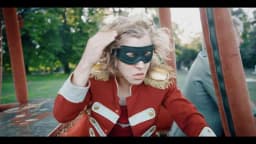
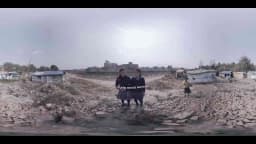
The Amnesty International campaign titled "Mud," launched in Belgium in 2016, seeks to embody the brand’s core proposition of standing firmly against injustice and human rights violations. Through a documentary-style social experiment, the campaign underscores the harsh realities faced by victims of oppression, proposing a call to awareness and collective action. By leveraging the visceral metaphor of “mud,” the campaign conveys the weight and messiness of these human rights struggles, implicitly promising that Amnesty International is committed to navigating through these challenges to achieve justice.
Strategically, the campaign targets a socially conscious audience likely to be moved by authentic, emotionally resonant storytelling rooted in real-world issues. The creative approach embraces documentary and social experiment genres to foster an intimate, immersive experience, enhancing credibility and emotional impact. This method hinges on the insight that viewers are more receptive to calls for human rights advocacy when presented with tangible, relatable narratives rather than abstract statistics or traditional appeals. By situating the campaign within the digital sphere—particularly on platforms like YouTube—the campaign leverages accessibility and shareability to maximize reach and engagement among a connected, globally aware demographic. While modest in reach and engagement metrics, the campaign’s focused, thoughtful framing reflects a deliberate attempt to provoke reflection and dialogue on human rights, positioning Amnesty International not just as an observer but as an active agent in confronting societal injustices.
FORMAT#3 SYMBOLIZE THE PROBLEM — Uses symbols or analogies to represent the problem instead of showing it literally.
The campaign “Mud” for Amnesty International, classified under Public Interest and set within a Documentary/Social Experiment genre, likely employs a symbolic device to communicate its core message. Rather than depicting human rights abuses in a literal or testimonial manner, the use of “Mud” as the title signals a metaphorical representation of the problem—possibly illustrating how rights are obscured, degraded, or people are ‘dragged through the mud.’ Documentary/social experiment cues suggest involvement of real people encountering a symbolic situation rather than a direct product benefit or stepwise solution. There are no story-driven arcs or celebrity elements; instead, the campaign leans on evocative imagery or analogy to provoke thought, fitting the Symbolize the Problem creative format.
ADVERTISING FORMATS EXPLAINED: https://www.clapboard.com/blog/branding-and-advertising/brand-strategy/12-advertising-creative-formats
1. Human Rights Watch – Market Positioning
Human Rights Watch positions itself as a global authority on human rights abuses, using rigorous, evidence-based investigations and detailed reporting to influence policymakers and the public. Their strategic angle focuses on high-impact advocacy and international justice, leveraging media and legal channels to hold perpetrators accountable.
2. Red Cross (International Federation of Red Cross and Red Crescent Societies) – Market Positioning
Red Cross is distinguished by its extensive humanitarian aid network and neutrality, emphasizing emergency response, disaster relief, and health services. Their brand strategy centers on being a trusted, apolitical actor providing immediate, practical support in crises worldwide.
3. Médecins Sans Frontières (Doctors Without Borders) – Market Positioning
Médecins Sans Frontières differentiates through delivering medical aid in conflict zones and underserved regions, emphasizing impartiality and frontline presence. Their positioning highlights courage and urgency in crisis healthcare, with a strong focus on bearing witness to human rights violations through medical care.
4. Transparency International – Market Positioning
Transparency International focuses on combatting corruption globally through research, advocacy, and empowering civic engagement. Their strategic approach involves raising awareness of systemic corruption’s impact on human rights, promoting transparency as essential to social justice and governance reform.
5. Save the Children – Market Positioning
Save the Children positions itself around improving children’s rights and welfare globally, combining emergency response with long-term development programs. Their niche lies in advocacy for children’s education, health, and protection, using emotionally driven campaigns and policy influence to mobilize support and change.
Q: What is Mud about?
A: Mud is a professional campaign created for Amnesty International by the agency Serviceplan and launched in Belgium in 2016. Developed for the Public Interest sector, this digital campaign centers on a documentary-style social experiment designed to raise awareness of human rights issues. By leveraging a single, impactful media asset, Mud aims to provoke thought and empathy among viewers, aligning with Amnesty International’s mission to protect and promote human rights. The campaign’s digital execution enables precise audience targeting and meaningful engagement, reflecting a strategic approach to advocacy in the contemporary media landscape.
Q: What creative device does Mud use?
A: Mud employs the Symbolize the Problem creative format, classified as FORMAT#3 in Clapboard’s 12-format taxonomy. Rather than depicting human rights abuses in a literal or testimonial fashion, the campaign uses the metaphor of mud to represent the obscuring and degrading effects of injustice. This symbolic approach invites viewers to engage emotionally and intellectually, encouraging reflection on the underlying issues without resorting to graphic imagery. The use of analogy and evocative visuals is central to the campaign’s ability to communicate its message with impact and restraint.
Q: What is the campaign proposition for Mud?
A: The campaign proposition for Mud is rooted in Amnesty International’s commitment to standing against injustice and human rights violations. By adopting a documentary-style social experiment, the campaign targets a socially conscious audience, aiming to foster awareness and inspire collective action. The metaphor of mud underscores the complexity and gravity of human rights struggles, positioning Amnesty International as an organization willing to confront difficult realities in pursuit of justice. This approach is designed to resonate with viewers who are more likely to respond to authentic, emotionally charged storytelling grounded in real-world issues.
Q: How does Mud rank in Clapboard's archive?
A: Mud holds a Clapboard Campaign Score of 63/100. This score reflects the campaign’s creative ambition, execution quality, and cultural relevance as assessed by Clapboard’s global ad archive.
Q: Who are the competitors in Amnesty International's category?
A: In the public interest and human rights sector, Amnesty International competes with organizations such as Human Rights Watch, which is recognized for its evidence-based investigations and advocacy; the Red Cross, known for its neutrality and rapid humanitarian response; Médecins Sans Frontières, which focuses on delivering medical aid in crisis zones while bearing witness to abuses; Transparency International, which targets global corruption through research and civic engagement; and Save the Children, which advocates for children’s rights and welfare through emotionally driven campaigns and policy influence. Each brings a distinct strategic focus to the broader landscape of social advocacy.


 ARCHIVE
.webp)