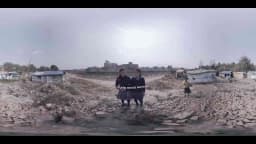
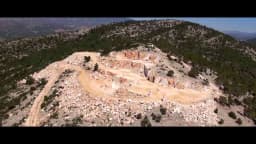
The Amnesty International "Silent Protest" campaign, launched in Poland in 2016, delivers a compelling brand proposition centered on advocating for human rights through the power of peaceful, non-verbal dissent. By positioning silence as a form of protest, the campaign underscores Amnesty International’s commitment to giving voice to the voiceless and highlighting the urgency of human rights issues in a way that transcends language barriers. This silent demonstration symbolizes solidarity with individuals who face oppression yet cannot openly speak out, thereby reinforcing the brand’s role as a protector and amplifier of marginalized voices.
Strategically, the campaign leverages a documentary-style social experiment to engage the Polish public on an emotional and intellectual level. The use of silence serves as a creative angle that captures attention through its stark contrast to typical forms of protest, prompting viewers to reflect on what it means to be unheard. This thoughtful approach reflects an insight into the audience’s capacity for empathy and their potential to recognize the power of subtle, impactful resistance. By focusing on a digital medium and utilizing platforms like YouTube, the campaign aims to reach socially conscious individuals and activists who are likely to resonate with Amnesty International’s mission. The subdued yet provocative nature of the campaign aligns with public service communication norms, encouraging introspection without overt confrontation. Overall, the "Silent Protest" campaign skillfully combines a nuanced creative concept with targeted outreach to deepen public awareness and support for human rights, using silence as a universal language of protest.
FORMAT#3 SYMBOLIZE THE PROBLEM — Uses symbols or analogies to represent the problem instead of showing it literally.
This campaign, titled 'Silent protest' for Amnesty International, most likely uses the act of silence or a non-verbal gesture as a powerful symbol to represent the oppression of free speech or human rights abuses—issues central to Amnesty International’s mission. The genre metadata “Documentary/Social Experiment” and the campaign’s title together suggest a symbolic act rather than a straightforward depiction or literal demonstration. Since this is a public service campaign (not a product-led problem–solution or narrative resolution), and with no indication of testimonials, celebrities, or exaggerated benefits, the strongest creative fit is SYMBOLIZE THE PROBLEM, as the protest itself serves as an analogy for silenced voices and suppressed rights. ADVERTISING FORMATS EXPLAINED: https://www.clapboard.com/blog/branding-and-advertising/brand-strategy/12-advertising-creative-formats
1. Human Rights Watch – Positioned as a rigorous global watchdog, Human Rights Watch emphasizes detailed investigative research and timely reporting to expose human rights abuses, aiming to influence policymakers and mobilize public opinion through reliable, evidence-based advocacy.
2. International Federation for Human Rights (FIDH) – FIDH leverages its broad international network of local partner organizations to amplify grassroots human rights issues, focusing on collaborative advocacy and legal action to strengthen justice systems worldwide.
3. Transparency International – While centered on combating corruption, Transparency International positions itself as a key defender of ethical governance and transparency, linking corruption directly to the violation of human and civil rights in public service.
4. Doctors Without Borders (Médecins Sans Frontières) – Distinguished by its medical humanitarian approach, this organization highlights urgent health crises as a fundamental human rights issue, providing frontline aid and bearing witness to violations in conflict zones and marginalized communities.
5. The International Rescue Committee (IRC) – Positioned as an agile responder to humanitarian crises, IRC focuses on practical support for refugees and displaced persons, coupling emergency relief with long-term empowerment to rebuild safe, just communities.
Q: What is Silent protest about?
A: Silent protest is a professional campaign created by Saatchi & Saatchi for Amnesty International, launched in Poland in 2016. This digital campaign addresses human rights issues through a single, impactful media asset, aiming to provoke thought and raise awareness about the power of peaceful resistance. By leveraging digital platforms, Silent protest engages a broad audience in a contemplative dialogue about standing up for human rights without words. The campaign’s documentary-style approach and evocative imagery underscore Amnesty International’s commitment to advocacy and empathy within the public interest sector.
Q: What creative device does Silent protest use?
A: Silent protest employs the SYMBOLIZE THE PROBLEM technique, as classified by Clapboard’s 12-format taxonomy. Rather than depicting human rights abuses directly, the campaign uses silence and non-verbal gestures as powerful symbols of suppressed voices and the oppression of free speech. This creative approach transforms the act of silent protest into an analogy for those who cannot speak out, inviting viewers to reflect on the broader implications of voicelessness. By relying on symbolism rather than literal representation, the campaign achieves a nuanced and resonant form of communication.
Q: What is the campaign proposition for Silent protest?
A: The campaign proposition for Silent protest centers on advocating for human rights through the power of peaceful, non-verbal dissent. Amnesty International positions silence as a universal language of protest, highlighting its role as a protector and amplifier of marginalized voices. Targeted at socially conscious individuals and activists, the campaign encourages reflection on the urgency of human rights issues and the significance of standing in solidarity with those who cannot speak out. This strategic positioning reinforces Amnesty International’s mission within the public service category, emphasizing empathy and the impact of subtle resistance.
Q: How does Silent protest rank in Clapboard's archive?
A: Silent protest holds a Clapboard Campaign Score of 63/100. This score reflects the campaign’s creative ambition, execution quality, and cultural relevance as evaluated by Clapboard’s global ad archive.
Q: Who are the competitors in Amnesty International's category?
A: In the public service and human rights sector, Amnesty International competes with several key organizations. Human Rights Watch is recognized for its investigative research and advocacy aimed at influencing policy and public opinion. The International Federation for Human Rights (FIDH) leverages a global network for grassroots advocacy and legal action. Transparency International focuses on combating corruption as a fundamental human rights issue, linking ethical governance to civil liberties. Doctors Without Borders addresses urgent health crises as human rights concerns, providing medical aid and bearing witness in conflict zones. The International Rescue Committee responds to humanitarian crises, supporting refugees and rebuilding communities with a focus on long-term empowerment.



.webp)