Ads that dramatize or visually symbolize consumer problems for immediate clarity and emotional impact.
Symbolize the Problem







Nobody's Memories – PFLAG | Clapboard Ad Archive

Symbolize the Problem
Nobody's Memories – PFLAG | Clapboard Ad Archive
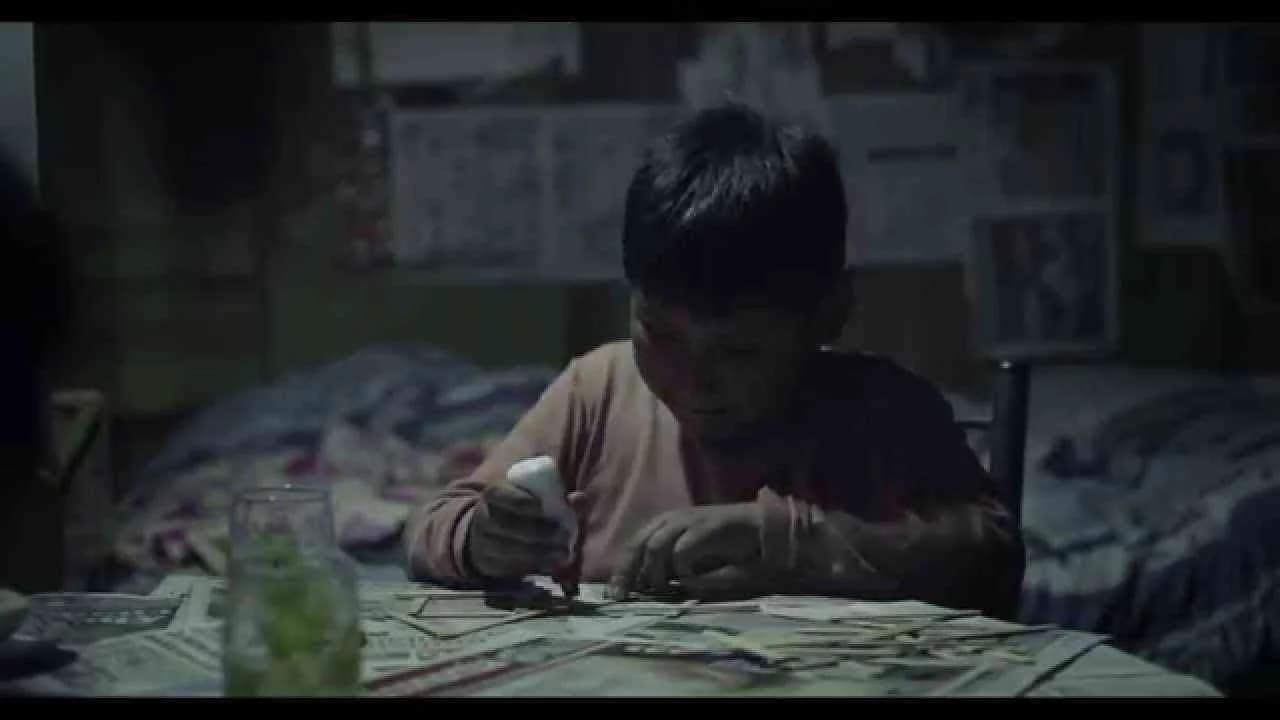
Nobody's Memories is a powerful and emotive film campaign launched in 2015 for PFLAG by the ad agency FCB, aimed at advancing the cause of same-sex marriage equality in the United States. Positioned within the Public Interest sector, this campaign pays tribute to those who were historically denied the legal right to marry as well as to individuals still facing barriers today. It encourages viewers to share their personal love stories, wedding photos, and videos on social media platforms such as Instagram and Twitter using the hashtag #lovemadelegal, fostering a sense of community and activism around marriage equality. The campaign also drives direct engagement through a petition hosted on Change.org, urging people worldwide to support the legalization of same-sex marriage. With a single impactful media asset, Nobody's Memories harnesses the compelling medium of film to evoke empathy and inspire action, successfully capturing public attention with over 138,000 views, more than 1,000 likes, and numerous meaningful comments. By combining emotional storytelling with a clear call to advocacy, this campaign effectively bridges awareness and participation, reinforcing PFLAG’s commitment to equality and inclusivity.
Jackpot
The Jackpot campaign, launched in Mexico in April 2015 for the brand AMIS and developed by the agency Ogilvy, stands as a compelling example of strategic communication within the finance sector. Utilizing a single film medium asset, the campaign effectively captures the attention of its target audience by blending emotional resonance with pertinent financial themes. Through visually engaging storytelling and a focused narrative, the campaign aims to highlight the brand's value proposition while building trust and credibility among potential customers. The creative approach balances informative content with an aspirational tone, encouraging viewers to consider the benefits of AMIS’s financial offerings in a relatable and memorable way. By leveraging the power of film, Jackpot not only enhances brand recall but also fosters a deeper connection between the audience and the brand’s message, positioning AMIS as a reliable choice in the competitive finance industry landscape. This campaign exemplifies how tailored media strategies can elevate brand presence and influence consumer decision-making effectively. { "campaignTitle": "Jackpot", "country": "Mexico", "publishDate": "April 2015", "brand": "AMIS", "agency": "Ogilvy", "medium": "Film", "industry": "Finance", "mediaAssets": 1 }
Late night snack, One night strand, Hippie pinata, Card, ...
In July 2015, Neato Robotics partnered with the creative team at Doner to launch a distinctive film campaign that expertly captures the innovative spirit of the Electronics and Technology industry. This campaign, featuring five unique media assets, leverages compelling storytelling and engaging visual narratives to highlight Neato Robotics’ cutting-edge solutions in home automation. With creative titles such as Late Night Snack, One Night Strand, Hippie Pinata, and Card, the campaign explores various facets of the brand’s identity, blending relatable scenarios with the futuristic appeal of its robotic technology. The campaign’s strategic use of film as a medium allows for an immersive experience, effectively communicating Neato Robotics’ commitment to convenience, efficiency, and smart living. By combining playful and imaginative themes with practical demonstrations, the campaign resonates with tech-savvy consumers and positions Neato Robotics as a leader in the home robotics market. The collaboration with Doner showcases a sophisticated integration of brand storytelling and technology-driven innovation, elevating audience engagement and reinforcing Neato Robotics’ market presence through a visually striking and emotionally appealing marketing initiative.
War
In July 2015, The Human Rights Foundation collaborated with Grey Brasil to launch a powerful digital campaign called "War," aimed at raising awareness about global human rights violations and encouraging individuals to take action against abuses such as censorship and torture. This campaign strategically utilized a single digital media asset to capture attention within the public interest sphere, leveraging creative storytelling to highlight the urgency of protecting human freedoms in vulnerable regions. By combining the expertise of Grey Brasil with HRF’s mission-driven messaging, the campaign fostered a compelling call to action that resonated with viewers, as reflected in its engagement metrics of over 13,800 views, 86 likes, and 10 comments. The multi-platform approach extended beyond the digital asset itself, directing audiences to HRF’s website and social media channels including X (formerly Twitter), Instagram, and LinkedIn, thereby supporting ongoing community building and advocacy efforts. Additionally, the campaign encouraged donations to sustain HRF’s vital work in promoting freedom where it is most at risk. By intertwining creative advertising with a strong public interest agenda, "War" effectively amplified human rights discourse in Brazil and globally, emphasizing individual empowerment and collective responsibility in combating oppression and injustice.
Punch bag
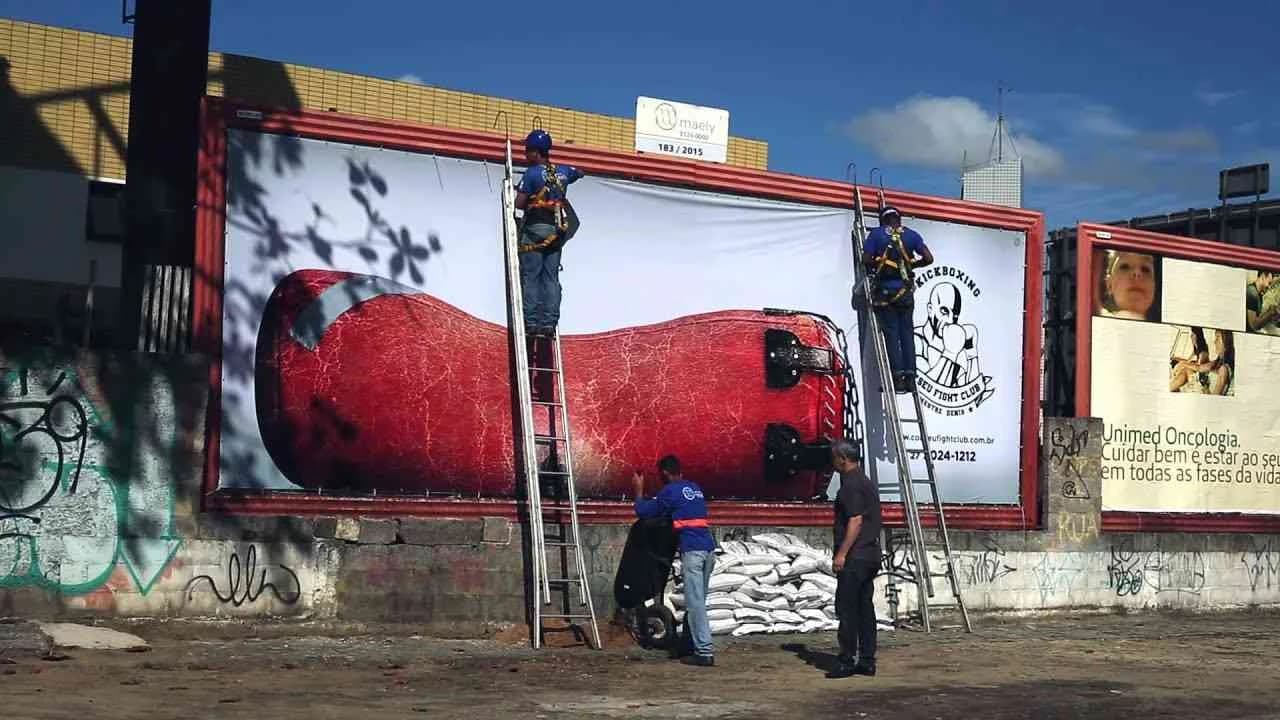
Punch Bag is a compelling outdoor advertising campaign launched in Brazil in July 2015 for the Coliseu Fight Club, developed by the creative agency Danza. Positioned within the Recreation and Leisure industry, this campaign leverages the highly engaging OOH (Out-Of-Home) medium to capture the attention of its target audience in public spaces. The campaign centers around a single, impactful media asset designed to resonate with fight enthusiasts and active individuals seeking an adrenaline-fueled pastime. Through bold visual storytelling and strategic placement, the campaign effectively communicates the brand’s dynamic and energetic identity while inviting consumers to experience the excitement and challenge offered by Coliseu Fight Club. This approach highlights the physical and mental benefits of engaging in combat sports and leisure activities, helping the brand stand out in a competitive market by associating itself with strength, resilience, and social recreation. The creativity embedded in the outdoor format ensures maximum exposure and interaction, motivating audiences to explore the club’s offerings while reinforcing brand recall and loyalty. Overall, Punch Bag exemplifies a targeted and memorable advertising effort that utilizes environmental context and cultural relevance to connect with its audience on a deeper level.
Put yourself in their shoes
Put Yourself In Their Shoes #BringBackOurGirls is a poignant digital campaign launched in Nigeria in 2015 to reignite global and governmental urgency surrounding the abduction of 276 schoolgirls from Chibok by the extremist group Boko Haram. Created for the brand Boko Halal by Noah's Ark Creative, this public interest initiative harnesses emotional storytelling to invoke empathy and advocacy, urging audiences to literally and figuratively put themselves in the shoes of the victims and their families. Despite widespread international attention and hashtag activism led by figures such as Michelle Obama, the campaign highlights that more than 400 days later, the girls remain missing, emphasizing the continued need for heightened governmental action in securing their safe return. Central to the campaign's communication strategy is a single impactful media asset that combines powerful visuals with an evocative original soundtrack by Tinariwen titled "Assuf D Alwa" (Longing And Loneliness), allowing viewers to experience the long-lasting pain and uncertainty endured by the affected community. The creative execution, meticulously crafted with contributions from multiple creative directors, copywriters, and production talents at Underdog Studios, ensures a compelling narrative that balances awareness-raising with a call to action. Though digital metrics such as views, likes, and comments reflect modest engagement, the campaign’s strength lies in its capacity to inspire emotional connection and sustained public dialogue around a critical humanitarian crisis. This effort underscores the role of advertising not only as a tool for brand communication but as a platform for social advocacy, reminding stakeholders that behind statistics are human lives deserving of justice and hope.
Green Toaster
The Green Toaster campaign, launched in South Korea in August 2015 for the brand Gmarket by the ad agency INNORED, presents a creative and impactful approach within the Retail Services industry using Ambient media. This innovative campaign, named the Green Toaster Project, focused on promoting hygienic mobile phone use by introducing a unique concept: sterilizing smartphones in a specially designed "Green Toaster." This clever twist not only captured public attention but also aligned with growing consumer concerns about cleanliness and health in everyday life. With a single media asset, the campaign effectively communicated its core message through engaging visual storytelling that encouraged users to rethink their habits and provided a tangible solution for mobile hygiene. The campaign's language was English, enabling broader accessibility and understanding beyond the domestic market. Garnering over 20,000 views, 26 likes, and sparking conversation with comments, the Green Toaster project leveraged the power of ambient advertising to create meaningful brand engagement and awareness in an often-overlooked aspect of personal care. This campaign creatively positioned Gmarket as an innovative and socially conscious brand that prioritizes consumers' well-being, reinforcing its presence as a forward-thinking leader in retail services. By combining a practical idea with environmental and health-conscious messaging, the Green Toaster campaign successfully bridged product promotion with public service, demonstrating the effectiveness of ambient media to deliver memorable and socially relevant advertising experiences.
Numbers
Launched in 2014 in the Philippines, the campaign titled Numbers was developed by Dentsu for the Philippine Psychiatric Association to drive awareness and urgent action around mental health reform. Through a poignant film medium asset, the campaign posed a compelling question: Do these numbers have the power to move you? It sought to highlight the pressing need for change within the mental health system by encouraging the public to support the Philippine Mental Health Act. The campaign leveraged the emotional weight of statistics to create a sense of immediacy, urging viewers to sign the petition at MHActnow.org and become advocates for mental health rights. With its direct call to action and the hashtag #MHActnow, the campaign was designed not only to inform but to mobilize public support around a critical social issue in the public interest sector. Despite modest views and engagement figures, with 5175 views and 53 likes at the time of reporting, the campaign’s communication strategy centered on clarity, urgency, and community involvement, aiming to shift public perception and influence legislative progress through a simple yet powerful digital platform. The use of English ensured broad accessibility, aligning with the goal of wide-reaching impact within the Philippines and potentially among Filipino communities globally. Through its focused messaging and strategic use of film, Numbers exemplified an effective public interest campaign crafted to inspire dialogue, empower stakeholders, and drive meaningful social change in mental health advocacy.
Approval
The 'Approval' campaign, launched in South Africa in December 2014 for Nissan by TBWA, leveraged the power of film to deeply connect with its automotive audience. This campaign was strategically designed to elevate Nissan’s brand presence by emphasizing themes of trust, reliability, and emotional resonance with car buyers. By focusing on the critical moment of seeking approval—both socially and personally—the campaign tapped into the universal experience of validation that many drivers encounter when making significant automotive decisions. Using a single powerful media asset, the film combined compelling storytelling with visually striking automotive imagery to highlight Nissan’s commitment to quality and innovation. It aimed to position Nissan not just as a vehicle manufacturer but as a trusted partner in the journey of everyday life, appealing to the aspirations and values of South African consumers. With a strong narrative structure and thoughtful execution, the campaign fostered an emotional connection that went beyond product features to touch on deeper human motivations, thereby reinforcing brand loyalty and boosting consumer confidence. The use of film as the medium allowed for dynamic and engaging storytelling that captured attention and conveyed the brand message effectively, contributing to a lasting impression in the highly competitive automotive market. This campaign is a notable example of how strategic marketing communications can blend emotional appeal with brand positioning to create impactful and memorable advertising content for the automotive sector.
Honest Sticker
The Honest Sticker campaign, launched in Brazil in December 2014 for Santa Casa de Misericórdia by JWT, employed an innovative Ambient advertising approach to deliver a powerful message in the Public Interest sector. This campaign creatively utilized a simple yet impactful medium—stickers—to engage the public in a meaningful dialogue about honesty and integrity within healthcare services. By placing these stickers in strategic locations, the campaign aimed to foster transparency and trust between patients and healthcare providers, highlighting the importance of ethical behavior in medical environments. Its design and execution harnessed the everyday interactions of people within the city of Porto Alegre, making the message not only visible but also relatable and thought-provoking. Through this subtle yet effective intervention, Honest Sticker sought to raise awareness about institutional accountability and encourage a culture of openness and responsibility. The campaign's ambient nature allowed it to seamlessly blend into the urban landscape, extending its reach beyond conventional advertising spaces and inviting spontaneous engagement from a diverse audience. With a professional and culturally resonant concept, the campaign resonated with viewers, as reflected in its measured social interactions, including over a thousand views and positive engagement, marking it as a notable contribution to social messaging in the region. Ultimately, Honest Sticker exemplified how creative advertising strategies could drive meaningful conversations and promote public welfare, reinforcing Santa Casa de Misericórdia’s commitment to community trust and healthcare excellence.
Grow up
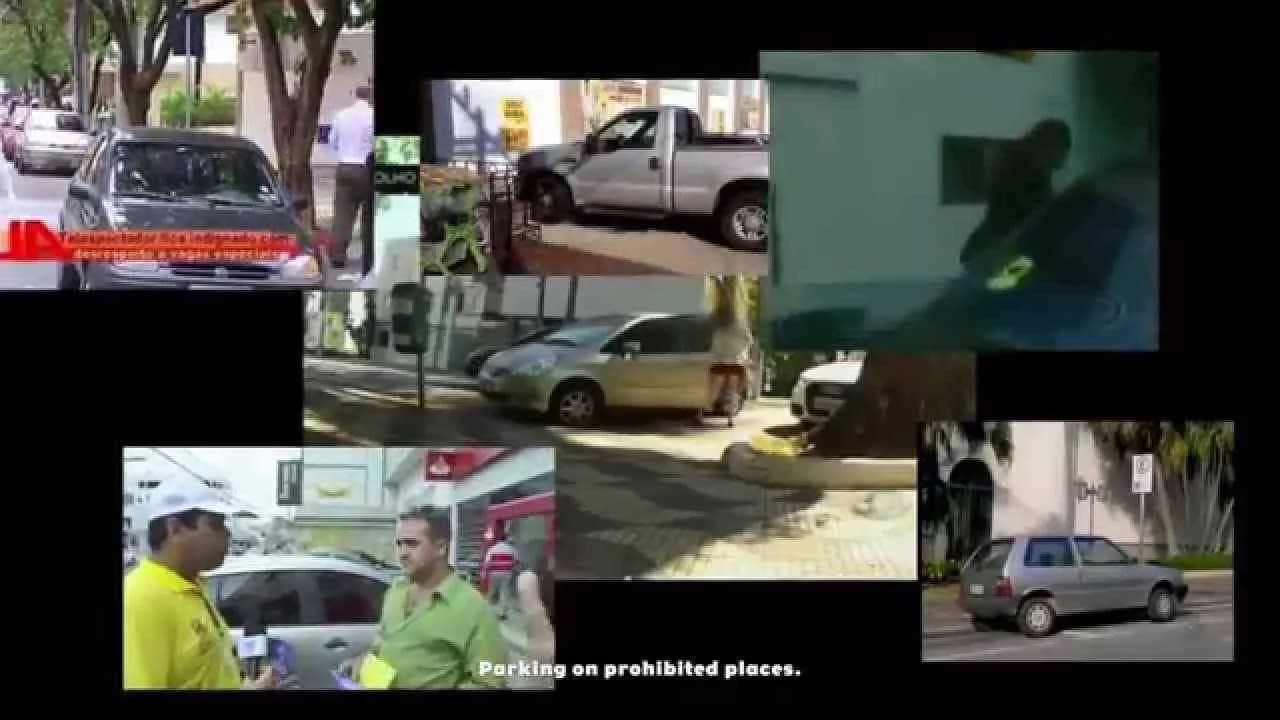
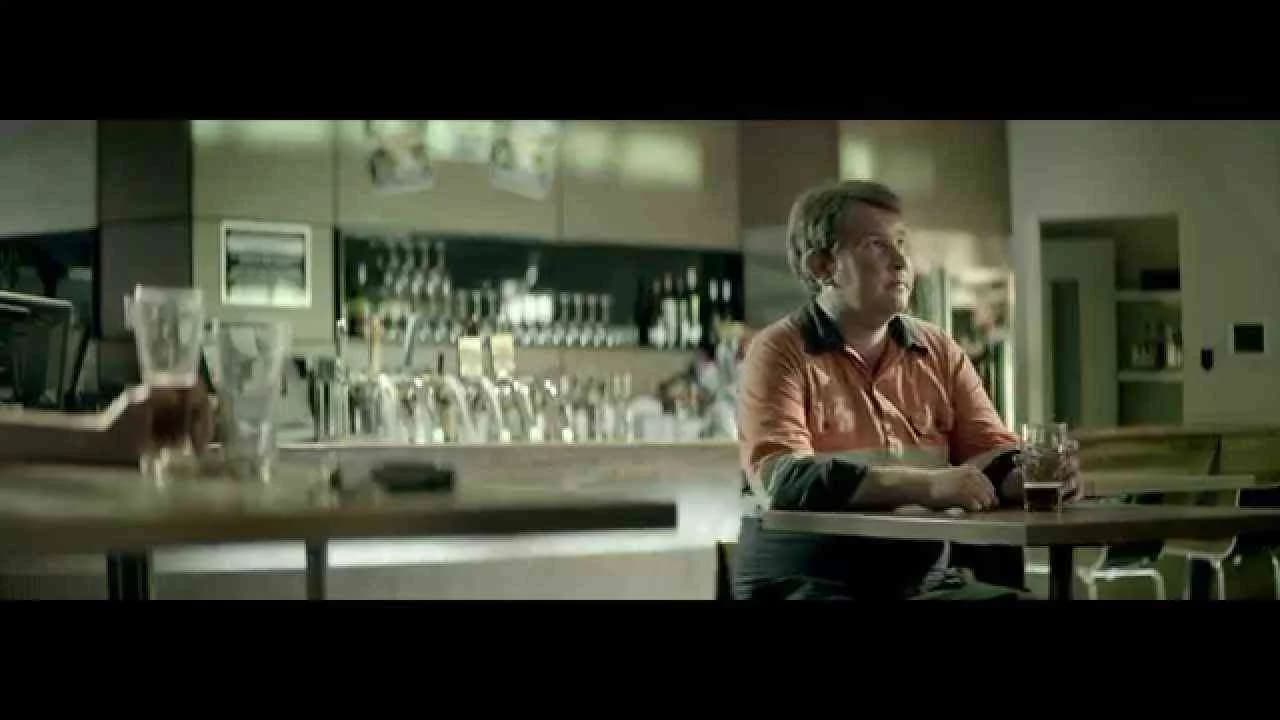
The 2014 campaign Grow Up, developed by BBDO for the Motor Accident Commission of South Australia, presents a compelling public interest message aimed at combating the persistent issue of drink driving. Launched in December in Australia, this film medium campaign addresses the dangerous mentality of those who believe it is acceptable to drink and drive, highlighting the severe risks posed to both the individual and others on the road. Through a straightforward and confrontational call to action, the campaign urges drivers who might be tempted to drink and drive to take responsibility, grow up, and put their car keys away. This approach leverages mature accountability to challenge reckless behavior and promote safer road practices. Garnering over half a million views and generating meaningful engagement with 146 likes, the campaign successfully sparked conversations around road safety and personal responsibility. The clear and direct messaging underscores the importance of changing attitudes towards drink driving, positioning the campaign as a crucial intervention in public health advocacy. By targeting the psychological barriers that enable risky choices, Grow Up encourages behavioral change through social accountability. The campaign’s presence in the film medium amplifies its emotional impact, making the message both memorable and actionable. For more information, viewers were directed to the Motor Accident Commission’s website, further extending the campaign’s reach and providing resources to support safer driving practices. Overall, Grow Up stands as a strong example of effective strategic communication in the public interest sector, combining direct messaging with emotional appeal to foster a safer driving culture in South Australia.
For something to change
For something to change, we need to know about it is a compelling film campaign launched in Peru in October 2014 for the brand La República, created by the ad agency Tribal. Rooted in the Public Interest sector, the campaign aimed to engage the Peruvian audience by highlighting the crucial role of awareness and informed citizenry in driving societal change. Through a powerful narrative and impactful visuals, the campaign underscores that meaningful transformation begins with understanding and acknowledging existing issues. Utilizing the film medium, this single-asset campaign effectively communicates its message to provoke thought and inspire action among viewers. Although the campaign generated moderate engagement with over 3,400 views, 10 likes, and several comments, its core objective was to encourage public discourse and emphasize the importance of staying informed to foster progress. By positioning La República as a trusted source of information and social insight, the campaign successfully aligned the brand with values of transparency, responsibility, and community involvement. This strategic approach not only enhanced La República’s brand identity but also reinforced the crucial connection between media consumption and societal change, advocating for a more informed, aware, and proactive public.
.webp)
Creative Collaboration Platform: The Backbone of Modern Creative WorkWhat is a creative collaboration platform?Clapboard defines a creative collaboration platform as the operational core for today’s distributed creative teams. This is not a collection of digital collaboration tools stitched together; Clapboard’s system

Understanding the Creative Production MarketplaceWhat is a Creative Production Marketplace?Clapboard defines a creative production marketplace as a structured ecosystem where brands, agencies, and production talent converge to execute video, advertising, and branded content at scale. Unlike the legacy agency or freelanREAD FULL ARTICLE
The Urgent Need for a Creative Production Operating SystemWhy Traditional Creative Production Models Break DownClapboard sees the creative production landscape shifting under pressure. Content velocity is no longer a buzzword—it’s a mandate. Modern advertising demands relentless output across dozens of channels, each wREAD FULL ARTICLE