The Clapboard Ad Archive features top government advertising campaigns showcasing effective public service and awareness strategies for campaign references.
Government









The image test - Government of Paraná State | Clapboard Ad Archive
Government
The image test - Government of Paraná State | Clapboard Ad Archive
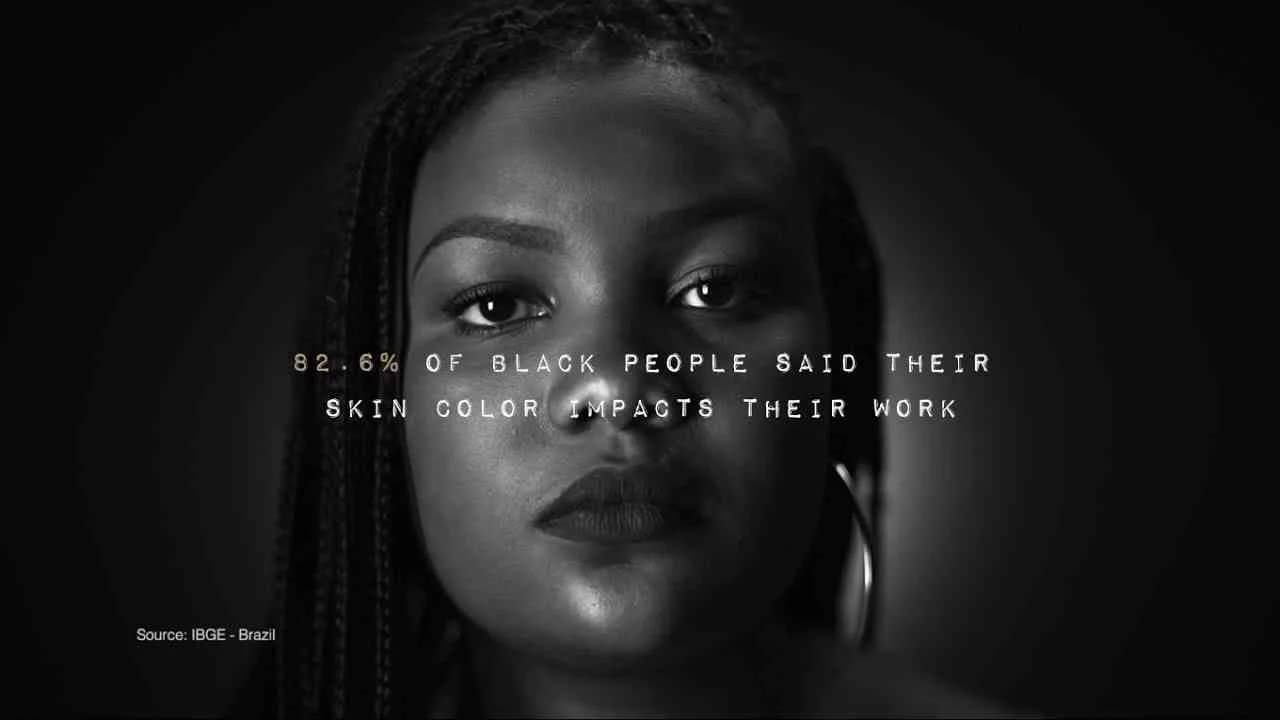
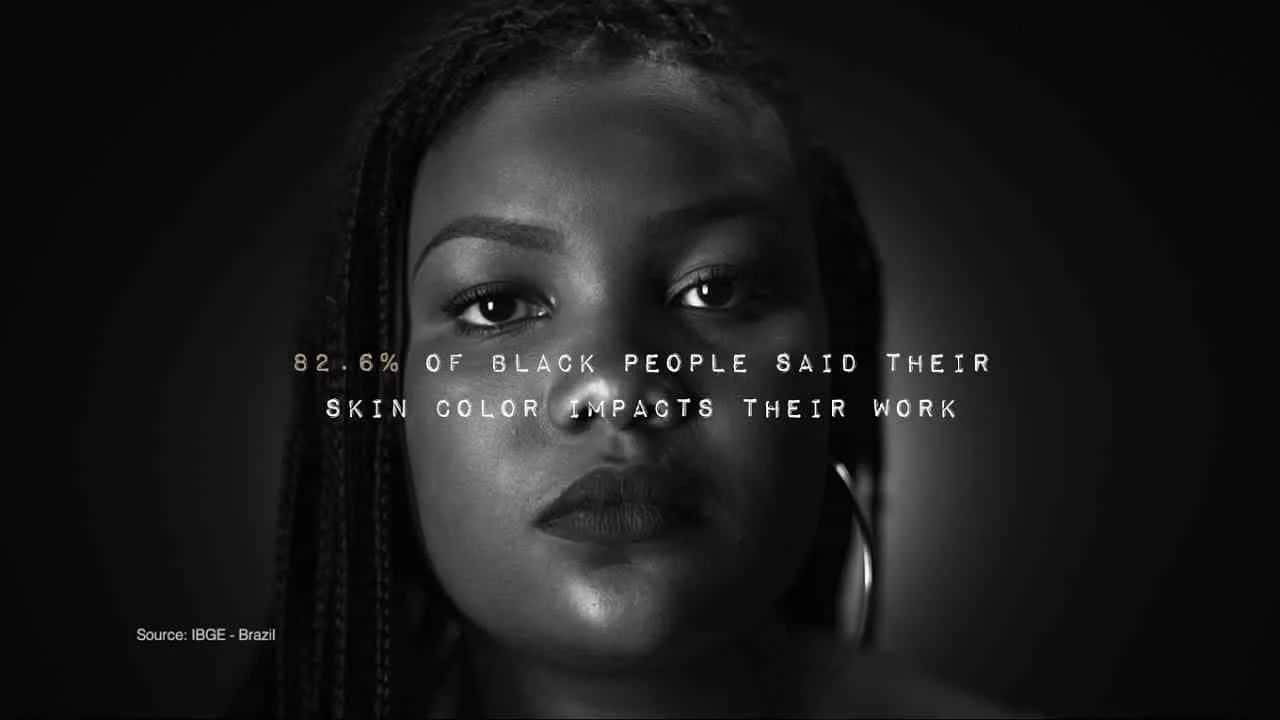
The Image Test campaign by the Government of Paraná State, launched in Brazil in 2017 and conceived by Master for the government market category, delivered a searing examination of racial bias with undeniable clarity and national resonance. Timed with Black Consciousness Day and developed in partnership with racial equality NGOs, the campaign centered on a filmed social experiment in which real human resource professionals were divided into two groups and shown everyday photographs, with only the race of the subjects differing between them. The power of the creative idea lay in its relentless simplicity: both sets of images depicted the same scenarios, yet the reactions from participants were dramatically segregated—white subjects were regarded as successful and trustworthy, while black subjects were swiftly categorized as underemployed or criminal. This unfiltered exposure of unconscious bias functioned as living proof of the issue's pervasiveness, aligning with what Clapboard's taxonomy classifies as FORMAT#1 Demonstration—an approach that leverages observable, real-world results to dramatize a problem and mobilize conversation without mediation or narrative framing. The campaign’s viral video ignited public debate at scale, amassing over 15 million views and 400,000 Facebook shares in 24 hours, and fueled major newspaper and television coverage across Brazil. By forgoing staged messaging in favor of unscripted experiment, the Government of Paraná State and Master placed institutional discrimination under a national microscope, holding up a mirror to the hiring practices and embedded prejudices of an entire society. The campaign earns 79/100 in Clapboard’s global creative archive. In a category often defined by generic awareness drives and institution-first messaging, The Image Test signals the enduring power of direct evidence and social demonstration to shift collective consciousness and force a cultural reckoning.
Friends - Experian | Clapboard Ad Archive
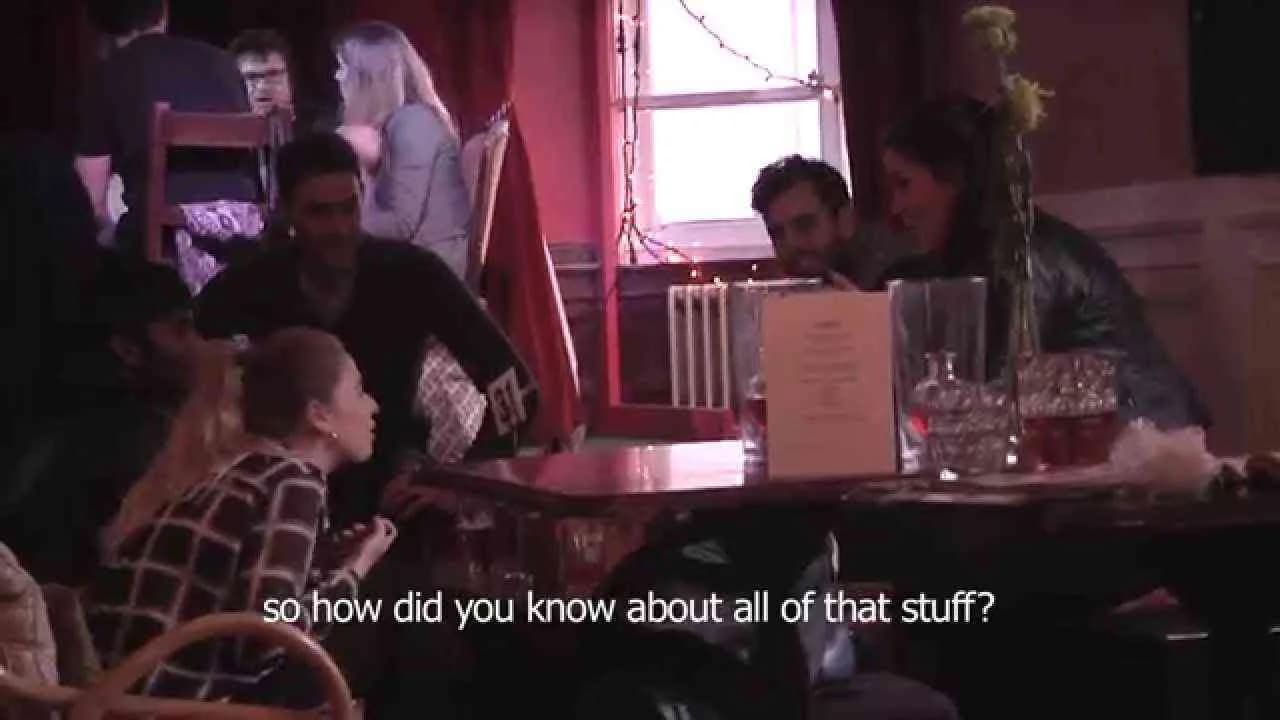
Experian’s Friends campaign, launched in the United Kingdom in 2014 by Abundance for the government-affiliated Public Interest sector, deploys a sharply conceived social experiment to dramatise the realities of identity fraud in an era of rampant digital oversharing. At its core, the campaign stages an encounter in a typical bar where five strangers are approached and convincingly addressed as old friends by actors armed solely with information mined from the individuals’ publicly accessible online profiles, exposing the startling ease with which personal data can be weaponised for deception. Central to the execution is a compelling video asset that immerses viewers in the discomfort and uncertainty of the experiment, using direct interaction to raise anxiety about online vulnerability while sharpening the need for proactive data security. What Clapboard’s taxonomy would classify as FORMAT#1—Demonstration, the work eschews metaphor and narrative drama in favour of a candid, immediacy-driven reality format that lets the effectiveness of the ruse speak for itself and, in doing so, communicates the tangible threat that Experian’s identity protection platform is designed to counter. The campaign’s integration of live action with digital call-to-action—steering audiences to both Experian’s dedicated identity protection site and The People’s ID Bot Project community on Facebook—creates a seamless bridge from awareness to engagement, encouraging viewers not only to evaluate their personal risk but also to participate in collective efforts to fight identity fraud across Britain. Achieving over 270,000 views on its primary video asset, Friends catalysed significant public conversation around the issue, reinforcing Experian’s positioning as both advocate and authority within the identity protection space. The campaign earns 73/100 in Clapboard’s global creative archive. Friends signals a new level of realism for public interest advertising in the digital age, where harnessing the social experiment format serves not only as proof of the issue but as an unforgettable invitation for audiences to question their own online behaviours.
Sound only - Croacia | Clapboard Ad Archive
Croacia and Loducca’s 2014 campaign Sound only for the professional services category takes a singularly focused approach to brand demonstration, harnessing immersive web audio to put Croacia’s sonic credentials front and centre in a manner that bypasses every conventional crutch of visual advertising. At the heart of this digital initiative is a Chrome Experiment at croaciaaudio.com, built explicitly to showcase what happens when the limits of professional audio craft are explored using nothing but the dimensionality and emotionality of sound. With Derrick Green’s distinctive voice anchoring the experience, the work fuses musical authority with brand storytelling, making a confident play for a culturally literate audience whose definition of production value and authenticity is increasingly experiential rather than literal. While many in the professional services and government sector still rely on narrative scripts or heavy visual metaphors, Croacia’s digital demonstration eschews these tropes in favor of pure engagement: visitors are enveloped in Portuguese-language audio design, invited to judge the brand’s technical prowess unvarnished by accompanying images or traditional campaign structure. This tactic sits precisely within what Clapboard’s taxonomy would classify as FORMAT#1 Demonstration — Directly shows how a product works and highlights its benefits — not through an explanatory narrative but by orchestrating an encounter with the core offering itself. Launching in a Brazilian market attuned to both musical innovation and the rise of digital experimentation, the campaign leverages its singular media asset for focused, immersive impact, aligning brand relevance with the increasingly digital habits of decision-makers and creative professionals. The clarity of execution, combined with the agency’s refusal to dilute Croacia’s value proposition with extraneous content, positions the campaign as a reference point for how digital platforms can be used to dramatize category expertise and emotional resonance. Clapboard rates this 71/100. In a sector still searching for new paradigms of differentiation, Croacia Audio signals that immersive, format-driven experimentation can carve unique yet credible ground for brands willing to trust the power of experience as message.
Wanted app - NYPD | Clapboard Ad Archive
Wanted by NYPD, a digital campaign conceived by Miami Ad School in Germany in 2013 for the professional services market category, delivers a focused response to the escalating issue of smartphone theft by positioning the NYPD as a proactive innovator in urban safety. Developed as a student initiative, the work introduces a virtual phone-cop app that integrates directly into users’ social networks, seamlessly mobilizing a collaborative defense network between law enforcement and civilians. The idea roots itself firmly in a problem–solution approach — what Clapboard’s taxonomy would define as FORMAT#2—Show the Problem — spotlighting the vulnerability of personal tech in urban environments before presenting an actionable platform as remedy. As digital communication increasingly mediates both risk and response, the concept leverages the inherent virality and immediacy of social sharing to expand the NYPD’s role beyond conventional policing, reframing it as both enabler and aggregator of public vigilance. The campaign’s creative narrative is executed with clarity and restraint, forgoing dramatic storytelling in favor of a direct, solution-oriented presentation that mirrors the mindset and expectations of a digital-native audience. By aligning the language and UX of the Wanted app with familiar social network behaviors, the campaign lowers adoption barriers and primes peer-to-peer advocacy, while its digital medium ensures adaptability across devices and platforms. Miami Ad School’s agency approach demonstrates an awareness of both functional tech trends and the communicative power of digital communities, which is further validated by recognition from cross-industry platforms including The Huffington Post and Fubiz.com. The campaign earns 63/100 in Clapboard's global creative archive. As urban crime and technology become ever more entwined, Wanted signals that brand-led public service solutions can amplify institutional reach and reposition law enforcement within a networked, participatory model of community safety.
Dear 2030 - Engineers Geoscientists Manitoba | Clapboard Ad Archive
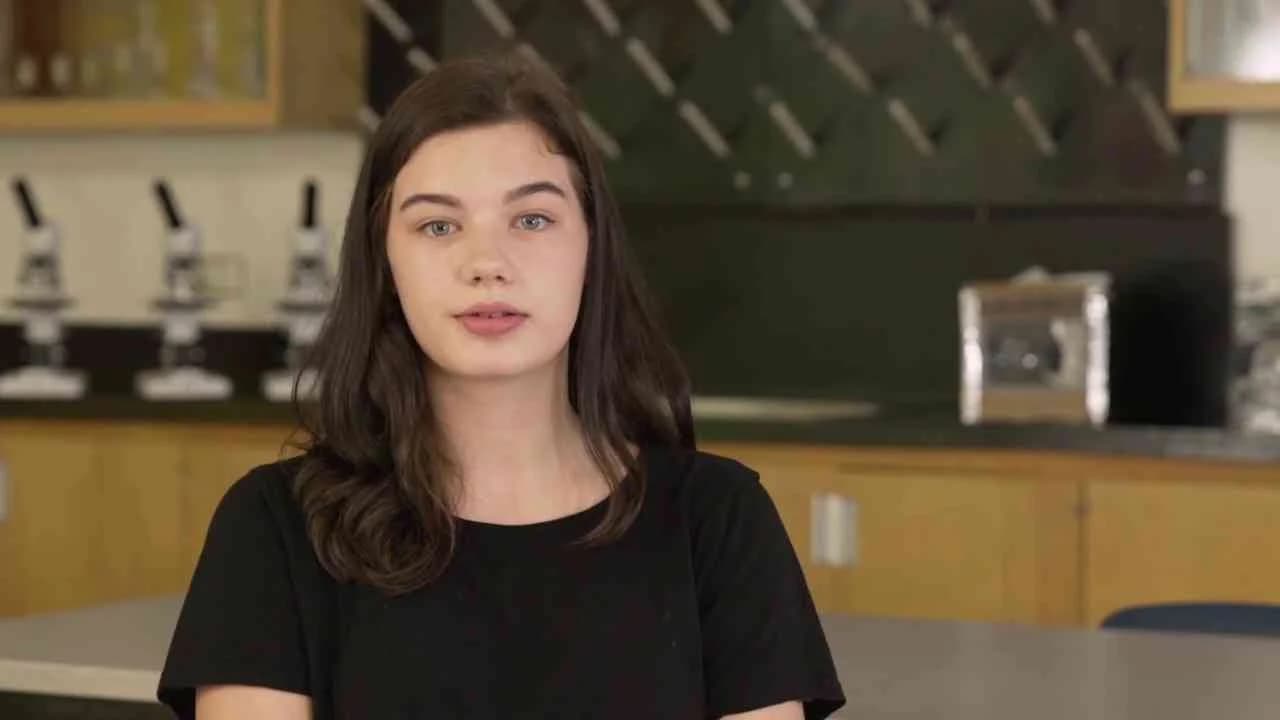
Dear 2030, engineered by Juliet for Engineers Geoscientists Manitoba and launched in Canada in Year 2018, delivers a decisive intervention into the education market category with its unvarnished assessment of gender imbalance in engineering, spotlighting the stark reality that only 21 percent of newly licensed engineers in Manitoba were women at the time. This campaign is grounded in the grassroots activism of Manitoba’s school students, who coordinated across 354 schools to collect thousands of signatures in spring 2018, collectively urging the province’s largest engineering employers to commit to a very specific, ambitions, and achievable goal: that by 2030, at least 30 percent of newly licensed engineers should be women. Instead of positioning the institution or employer as the default change agent, the campaign anchors its creative idea in youth-led advocacy, leveraging student voices as relatable and aspirational figures, which Clapboard’s taxonomy would classify as FORMAT#10—Associated User Imagery. By centering the unfiltered perspectives and unity of student activists, Juliet resists the temptation to over-dramatize or mythologize the problem with slick production—instead, viewers are pulled into authentic scenes of participation, urgency, and peer-driven accountability. The narrative makes a strategic leap from awareness-raising to collective activation, framing the simple act of petitioning not merely as a symbolic gesture but as a credible pressure point for industry and community leaders alike to rethink and reset their commitments to gender diversity and inclusion. The film’s messaging smartly weaves together the facts of the moment with a call to action that’s both practical and forward-faced, encouraging viewers not to regard the 30 by 30 target as abstract policy but as a tangible, measurable, and community-owned goal. This positioning resonates throughout the broader education sector and offers a blueprint for bridging the gap between classroom learning and systemic change—showing that inclusivity initiatives gain real momentum when power and agency are transferred directly to those who will live with tomorrow’s outcomes. By mobilizing students as both narrators and protagonists, and by tying the success of the campaign to sustained industry action and public accountability, Dear 2030 for Engineers Geoscientists Manitoba demonstrates a discipline and clarity rarely found in cause-led communications within the government and education space. Clapboard rates this 64/100. If the industry is serious about aligning its future with the values of equity and technical excellence, Dear 2030 affirms the significance of designing campaigns where the call for change is voiced by—and accountable to—the next generation.
When smoking does not kill - Government of Paraná State | Clapboard Ad Archive
When smoking does not kill, launched in Brazil in 2015 by OpusMultipla for the Government of Paraná State, reframes the anti-smoking narrative through a digital campaign designed for maximum resonance within the public interest and government communications sector. Departing from tired literal tropes, the campaign leverages the full symbolic power of what Clapboard’s taxonomy designates FORMAT#3—Symbolize the Problem, constructing its message around a striking hypothetical: a world in which smoking does not lead to death, yet catastrophic consequences linger in the shadows. This inversion unlocks space for a more nuanced commentary on the insidiousness of tobacco, as the campaign draws audiences into a documentary-style experiment that leverages analogy and metaphor rather than direct didacticism, subverting expectations to force reflection on those dangers we take for granted. The creative decision to deploy a single but potent digital asset exemplifies a tight, focused media strategy attuned to contemporary consumption patterns, capturing attention across Brazil’s deeply varied demographics while sustaining the tension and gravity necessary to disrupt public complacency. OpusMultipla’s approach illustrates a sophisticated understanding of symbolic storytelling in the digital era, using visual cues, narrative pacing, and social experiment tropes to anchor the hazards of smoking in a broader public health and environmental discourse—moving beyond mortality statistics to surface subtler dimensions of harm. The campaign’s effectiveness lies not simply in its imaginative premise but in its ability to position the Government of Paraná State as a forward-thinking advocate, weaving government authority into a poignant, culturally relevant warning against the inertia of habit. Every element, from production design to messaging cadence, conspires to insert the issue into Brazil’s digital consciousness with an urgency that feels less like institutional lecturing and more like an invitation to witness the consequences we might otherwise ignore. That the campaign contains only one media asset is not a limitation but a deliberate editorial choice, concentrating the full weight of the concept into a singular, inescapable digital moment that commands both attention and introspection. Clapboard rates this 63/100. The campaign signals to industry and government communicators that symbolic storytelling—when sharpened to a conceptual edge—can cut through public apathy more powerfully than data or shock alone.
Project Architeuthis - U.S. Navy | Clapboard Ad Archive
Project Architeuthis, developed by the U.S. Navy in collaboration with Lowe and launched in the Government market category in 2015, stands as a benchmark in digital recruitment campaigns by transforming the Navy’s search for cryptology talent into a pop-culture-inflected game narrative. The campaign, activated via the Navy’s Cryptology & Technology Facebook page, challenged participants over 18 days to solve a series of immersive cryptographic puzzles embedded in the conspiracy-rich fiction of a top-secret defense initiative, Operation Sleeper Shark, with every clue and gameplay mechanic deliberately engineered to attract—and filter for—the highly analytical, puzzle-obsessed minds the Navy seeks for its cryptology ranks. Instead of following the linear arc common to military recruitment, Lowe reframed the Navy’s messaging through what Clapboard’s taxonomy identifies as FORMAT#12—Parody or Borrowed Format—tapping into the tropes and narrative devices popularized by espionage films, hacker subculture, and military thrillers and, in doing so, lending Navy service an aura of intrigue akin to a prestige series or blockbuster game. Engagement was heightened by integrating real-time interaction on Facebook, marking a departure from static recruitment ads and demonstrating a shrewd understanding that potential recruits want not just to be spoken to, but to be challenged and recognized for skill. The digital-first tactic positioned cryptology not as an abstract or esoteric vocation but as a living, urgent pursuit—reinforced by the campaign’s single, well-deployed media asset designed for social virality and maximum time-in-experience. As a result, the Navy extended its reach into fresh digital terrain, spotlighting its technological prowess and progressive approach amid increasing competition for technical talent across both public and private sectors. By merging the entertainment logic of games with recruitment, the campaign expanded the Navy’s pipeline beyond traditional channels, updating the conversation around military service for a new generation attuned to interactivity and narrative complexity. The campaign earns 74/100 in Clapboard’s global creative archive. Project Architeuthis is significant because it demonstrates that even in highly traditional government contexts, inventive storytelling and borrowed genre formats can redefine how organizations invite and identify the talent that drives their future.
Date Night Halifax - Downtown Halifax Business Commission | Clapboard Ad Archive
Date Night Halifax, launched in 2015 by the Downtown Halifax Business Commission with creative by Extreme Group, is a sharply focused campaign inviting audiences to reimagine the city as the definitive destination for romantic nights out, taking aim at the often-overlooked frustration of planning memorable dates. Targeting young professionals and couples within the Professional Services sector, the campaign leverages a simple but resonant insight — that while finding the right partner may be tough, everything about orchestrating a remarkable evening in Downtown Halifax is refreshingly easy. This core message is brought to life through an approachable film execution, which underscores the vibrant mix of dining, entertainment, and ambience available downtown and positions the district as a turnkey solution for couples seeking quality time together. The storytelling adheres closely to what Clapboard’s taxonomy would classify as FORMAT#2—Show the Problem, setting up a relatable scenario that taps directly into the audience’s lived reality before resolving the tension with a clear, actionable invitation to visit downtownhalifax.ca for curated date night inspiration. Eschewing exaggeration, testimonials, or borrowed comedic formats, the film maintains an earnest, subtly self-effacing tone that builds empathy and ultimately redirects the perceived challenge of date planning away from the environment and onto the universal dilemma of making meaningful connections. With over 144,000 views, the campaign achieved strong audience engagement and established Downtown Halifax as an accessible, aspirational backdrop for social and romantic connection. Through a blend of sharp behavioral insight and strategic digital activation, Date Night Halifax expanded its relevance beyond traditional professional services marketing and provided a compelling platform for local businesses to benefit from increased patronage. The campaign earns 63/100 in Clapboard’s global creative archive. This work matters for the industry because it demonstrates how a hyper-local government initiative can apply commercially driven, insight-led thinking to shift perceptions and behaviors in a crowded urban experiences category.
People You May Know - The Ministry of Internal Affairs of the Republic of Belarus | Clapboard Ad Archive
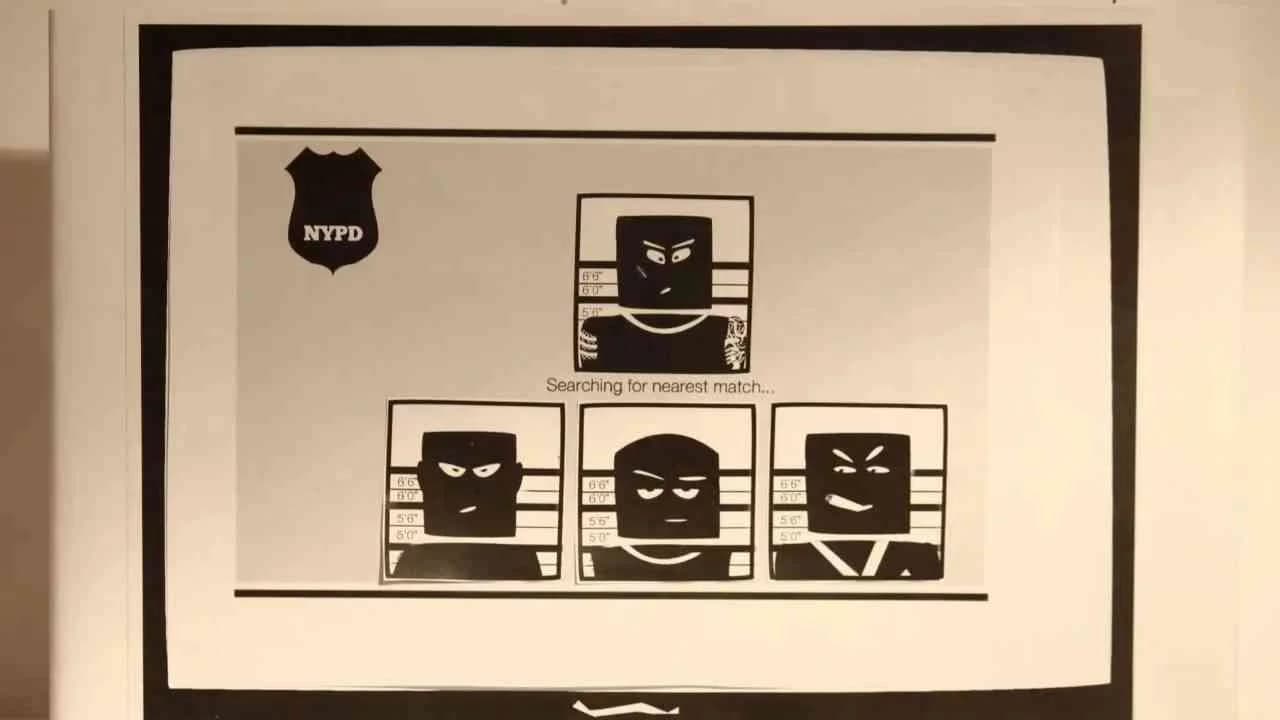
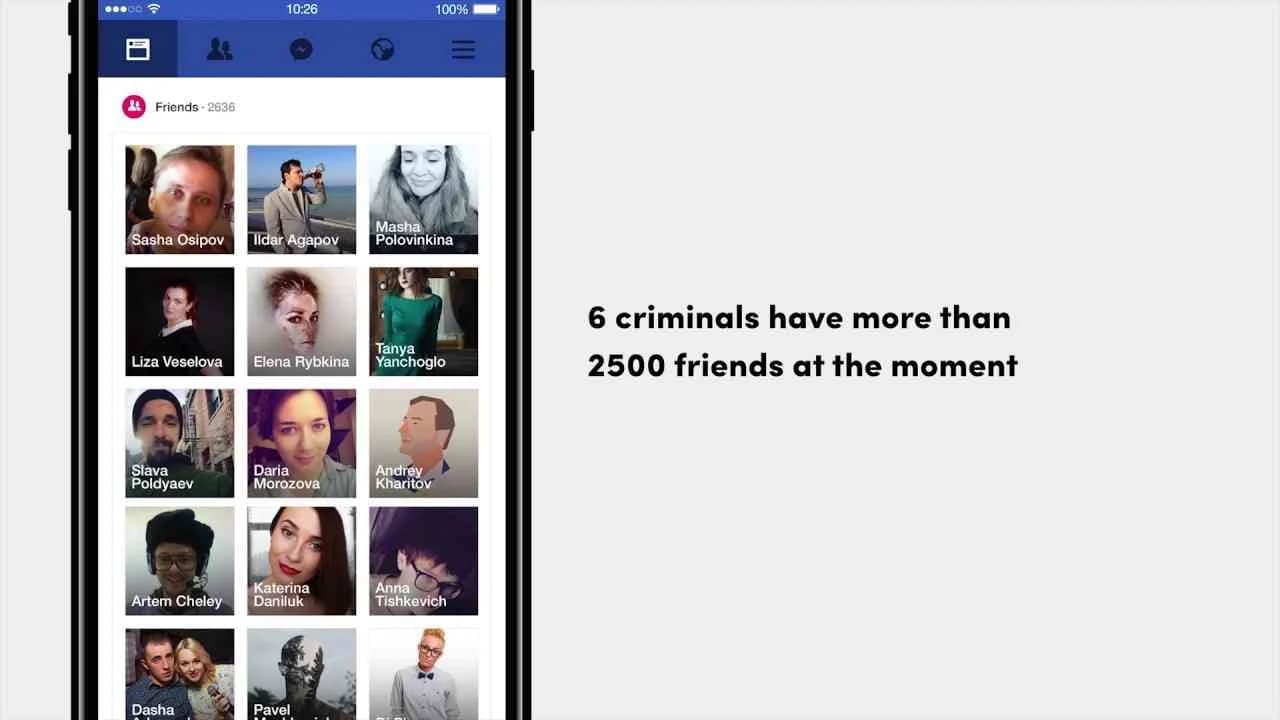
People You May Know, developed by the Ministry of Internal Affairs of the Republic of Belarus and TDI Group in 2017, stands as a direct demonstration of how digital tools can be weaponized for public safety within the government market category. Faced with the challenge of apprehending approximately 5,000 criminals whose identikits were too indistinct to attract attention, the campaign seized on Facebook’s People You May Know algorithm — a product typically purposed for expanding social networks — and subverted it into a crowd-sourced criminal search mechanism. By generating six Facebook profiles using these criminals’ details and integrating them into the algorithm, the campaign effectively infiltrated the digital daily lives of over two million Belarusians, placing the faces of wanted individuals in front of potential acquaintances and witnesses through the organic engagement of mutual connections. What Clapboard's taxonomy would classify as FORMAT#1 Demonstration, this work anchors its creative technique in transparency and functional proof, explicitly tracing the journey from strategy to impact: the identikit profiles were noticed, public consciousness shot upward, and, crucially, within months, one high-profile fugitive, Vitaliy Shukan, was apprehended as a direct result of the project. The Ministry's swift adoption of the approach as a standard investigative tool underscores its success and signals a pivotal shift in law enforcement’s relationship with social media technologies. With amplification driven by the mass behavioral pattern of Facebook users rather than paid reach, the campaign harnessed the scale, speed, and subtlety of the platform to bridge operational gaps in traditional policing, transforming passive digital infrastructure into an active apparatus for justice. Clapboard rates this 78/100. By successfully converging crowdsourcing, digital ingenuity, and public institution objectives, People You May Know raises the bar for government sector campaigns by proving that smart use of mainstream algorithms can unlock wholly new dimensions in public safety.
Finn - YIT | Clapboard Ad Archive
YIT’s Finn campaign, launched in Russia in 2017 by Media Storm, leverages the instantly recognizable persona of Finnish actor Ville Haapasalo to crystallize the brand’s ethos as a resolutely Finnish real estate developer unwavering in its cultural identity even while operating abroad. The work draws its creative energy from a series of humorous everyday vignettes in which Haapasalo embodies the quintessential Finn, fiercely loyal to Finnish comfort, nature, and sport regardless of his surroundings, and in so doing, signals YIT’s own commitment to these national values within the Russian context. Rather than following a conventional storytelling structure, the campaign employs a sequence of standalone scenarios that each reinforce the persistent presence of Finnish traditions, making the corporate narrative feel effortlessly authentic and deeply human. Media Storm’s approach understands that in the professional services and government-adjacent real estate market, brand differentiation often hinges on authenticity and trust, and here, YIT’s unyielding attachment to its origins becomes a powerful proof point for Russian consumers and institutional buyers alike. Haapasalo’s comedic timing and status as a cultural touchstone not only drive brand recall but also inject the brand with accessibility and warmth, countering the generic image often associated with international developers. According to Clapboard’s taxonomy, this strategy sits squarely in FORMAT#8—Ongoing Characters or Celebrities, with recurring appearances by a known figure designed to imprint YIT’s brand character and values in the collective memory of the audience. The production maintains a playful yet deliberate tone, ensuring that each episode delivers its message with clarity while entertaining domestic Russian viewers and appealing to the cross-border sensibilities of Finns abroad. The result is a campaign that uses cultural pride as both narrative fabric and strategic differentiator, contextualizing YIT as a company for whom heritage is not a veneer but a lived, everyday discipline, even in new markets. The campaign earns 57/100 in Clapboard’s global creative archive. This campaign matters because it demonstrates that in a commoditized category like real estate development, humor and unapologetic cultural specificity can foster brand affinity and reinforce a company’s credibility far outside its home borders.
Online You - Phishing, Online You - Shopping, Online You ... - Royal Mail | Clapboard Ad Archive
Royal Mail’s 2017 campaign, created in partnership with M&C Saatchi for the United Kingdom market, delivers a direct and unsettling look at the consequences of everyday digital actions by translating them into real-world analogues, effectively bridging the abstract risks of online behavior with tangible scenarios that any consumer could recognize. Structured as a series of short films under the conceptual umbrella Online You—Phishing, Online You—Shopping, Online You—, the campaign zeroes in on threats like phishing scams and fraudulent online shopping, showing how these seemingly mundane interactions can have immediate, life-altering outcomes when reframed in physical settings. With an explicit focus on demonstration—a technique that, in Clapboard’s taxonomy, falls under FORMAT#1 Demonstration—the campaign bypasses dramatization, character testimonials, or metaphorical treatment, and instead reconstructs scenarios to directly illustrate how identity theft or fraud can play out, rendering invisible digital dangers accessible and pressing to a mass audience. By taking an everyday email click or casual e-commerce transaction and mapping it onto face-to-face exchanges, the work makes the risks feel personal, immediate, and unmistakably real, which powerfully supports Royal Mail’s ongoing efforts to position itself as a trusted public protector amidst rising concerns around cybercrime and online vulnerability. The link to the Royal Mail ID Fraud Centre, prominently featured in the phishing installment, underscores a commitment to actionable advice and customer support, anchoring the educational impulse of the work within the broader context of public service. This clarity of message, targeted deployment in authentic British English, and avoidance of technical jargon opens the work to an audience beyond early adopters or the technically savvy, deepening its potential impact across demographic lines—hallmarks of a campaign aimed at mass awareness rather than niche engagement. Clapboard rates this campaign 67/100. At a moment when the boundaries between digital and physical risk are blurring, this effort stands as a model for turning abstract online threats into urgent, viscerally comprehensible calls to action for audiences across the government and professional services categories.
The Future-Booth - The Norwegian Education Department | Clapboard Ad Archive
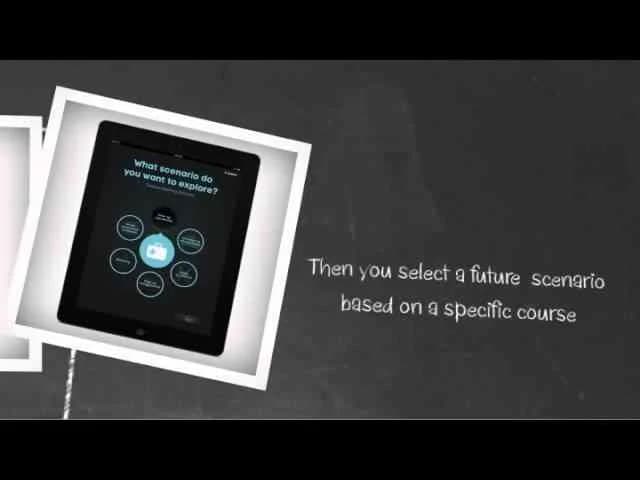
The Future-Booth, created by Apt for The Norwegian Education Department in 2012, reimagined youth career outreach within the government market category with a strikingly immersive installation that placed the potential impact of educational choices directly in visitors’ hands. Staged as a pair of interactive photo booths, the experience used technology not for spectacle but as a tool for connection, combining iPads, sound theatre, green screen photography, and on-the-spot printing to make the abstraction of future planning palpably real. Upon entering, participants were prompted to select educational interests before being transported through a sound theatre narrative that conjured vivid scenes from possible futures—intimate, emotionally resonant audio journeys that personalized the otherwise impersonal nature of state-mandated career counseling. The iPad discreetly photographed each participant against a green screen at the journey’s outset, inserting their image into the story and underscoring the campaign’s central promise: every educational choice could meaningfully alter your trajectory. Completing the experience, the booth delivered a tangible artifact—a postcard printed on-site, depicting the participant embedded within a visual representation of their imagined future and inviting them to reflect on the transformative power of education. This device did not merely illustrate possibilities but symbolically enacted them, positioning education as the seed of future identity and achievement—a move that aligns squarely with what Clapboard’s taxonomy defines as FORMAT#9—Symbolize the Benefit. Operating outside conventional awareness or recruitment channels, the campaign leveraged ambient media to transform a fleeting installation moment into a memorable personal message, reinforcing the Norwegian Education Department’s stature as a forward-thinking brand in education policy communication. The campaign earns 68/100 in Clapboard’s global creative archive. The Future-Booth is worth industry attention because it points to the unique role immersive, participatory design can play in raising the stakes of public sector messaging when the benefit at issue—here, the shape of a young person’s life—is both symbolic and deeply personal.
FAQs for the Playlist: Government■
Top questions to this curated campaign playlist
Professionals analyze government campaigns to understand how messaging balances public service goals with audience engagement. These references reveal effective narrative structures, tone, and media choices that drive behavior change, helping strategists craft campaigns that resonate with diverse publics while meeting policy objectives—archived in Clapboard's global ad archive.
Government advertising history offers insight into how societal values, communication norms, and regulatory environments evolve. Understanding this context helps strategists anticipate public response, align messaging with cultural shifts, and avoid pitfalls, making campaigns more credible and impactful in complex public domains.
Government campaigns differ significantly due to cultural norms, political climates, and media landscapes. Earlier eras often favored formal, authoritative tones, while recent work tends toward inclusivity and emotional appeal. Geographic differences reflect local policy priorities and audience sensitivities, requiring tailored creative approaches.
Many assume government ads prioritize information over creativity, but the most effective campaigns integrate compelling storytelling and design to motivate action. Creativity is essential to cut through public skepticism and media clutter, proving that craft and strategy are equally critical in this sector.
Examining landmark campaigns sharpens your ability to navigate complex stakeholder demands and communicate clear, persuasive messages under constraints. This deepens your understanding of how to blend policy goals with audience psychology, improving your capacity to lead impactful, socially responsible creative work—archived in Clapboard's global ad archive.
.webp)
Creative Collaboration Platform: The Backbone of Modern Creative WorkWhat is a creative collaboration platform?Clapboard defines a creative collaboration platform as the operational core for today’s distributed creative teams. This is not a collection of digital collaboration tools stitched together; Clapboard’s system

Understanding the Creative Production MarketplaceWhat is a Creative Production Marketplace?Clapboard defines a creative production marketplace as a structured ecosystem where brands, agencies, and production talent converge to execute video, advertising, and branded content at scale. Unlike the legacy agency or freelanREAD FULL ARTICLE
The Urgent Need for a Creative Production Operating SystemWhy Traditional Creative Production Models Break DownClapboard sees the creative production landscape shifting under pressure. Content velocity is no longer a buzzword—it’s a mandate. Modern advertising demands relentless output across dozens of channels, each wREAD FULL ARTICLE