Immersive brand experiences and innovative campaigns showcase the best experiential advertising in The Clapboard Ad Archive for creative reference.
Experiential





Fenty Beauty by Rihanna - Spain Launch

Experiential
Fenty Beauty by Rihanna - Spain Launch
Fenty Beauty by Rihanna’s Spain launch brought an unprecedented experiential marketing event to life in October 2017, captivating audiences with a groundbreaking live immersive experience. Orchestrated by Wildbytes, this campaign transformed Madrid’s iconic Callao Square into an electrifying playground where Rihanna’s dedicated fans and influential figures collaborated in real-time to create a high-end beauty film. Leveraging cutting-edge technology, Wildbytes crafted a multisensorial environment that seamlessly blended fashion, beauty, and innovation, offering guests an unforgettable sensory journey. The event attracted a vibrant array of Spanish influencers and celebrities, including Prince Pelayo, Jasmine Roldán, and Natalia de Molina, among others, amplifying the campaign’s reach and authenticity. Highlighted by moments such as Rihanna riding a Match Stix unicorn and swinging from a Gloss Bomb-shaped swing, the launch video captured the playful yet luxe spirit of Fenty Beauty. This pioneering approach to experiential marketing ignited massive social media engagement, generating an astounding 1.1 billion impressions, propelling the brand into the spotlight and setting new standards for immersive beauty campaigns. Presented in Spanish with a collaborative, guest-driven video, the campaign successfully fused community participation with bold, artistic visuals, reflecting Rihanna’s innovative vision for inclusivity and creativity in beauty. By blending real-time user interaction with high-impact digital storytelling, the Fenty Beauty Spain launch exemplified how experiential media can forge emotional connections, drive brand excitement, and amplify cultural moments on a global scale. This campaign not only elevated the brand’s presence in the beauty industry but also demonstrated the power of immersive technology and social collaboration as catalysts for impactful marketing narratives.
GoalKeepers
GoalKeepers is an innovative experiential campaign developed for Chevrolet by the agency McCann and launched in the United States in November 2024. Positioned within the automotive industry, this campaign leverages immersive, real-world engagement to deepen the emotional connection between the brand and its audience. By utilizing five distinct media assets, GoalKeepers creates a multifaceted experience that showcases Chevrolet's commitment to performance, reliability, and community spirit. The campaign highlights the brand's alignment with sports, teamwork, and passion, drawing parallels between the protective role of goalkeepers in soccer and Chevrolet’s role in safeguarding drivers through advanced automotive technology and robust vehicle design. Through dynamic storytelling and interactive moments, GoalKeepers not only elevates brand perception but also encourages active consumer participation and social sharing, ultimately enhancing Chevrolet's visibility and relevance in a competitive market. The strategic use of experiential marketing underscores the brand’s focus on innovation and customer-centric values, aiming to forge lasting impressions that transcend traditional advertising methods. This campaign exemplifies how automotive brands can connect meaningfully with audiences by combining powerful narratives with immersive experiences that resonate on both emotional and practical levels. { "title": "GoalKeepers", "brand": "Chevrolet", "agency": "McCann", "country": "United States", "releaseDate": "November 2024", "industry": "Automotive", "medium": "Experiential", "mediaAssetsCount": 5 }
WhatIf drinks Vending Machine - What If | Clapboard Ad Archive
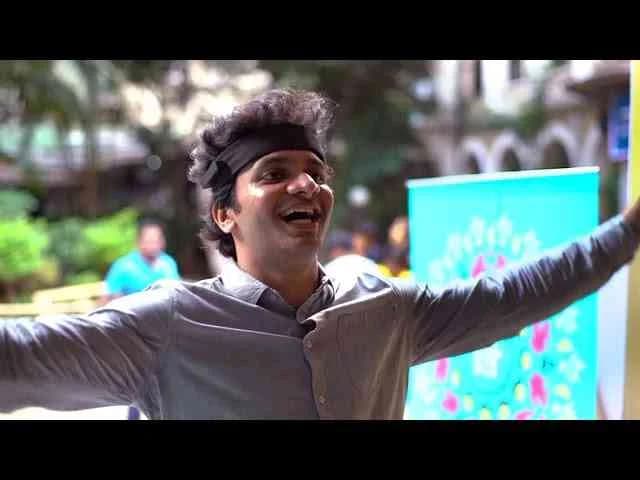
What If and Blink Digital’s What If Drinks Vending Machine campaign, launched in India in 2017, delivers an incisive and timely intervention into the country’s public health narrative by reframing stress from a hidden threat into a tangible, measurable experience. Rooted in the stark data that placed Bengaluru, Kolkata, Mumbai, and Delhi among the world’s most stressed cities, this campaign eschews abstraction for direct engagement, making its point through a real-world technology that assesses brain stress levels and dispenses a What If beverage only if the user achieves measurable calm. This fusion of neuroscience and consumer interaction is a creative wager on the power of experiential demonstration, sitting squarely within what Clapboard’s taxonomy would classify as FORMAT#1—Demonstration. Rather than dramatizing or symbolizing well-being, What If and Blink Digital present their product in action, challenging participants to actively confront the state of their own mental health while positioning the brand as a literal gatekeeper to tranquility. The What If Drinks Vending Machine is compelling precisely because it exposes how rare true calmness is in India’s hyper-pressurized urban climate—forcing users to slow down, become aware of their stress, and attempt the difficult journey toward clarity, if only for a moment’s reward. The campaign’s use of a physical, interactive device as both a stress test and a dispensing mechanism foregrounds the product’s promise—refreshment linked explicitly to a state of mind—while also leveraging curiosity and competition to create memorably shareable moments. By embedding a call to action with #CalmKaro, the campaign sought to extend its reach beyond direct participants, encouraging a broader reflection on self-care and the mounting societal cost of stress. Serving the public interest category, What If uses this experiential format not only to demonstrate the product but to provoke a shift in how consumers approach their own well-being, grounding its message in the evidence-based reality of life in urban India. Clapboard rates this 69/100. In a market awash with generic wellness platitudes, this campaign matters because it demonstrates that brands can trigger deeper engagement and societal conversation by quantifying personal health challenges through concrete, interactive encounters.
Mike's On-Air Proposal - Peoples Jewellers | Clapboard Ad Archive
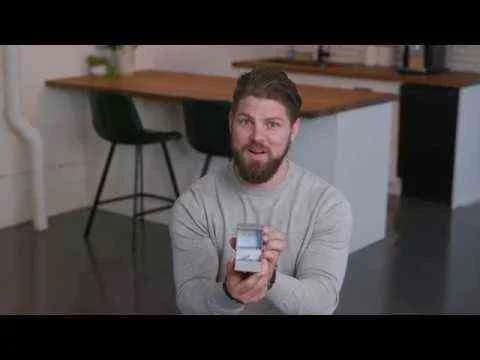
Mike's On-Air Proposal positions Peoples Jewellers at the nexus of romance and cultural spectacle, as the retail brand leverages live commercial airtime during a high-profile Leafs game to facilitate a real-life proposal — transforming what could be a standard broadcast interruption into a genuinely captivating shared experience. Conceived and executed by Juliet, this Canadian campaign from 2018 blurs the boundary between branded content and authentically moving narrative by integrating the raw, unscripted emotion of a marriage proposal into one of the nation’s signature media environments. The underlying creative approach sits squarely within Clapboard’s FORMAT#6—Benefit Causes Story, in which the brand’s benefit provides the very foundation and catalyst for the unfolding action: Mike’s desire to propose in a big, unforgettable way is made possible because Peoples Jewellers donates its commercial slot, directly aligning the jeweller’s value proposition with the personal milestone moment. Rather than narrating product benefits or dramatizing features, the campaign focuses on facilitating a moment that would not exist without the brand, rooting its entire narrative logic in the jeweller’s willingness to help ordinary people create extraordinary memories. By embedding itself in a sporting broadcast with pre-existing national resonance, the campaign deftly draws on the emotional tenor of live television while capitalizing on the already captive viewership of a Leafs game — a strategic decision that not only maximizes immediacy but forges an indelible association between treasured personal moments and the visibility of the Peoples brand. The agency’s ability to localize the story through the Leafs context and the campaign hashtag further strengthens audience identification, while the experiential format sidesteps the overt sales messaging typical of jewelry advertising in favor of participation in a contemporary cultural moment. As a move within the highly competitive personal accessories sector, Peoples Jewellers’ approach underscores an ability to reimagine media space as a platform for shared life events, differentiating itself from rivals through its hands-on role in actualizing customer milestones. The campaign earns 63/100 in Clapboard’s global creative archive. At a time when brands are challenged to drive authentic engagement without resorting to disruption for its own sake, Mike’s On-Air Proposal stands as a marker for how retail can shift from simply representing love to actively enabling it.
Unknown Places - The Exhibition - Lufthansa | Clapboard Ad Archive
Unknown Places – The Exhibition stands as a distinctive experiential campaign created by DDB for Lufthansa in the Travel and Leisure category, launched in Italy in 2018 with an ambition that cuts to the heart of what contemporary travel brands must articulate: the emotional power of true discovery. Rather than relying on personal profiles or the problem-solution tropes that can flatten the nuance of exploration, Lufthansa’s project builds its narrative around immersive symbolism, presenting an exhibition that foregrounds the allure of the unknown and the primal thrill of being the first somewhere new. The central creative idea treats destinations as metaphors for possibility, drawing visitors into an environment designed to stimulate genuine wanderlust and curiosity, and using evocative artistic cues to suggest that transformative experiences are unlocked by setting foot in places previously unseen. In this, Lufthansa herself is reframed—not just as a premium airline, but as a dynamic catalyst for adventure, moving beyond the transactional necessity of transport to position itself as an active gateway to worldliness and cultural capital. Strategically, the campaign exemplifies what Clapboard’s taxonomy would classify as FORMAT#9—Symbolize the Benefit, bypassing direct salesmanship for a layered, interpretive approach where the act of travel is rendered as an aspirational journey rather than a commodity. With a single, potent media asset anchoring the narrative, the exhibition avoids the clichés of destination photography and instead achieves a brand elevation rooted in experiential engagement: travel with Lufthansa is not simply a flight, but the pathway to founding personal connections with something genuinely new. This aligns deftly with contemporary travelers’ evolving expectations, as consumers skew toward authenticity and meaning in their journeys, rewarding brands that can tap into the emotional and psychological rewards of exploration beyond the merely logistical. The decision to anchor the campaign in Italy, a market rich with both outbound tourism and a historic sense of cultural curiosity, demonstrates strategic acuity from both Lufthansa and DDB, ensuring the narrative lands with relevance while remaining globally resonant. Clapboard rates this 66/100. As airlines contend with commodification and shifting consumer values, Unknown Places – The Exhibition matters because it recasts the core benefit of travel not as reaching a known destination, but as engaging in the very act of discovery itself.
Drama in the Living Room - Heineken | Clapboard Ad Archive
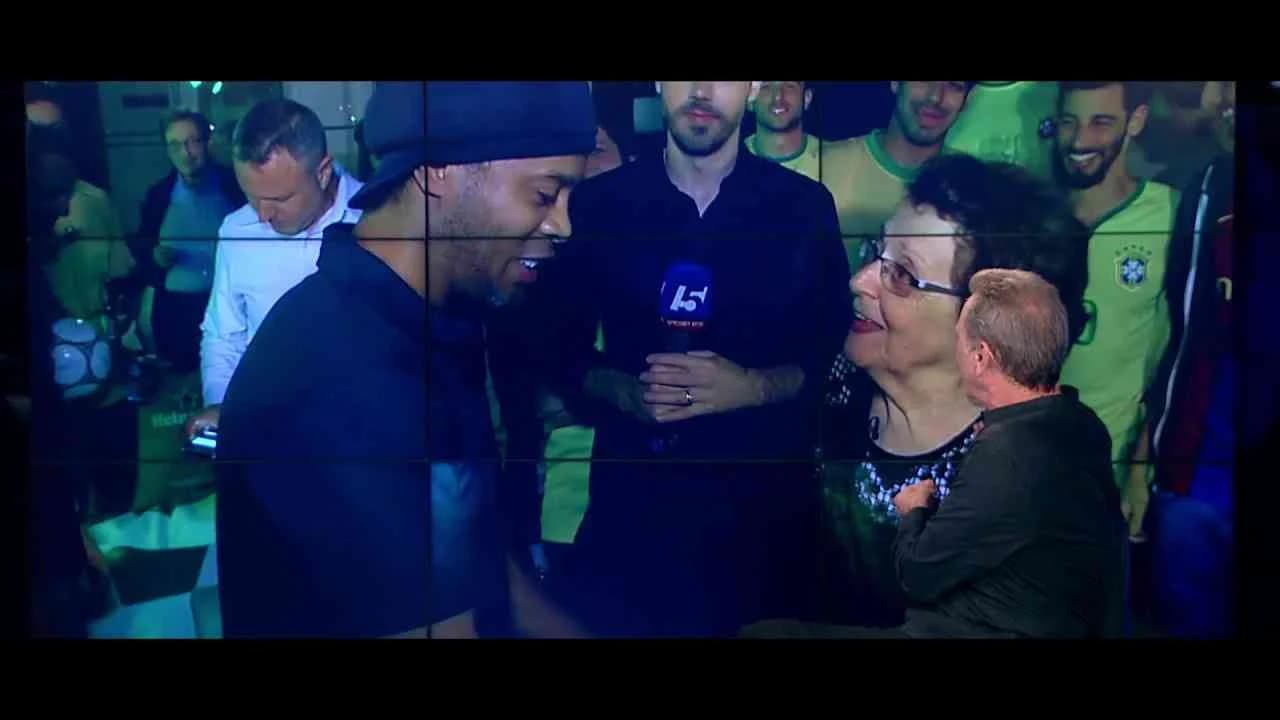
Heineken’s Drama in the Living Room campaign, launched in Israel in 2018 by g.Group, demonstrates the inventive flexibility required of global brands navigating challenging regulatory terrain in the alcoholic drinks sector. Unable to activate its global SHARE THE DRAMA UEFA platform due to advertising restrictions, Heineken pivoted strategically to an ambient experiential campaign built around the magnetic appeal of Champions League icon Ronaldinho, inviting consumers to win the once-in-a-lifetime opportunity of hosting the football legend at home during a high-stakes match night. Activation centered on direct fan engagement, transforming a regulatory constraint into a cultural event and creating aspirational moments that fans could not replicate elsewhere in the market. The campaign sits squarely in what Clapboard’s 12-format taxonomy classifies as FORMAT#8—Ongoing Characters or Celebrities, relying less on structured narrative and more on the personal resonance and fandom generated by a global sports star, which in turn drove involvement, social sharing, and word of mouth at scale. In a market where straightforward football sponsorships can blur into formulaic executions, Heineken distinguished itself by collapsing the boundary between remote viewer and on-pitch drama, shifting the locus of UEFA excitement from stadiums to intimate living spaces and ensuring the Heineken brand owned the conversation. Remarkably, the campaign delivered a 23 percent sales uplift with zero paid ad spend, an achievement most brands would consider the holy grail of activation ROI. The documentation of the event functioned both as proof of the activation and as a reinforcement of Heineken’s long-term commitment to football—a vital piece of association equity in the fiercely competitive food and drink category. Clapboard rates this campaign 63/100. Drama in the Living Room signals the resourcefulness required of brands to deliver cultural impact under constraint, redefining the possibilities for high-value sponsorship integration when traditional media is off the table.
The Greyest Day of the Year - Hartwall | Clapboard Ad Archive
Hartwall’s The Greyest Day of the Year, delivered in partnership with Bob the Robot in 2018, stands as a landmark in experiential marketing for Finland’s food and drink category, ingeniously finding a way to make Hartwall Original Long Drink unmissable despite rigorous bans on alcohol advertising across OOH and social channels. Rather than shying away from Finland’s famously sunless climate, the campaign leaned all the way in, using data from meteorologists to pinpoint November 17 as the country’s ultimate celebration of greyness and launching a tongue-in-cheek public holiday that reframed dark skies as a point of national pride and cultural connection. Hartwall’s Original Long Drink, itself a distinctive grey product with gin and grapefruit soda, became the totem of the day, at the centre of live events both grand and local — from the flagship gathering at Helsinki’s Alla Sea Pool next to the presidential palace to a tapestry of celebrations in private homes and neighbourhood bars, all simultaneously lifting a glass to the weather Finns know too well. In what Clapboard’s taxonomy classifies as FORMAT#11 UNIQUE PERSONALITY PROPERTY, the campaign sidestepped conventional advertising tropes entirely, weaving the product’s coloration and evocative connection to Finland’s meteorological identity into a singular brand narrative that could hardly be copied by any rival. Collaboration with local celebrities and musicians, as well as a partnership with clothing label Billebeino on a limited-edition grey apparel line, instilled visual unity across events, while the public’s embrace of the moment — from social media buzz to even competitors launching Greyest Day offers — amplified Hartwall’s message far beyond owned or paid media. Research afterwards showed near-saturation levels of awareness: nearly one in five Finns recognized November 17 as the greyest day, a third recalled seeing the campaign, 23 percent directly linked the grey color to Hartwall Original Long Drink, and a similar share planned to perpetuate the tradition into following years, anchoring both product and occasion into Finland’s cultural calendar. By transforming a perceived national drawback into a badge of shared identity and celebration — and making that new ritual inseparable from its product — Hartwall and Bob the Robot achieved a blend of earned media and organic engagement that few can rival under such tight regulatory scrutiny. Clapboard rates this 86/100. In an industry frequently constrained by regulations and category conventions, The Greyest Day of the Year signals that audacious, culturally embedded brand thinking can turn compliance into a competitive upper hand.
Pick Up Trips - Foot Locker | Clapboard Ad Archive
Pick Up Trips from Foot Locker, launched in the United States in 2017 and crafted by BBDO, stands as a pointed case study in how immersive brand activations can tap directly into the tribal rituals of sneaker culture within the fiercely competitive retail sector. With a laser focus on experiential engagement, the campaign reframes the store visit into a participatory adventure, surface-level simple but strategically attuned to the way sneakerheads ritualize the new-release cycle—staking out drop days, embarking on planned store visits, and cementing status within their community based on these shared behaviors. By leveraging a singular, potent media asset, BBDO and Foot Locker channel the power of relatable storytelling, using familiar user scenarios and aspirations to reinforce authenticity and drive meaningful recall—an approach that sits squarely in Clapboard’s FORMAT#10—Associated User Imagery, which privileges creative built around profiles and scenes the audience sees as both achievable and emblematic. The narrative avoids celebrity anchors, overt humor, or high-concept scenic dramatization, instead embedding itself in the everyman’s journey—the excitement and camaraderie that animate pick-up days, the anticipation of adding a coveted release to one’s personal collection, and the sense of belonging that comes from participating in a cultural moment. This experiential philosophy is more than window dressing; it strategically extends Foot Locker’s brand platform by fostering emotional buy-in and social sharing, drawing audiences out from behind screens and into live, connective interactions with the store environment. The campaign runs parallel to evolving retail expectations, answering the call for real-world experience amid the digital deluge and reinforcing Foot Locker’s position as a facilitator of both convenience and community. In a category where differentiation is increasingly synonymous with emotional relevance, Pick Up Trips crystallizes best practice in driving foot traffic while also sewing deeper engagement through narratives rooted in genuine user behavior. The campaign earns 63/100 in Clapboard’s global creative archive. In an era when consumers crave brands that participate in the rituals and rhythms that define their identities, Pick Up Trips signals how experiential initiatives can transform transactional touchpoints into shareable, loyalty-building events.
Bruise Automat – The photo booth against domestic violence - Terre Des Femmes | Clapboard Ad Archive
Bruise Automat – The photo booth against domestic violence, launched by Terre Des Femmes and created with DDB in Germany in Year: 2017, breaks convention within the public service category by repurposing Berlin’s iconic urban photo booth as a powerful symbol to address the deeply rooted issue of domestic violence, which affects one in four women in Germany and millions globally. Confronted with the challenge that stark statistics rarely spark meaningful engagement, the campaign’s core creative move is to disarm bystanders with a familiar urban object—bringing the conversation into public space and unexpectedly reframing the boisterous act of taking a photo as a sobering metaphor for the hidden, everyday presence of abuse. Upon entering the booth, participants found themselves confronted not by their unfiltered likeness, but by an image bearing digitally rendered bruises, effectively collapsing the distance between casual engagement and genuine empathy—a disruptive intervention that forces individuals to quite literally face what is routinely hidden. What Clapboard’s taxonomy classifies as FORMAT#3—Symbolize the Problem, the campaign eschews literal depictions or testimonials in favor of analogy, trading direct representation for a conceptual jolt that turns the act of daily documentation into commentary on invisible wounds, moving the public from passivity into shared accountability. There is no recourse to celebrities, dramatised victims, or solutions foregrounded for effect; instead, the photo booth operates as a universally recognizable stand-in, making the casualty shockingly personal and stripping away the abstraction that stats alone perpetuate. Grounding its communications in direct action—the campaign video urges sharing to expand reach and provides helpline details alongside a call for donations to sustain Terre Des Femmes’ critical work—the initiative demonstrates an understanding of how modern advocacy requires both emotional activation and accessible pathways to support. The campaign earns 72/100 in Clapboard’s global creative archive. Bruise Automat matters because it rewrites the expectations for public interest creative in Germany, showing how an urban symbol can be inverted to tap collective unease and reignite the social contract surrounding women’s safety.
Join the Club - American Family Insurance | Clapboard Ad Archive
Join the Club marks American Family Insurance’s bold pivot toward immersive marketing in the finance sector, spotlighting a campaign ethos rooted in collective identity and customer-centric community building. Created by Elite Media and released in the United States in 2017, the campaign leverages the power of shared experiences to expand the brand’s role in consumers’ lives beyond simply offering insurance products. Rather than relying on the well-trodden tropes of crisis, risk, or simple product demonstration, American Family Insurance embraces a participatory experiential strategy, using a single, high-impact activation to let the audience step directly into the brand’s promise of personalized protection and familial support. With the creative device calibrated to what Clapboard’s taxonomy identifies as FORMAT#10—Associated User Imagery, the work centers around easily identifiable, relatable user profiles, positioning everyday Americans as club members whose needs and aspirations mirror those of the target audience. The campaign experience, both metaphorical and literal, makes the act of joining tangible, threading a sense of belonging and security throughout every touchpoint, and elevating insurance above a commodity to a badge of membership in a caring, like-minded community. This experiential focus speaks directly to the evolving expectations of financial services consumers, who seek authentic brand engagement that transcends impersonal transactions and invites genuine participation. Elite Media’s execution is tightly focused, maximizing audience recall and emotional resonance through firsthand interaction, which not only encourages brand affinity but also sets the groundwork for loyalty and advocacy in a crowded, often commodified financial marketplace. The timing and method reflect a sophisticated read of modern consumer psychology, emphasizing that what sets a finance brand apart today is not just the robustness of its policies but its ability to foster trust and alignment with customers’ core values. In capturing everyday people as the face and fabric of American Family Insurance’s club, the work adds dimension to the notion of security, translating it from abstract peace of mind into a dynamic, communal assurance. The campaign earns 60/100 in Clapboard’s global creative archive. At a moment when financial brands are seeking stickier differentiation, Join the Club demonstrates the emerging value of belonging and co-identification as a driver of preference in the insurance category.
Duet - American Family Insurance | Clapboard Ad Archive
Duet, the experiential campaign crafted by BBDO for American Family Insurance in 2017, exemplifies the strategic elevation of financial services marketing through immersive storytelling and consumer-centric experience design. Set within the highly competitive US finance sector, Duet departs from transactional messaging to foreground an emotionally resonant narrative that foregrounds the aspirations, dreams, and relatable life moments of its intended audience. Eschewing overt product demonstration and testimonial conventions, the campaign leans into the power of Associated User Imagery—an approach that sits squarely in Clapboard's FORMAT#10—Associated User Imagery taxonomy—to create a genuine, aspirational portrait of the brand’s customer base without overt salesmanship, instead expressing the insurer’s role as a trusted partner in life’s unpredictable journey. Through a singular, focused media asset, BBDO masterfully balances creative flair with strategic clarity, translating the often-complex context of financial protection into moments viewers can both empathize with and envision for themselves. The interactive and immersive elements of the campaign offer consumers a tactile sense of agency, inviting them into an experience where the insurer’s promise is not abstract coverage but a catalyst for family milestones, security, and shared futures. In a category traditionally marked by dry, rational appeals, American Family Insurance differentiates itself by weaving protection and care into an aspirational lifestyle, tethering brand equity to emotional terrain rather than commoditized features. The campaign’s measured gravitas and use of relatable protagonists turn insurance from a necessary obligation into an enabler of dreams, effectively expanding the brand’s territory from procedural provider to emotional supporter. Clapboard rates this 61/100. As the finance sector rethinks customer engagement, Duet signals a compelling shift towards brand storytelling that operates not on the mechanics of policy but on the promise of possibility.
Parrot - Ceska Pojistovna | Clapboard Ad Archive
With the launch of Parrot in Year, Ceska Pojistovna and Y&R Prague delivered an experiential swerve in Czechia’s finance sector, enlisting the talents of Carl, an African Grey Parrot, as a live insurance sales agent in retail branches. This unexpected, character-driven approach leverages what Clapboard’s taxonomy classifies as FORMAT#11 UNIQUE PERSONALITY PROPERTY, focusing all creative firepower on the campaign’s inimitable centrepiece: a non-human employee who transforms a traditionally staid brand interaction into a scene of play, surprise, and lasting recall. Eschewing typical problem-solution advertising or narrative arcs, Y&R’s execution instead banks on the inherent draw of spectacle — Carl’s presence on-site captivates and disarms, humanizing (or perhaps de-humanizing, with equal effect) a category more commonly associated with paperwork than wit. Audiences intrigued by the activation are further directed to a dedicated digital portal, reinforcing the integration of physical and digital touchpoints and extending the campaign’s momentum beyond the retail environment. The narrative works doubly hard for Ceska Pojistovna: first, by signaling an irreverent confidence within a cluttered, conservative market; second, by creating an enduring memory hook that supports ongoing brand recognition and makes the purchase process anomalously approachable. The campaign’s single media asset distills its proposition: insurance doesn’t have to be uptight or remote — it can surprise you, prompt a smile, and maybe even prompt a story you’ll retell. For Ceska Pojistovna, Carl the Parrot is not just a gimmick but a calculated move to upend transactional fatigue, achieve higher emotional engagement, and crystallize the brand’s profile as the market’s innovator-in-chief. Clapboard rates this 70/100. Parrot sets a provocative precedent by proving that even in the most risk-averse categories, a singular creative act can reframe the nature of audience engagement and category differentiation.
FAQs for the Playlist: Experiential■
Top questions to this curated campaign playlist
Professionals analyze immersive campaigns to understand spatial design, audience flow, and sensory engagement techniques. These references guide logistics, technology integration, and on-site staffing decisions, ensuring seamless execution. Studying landmark experiential work also helps anticipate challenges unique to live environments—archived in Clapboard's global ad archive.
Historical insight reveals how experiential work has evolved to influence consumer behavior and brand perception. Understanding past successes and failures sharpens strategic choices around engagement tactics, storytelling, and measurement, enabling more effective and culturally resonant activations.
Budget constraints often dictate scale and technology use, while market-specific cultural nuances shape interaction styles. Over time, advances in AR, VR, and data analytics have expanded creative possibilities. Comparing these variables highlights the format's adaptability and innovation across contexts.
Many assume experiential is solely about spectacle or entertainment, overlooking its strategic role in building meaningful brand-consumer relationships through purposeful interaction. Effective experiential campaigns require rigorous planning and alignment with broader brand objectives, not just impressive visuals.
Deep knowledge of seminal campaigns equips leaders to benchmark quality, inspire original concepts, and anticipate audience expectations. It fosters informed risk-taking and cross-disciplinary collaboration, ultimately elevating the relevance and impact of their activations—archived in Clapboard's global ad archive.
.webp)
Creative Collaboration Platform: The Backbone of Modern Creative WorkWhat is a creative collaboration platform?Clapboard defines a creative collaboration platform as the operational core for today’s distributed creative teams. This is not a collection of digital collaboration tools stitched together; Clapboard’s system
Understanding the Creative Production MarketplaceWhat is a Creative Production Marketplace?Clapboard defines a creative production marketplace as a structured ecosystem where brands, agencies, and production talent converge to execute video, advertising, and branded content at scale. Unlike the legacy agency or freelanREAD FULL ARTICLE
The Urgent Need for a Creative Production Operating SystemWhy Traditional Creative Production Models Break DownClapboard sees the creative production landscape shifting under pressure. Content velocity is no longer a buzzword—it’s a mandate. Modern advertising demands relentless output across dozens of channels, each wREAD FULL ARTICLE