The Greyest Day of the Year - Hartwall | Clapboard Ad Archive
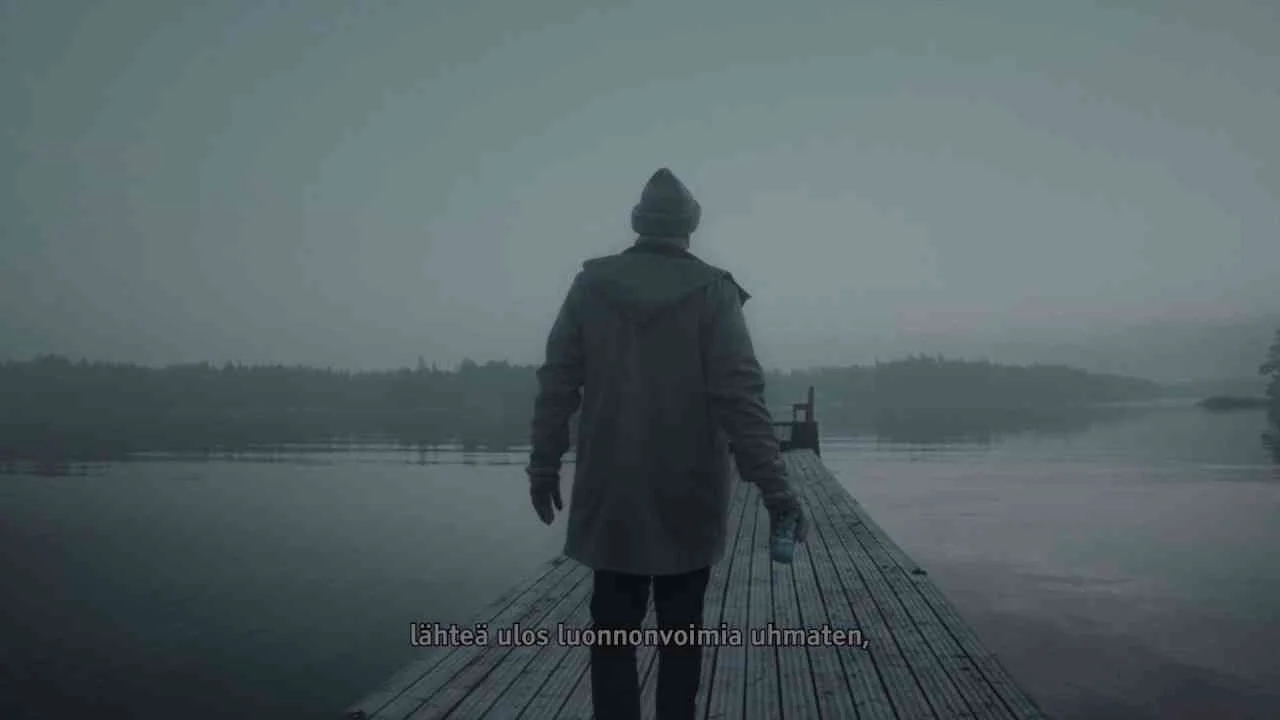
Hartwall’s The Greyest Day of the Year, delivered in partnership with Bob the Robot in 2018, stands as a landmark in experiential marketing for Finland’s food and drink category, ingeniously finding a way to make Hartwall Original Long Drink unmissable despite rigorous bans on alcohol advertising across OOH and social channels. Rather than shying away from Finland’s famously sunless climate, the campaign leaned all the way in, using data from meteorologists to pinpoint November 17 as the country’s ultimate celebration of greyness and launching a tongue-in-cheek public holiday that reframed dark skies as a point of national pride and cultural connection. Hartwall’s Original Long Drink, itself a distinctive grey product with gin and grapefruit soda, became the totem of the day, at the centre of live events both grand and local — from the flagship gathering at Helsinki’s Alla Sea Pool next to the presidential palace to a tapestry of celebrations in private homes and neighbourhood bars, all simultaneously lifting a glass to the weather Finns know too well. In what Clapboard’s taxonomy classifies as FORMAT#11 UNIQUE PERSONALITY PROPERTY, the campaign sidestepped conventional advertising tropes entirely, weaving the product’s coloration and evocative connection to Finland’s meteorological identity into a singular brand narrative that could hardly be copied by any rival. Collaboration with local celebrities and musicians, as well as a partnership with clothing label Billebeino on a limited-edition grey apparel line, instilled visual unity across events, while the public’s embrace of the moment — from social media buzz to even competitors launching Greyest Day offers — amplified Hartwall’s message far beyond owned or paid media. Research afterwards showed near-saturation levels of awareness: nearly one in five Finns recognized November 17 as the greyest day, a third recalled seeing the campaign, 23 percent directly linked the grey color to Hartwall Original Long Drink, and a similar share planned to perpetuate the tradition into following years, anchoring both product and occasion into Finland’s cultural calendar. By transforming a perceived national drawback into a badge of shared identity and celebration — and making that new ritual inseparable from its product — Hartwall and Bob the Robot achieved a blend of earned media and organic engagement that few can rival under such tight regulatory scrutiny. Clapboard rates this 86/100. In an industry frequently constrained by regulations and category conventions, The Greyest Day of the Year signals that audacious, culturally embedded brand thinking can turn compliance into a competitive upper hand.



.webp)