


Varun Katyal | Founder, Clapboard
Varun Katyal is the Founder & CEO of Clapboard and a former Creative Director at Ogilvy, with 15+ years of experience across advertising, branded content, and film production. He built Clapboard after seeing firsthand that the industry’s traditional ways of sourcing talent, structuring teams, and delivering creative work were no longer built for the volume, velocity, and complexity of modern content. Clapboard is his answer — a video-first creative operating system that brings together a curated talent marketplace, managed production services, and an AI- and automation-powered layer into a single ecosystem for advertising, branded content, and film. It is designed for a market where brands need content at a scale, speed, and level of specialization that legacy agencies and generic freelance platforms were never built to deliver. The thinking, frameworks, and editorial perspective behind this blog are shaped by Varun’s experience across both the agency world and the emerging platform-led future of creative production. LinkedIn: https://www.linkedin.com/in/varun-katyal-clapboard/
The Visual Impact of Rembrandt Lighting in Photography
Rembrandt lighting photography is not just a technical exercise—it's a deliberate choice to shape perception and inject narrative weight into an image. The classic triangle of light beneath the eye, bordered by shadow, does more than flatter bone structure. It carves out depth and dimension, transforming a flat face into a sculptural form. This is why moody portrait lighting, rooted in Rembrandt’s approach, remains a staple for photographers and cinematographers seeking images that resonate beyond surface aesthetics.
Why use rembrandt lighting in portrait photography
Rembrandt lighting is favored in portraiture for its ability to define facial features without flattening them. The technique selectively reveals and conceals, drawing the viewer’s eye to the subject’s gaze while letting shadows suggest mystery or introspection. Unlike flat, even lighting, it creates a sense of three-dimensionality—essential for portraits that need to feel alive, not manufactured.
Visual storytelling with rembrandt lighting
The interplay of light and shadow in rembrandt lighting photography is a storytelling tool. Highlights bring forward character and intent, while the enveloping shadows imply context or emotional subtext. This approach is particularly effective in cinematic lighting effects, where the image must suggest a backstory or inner conflict without a word spoken. The result is a portrait that feels authored, not accidental—one that invites interpretation and lingers in memory.
Creating drama with light and shadow in photos
Drama in photography is often a matter of restraint. Rembrandt lighting doesn’t flood the frame; it withholds, letting darkness do as much talking as light. This selective illumination amplifies the emotional impact lighting can have—whether the intent is vulnerability, authority, or ambiguity. The technique is best deployed when the story demands a sense of gravitas or when the subject’s features benefit from sculptural modeling.
Choosing rembrandt lighting is a creative decision, not a default. It’s for moments when you need the image to do more than record a likeness—when you want it to provoke, to suggest, to endure. For those seeking creative portrait ideas or exploring cinematic lighting styles, it remains a benchmark for crafting portraits with true narrative heft.
What Is Rembrandt Lighting Photography?
Rembrandt lighting photography is a portrait and cinematic lighting technique defined by its unmistakable interplay of shadow and light. At its core, this approach uses a single key light—often angled at 45 degrees to the subject’s face—to carve a small, inverted triangle of light beneath the eye on the shadowed cheek. This “Rembrandt triangle” is the signature, and it’s more than a visual gimmick. It’s a deliberate sculpting of the face, creating depth and drama without veering into theatricality.
Rembrandt lighting photography explained for beginners
For those new to the term, the rembrandt lighting definition is rooted in the work of the Dutch painter Rembrandt, whose portraits often featured this precise play of light. In practice, you achieve it by positioning your key light high and to one side, letting the far side of the face fall mostly into shadow except for that crucial triangle. The result is dramatic portrait lighting that feels grounded in reality—never flat, never forced.
What is the Rembrandt triangle in portraiture?
The Rembrandt lighting triangle is a patch of illumination on the shadowed cheek, ideally no wider than the subject’s eye and no longer than the nose. This triangle draws the viewer’s attention to the eye and cheekbone, subtly guiding the gaze. It’s a lighting choice that doesn’t just flatter; it reveals character, hinting at complexity beneath the surface. The triangle’s presence is proof of intent—this isn’t accidental light spill, but a controlled, crafted effect.
How rembrandt lighting differs from other lighting techniques
Unlike flat or beauty lighting, Rembrandt lighting photography embraces contrast and dimensionality. Where broad, even setups erase flaws and minimize depth, Rembrandt lighting leans into the shadows, letting them define structure and mood. It’s a favorite for narrative filmmakers and portrait photographers aiming for authenticity over perfection. The technique’s power lies in its restraint: dramatic, yes, but always with a naturalistic touch. It’s a masterclass in using minimalism to maximum effect—a reason it remains a staple in both photography and film.
Rembrandt Lighting Photography vs. Other Portrait Lighting Styles
Rembrandt lighting vs three-point lighting
Rembrandt lighting photography is defined by its economy: one light, placed at a 45-degree angle to the subject and slightly above eye level, creates a signature triangle of light on the shadowed cheek. This is a world apart from classic three-point lighting, which layers key, fill, and backlight for a sculpted, even look. Three-point setups offer control, separation, and polish—ideal for commercial headshots or corporate content where neutrality and clarity matter. Rembrandt, by contrast, is about controlled drama. It carves depth and tension with a single, directional source, letting shadows do the heavy lifting for mood and character (Videomaker, 2023).
Butterfly, loop, and split: a technical comparison
Butterfly lighting, with the key placed directly in front and above the subject, yields a symmetrical shadow under the nose and flatters with even, glamorous light. Loop lighting shifts the key off-axis, creating a small nose shadow that never connects with the cheek—softer than Rembrandt, but still dimensional. Split lighting, with the key at 90 degrees, divides the face in half: a stark, stylized look best reserved for bold editorial or character-driven portraits. Rembrandt lighting is unique in that the nose shadow meets the cheek shadow, forming that triangle—a subtle but critical distinction from loop (Digital Photography School, 2023).
Advantages and limitations of Rembrandt lighting
Rembrandt lighting excels when you want to evoke depth, mood, or psychological complexity. It’s efficient—one light, minimal gear—but demands precise placement and a subject who can hold shadow. The look is inherently dramatic, making it less suited for high-key, “friendly” commercial work or traditional family portraits. Where Rembrandt shines is in narrative-driven campaigns, environmental portraits, or anytime you want to suggest gravitas and texture without overcomplicating the setup.
Choosing the right portrait lighting setup
The decision comes down to intent and subject. If the brief calls for approachability and clarity, three-point or butterfly lighting is safer. For portraits that need tension, introspection, or a painterly quality, Rembrandt lighting photography delivers. Consider the face, the story, and the mood—the right setup is the one that serves all three without compromise.

Setting Up Rembrandt Lighting Photography: A Step-by-Step Guide
Essential gear for rembrandt lighting photography
Rembrandt lighting photography doesn’t demand a truckload of gear. Start with a single key light—strobe, LED panel, or even a large window with daylight. Add a reflector or white foam board to control shadow density. If you’re in a studio, a basic stand, modifier (like a softbox or umbrella), and your camera on a tripod will cover the essentials. Keep it lean; the artistry comes from placement, not equipment.
Step-by-step rembrandt lighting setup
Begin by placing your subject about four to five feet from your background—distance helps avoid spill and gives you room to work. Position your key light off to one side and slightly above the subject, at a 45-degree angle from the camera, about five feet away and two feet higher than eye level. Angle it downward to carve out the signature Rembrandt triangle on the far cheek (Digital Photography School, 2023). If you’re using a window, make sure it’s larger than your subject and diffuse the light with sheer curtains for softness.
How to position lights for rembrandt effect
Precision matters. The subject should turn their face slightly toward the camera—think a 0 to 30-degree angle. The key light stays between a 45 to 90-degree offset from camera, never flat frontal. Watch for the triangle: it should be no wider than the subject’s eye and no longer than the nose. If the shadow connects from the nose to the cheek, you’ve nailed the look (Digital Photography School, 2023). For a single-light setup, add a reflector on the shadow side at eye level, three to four feet away, to soften contrast without losing the Rembrandt signature.
Troubleshooting common mistakes in portrait lighting tutorial setups
If the triangle is too large, the key light is too far to the side or too low. If it disappears, your angle is too shallow or the subject’s face isn’t turned enough. Harsh shadows? Move your modifier closer or use a larger source. Flat lighting? Check that your light isn’t creeping too close to the lens axis. Rembrandt lighting setup rewards subtlety—micro-adjust until the triangle sits perfectly and the mood feels intentional.
Mastering this portrait lighting tutorial isn’t about perfection; it’s about control. Strip back to the basics, trust your eye, and let the lighting do the storytelling.
Rembrandt Lighting Photography in Cinematography
Using Rembrandt Lighting in Filmmaking
Rembrandt lighting photography isn’t just a museum piece. In cinematography, it’s a practical tool for sculpting faces and shaping story. The signature triangle of light beneath the eye does more than flatter—it creates dimension, tension, and a sense of realism that’s hard to fake with flat, even setups. Directors and DPs reach for this technique when a scene calls for psychological depth or when a character’s inner world needs to be etched into the frame.
Adapting Photography Lighting for Video Shoots
The jump from stills to moving images complicates things. In a photograph, Rembrandt lighting is static—one moment, one angle. In film, the camera moves, actors shift, and the lighting must hold up across coverage and continuity. This means rigging practicals and flags that let you maintain the iconic triangle through dialogue, blocking, and scene transitions. It’s less about perfection and more about consistency and mood.
Rembrandt Lighting in Classic and Modern Cinema
Classic noir and period dramas lean on Rembrandt lighting for its inherent drama. Think of the way a single window spill shapes a detective’s face, or how a candlelit dinner scene isolates a protagonist in chiaroscuro. Modern filmmakers use it more selectively—often to highlight a turning point, a confession, or a moment of vulnerability. The technique remains a shorthand for introspection and moral ambiguity.
Integrating Rembrandt lighting into shot lists and storyboards starts with intent. It’s not a default look; it’s a purposeful choice. Storyboards should indicate not just the lighting angle but the emotional beat it serves. On set, this means collaborating with gaffers to build lighting rigs that can be tweaked quickly, especially when shooting coverage under tight schedules. Rembrandt lighting in film is about guiding the audience’s eye without announcing itself—using shadow and highlight to pull focus, suggest subtext, and elevate the narrative.
For filmmakers serious about cinematic lighting techniques, mastering Rembrandt lighting is less about copying old masters and more about understanding how light reveals character. It’s one of the enduring film lighting styles because it’s both expressive and efficient—a tool that rewards craft and intention in equal measure.
Common Misconceptions About Rembrandt Lighting Photography
Debunking Rembrandt Lighting Myths
Rembrandt lighting photography is often wrapped in a haze of half-truths and outdated advice. The first myth that needs dismantling: you don’t need a truckload of gear. The signature triangle of light on the cheek can be achieved with a single light source—sometimes even a window. Expensive modifiers and pro strobes are tools, not prerequisites. Craft trumps kit every time.
Truths About Achieving Rembrandt Lighting at Home
Another misconception: Rembrandt lighting is strictly a studio affair. This is false. I’ve shaped textbook Rembrandt setups in cramped apartments and on location, using blackout curtains, a reflector, or even a white foam board. The core principle is directional light at roughly 45 degrees from the subject—where you do it is secondary. Mastering control and placement matters more than the environment.
Avoiding Common Rembrandt Lighting Errors
Many stumble over the triangle itself. The Rembrandt triangle should be small, just under the eye on the shadowed cheek—never sprawling down to the jaw. Oversized or misplaced triangles signal a misunderstanding of the technique, not a creative choice. If you’re not vigilant, the effect drifts into muddy, unflattering territory. This is one of the classic portrait lighting misconceptions that’s easy to fix with a critical eye and a meter.
Context is equally important. Rembrandt lighting is dramatic by nature—it doesn’t suit every brief or face. Overusing it, especially in commercial work, can feel forced or cliché. Assess the subject, the story, and the brand before defaulting to this style. Sometimes, softer or more open lighting is the right call. That’s not a mistake; it’s good judgment.
Finally, balancing natural and artificial light is where most lighting mistakes happen. Many beginners think you have to kill all ambient light to “do it right.” In reality, blending window light with a controlled fill can yield a nuanced, dimensional look—often more interesting than pure artificial setups. For more on troubleshooting these issues, see our guide to lighting troubleshooting and beginner photography mistakes.
Creative Variations and Advanced Uses of Rembrandt Lighting Photography
Rembrandt lighting photography is often treated as a rite of passage—a test of technical discipline and visual literacy. But the real artistry begins when you start bending the rules. For those who have mastered the triangle of light, the next step is to treat Rembrandt not as a formula, but as a foundation for creative lighting techniques that can be adapted, layered, and reimagined.
Advanced Rembrandt Lighting Techniques
Start by modifying the classic setup. Swapping a bare softbox for a gridded beauty dish tightens the falloff, carving out moodier transitions across the face. Adding a kicker or hair light—positioned just off-axis—can separate your subject from the background without sacrificing the signature Rembrandt shadow. For skin tones that need more nuance, dial in fill with a silver reflector or bounce card, but position it low and lateral to preserve dimensionality.
Mixing Rembrandt with Other Lighting Styles
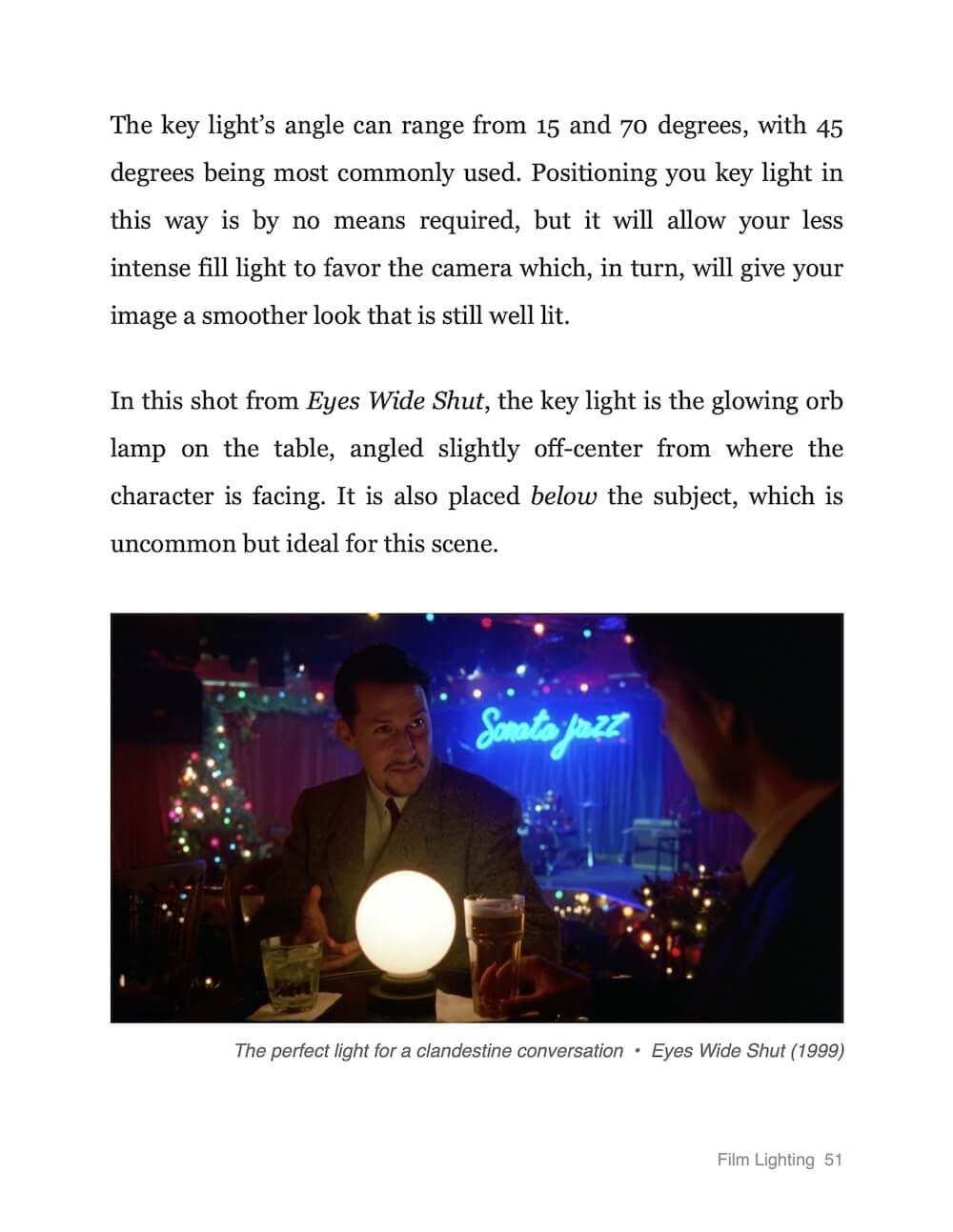
Hybrid setups unlock new visual territory. Blend Rembrandt with split lighting for a harder, more graphic edge, or feather in a touch of clamshell from below to soften the jawline while keeping that iconic triangle. Colored gels on your key or fill can shift the emotional temperature—think teal shadows for a cinematic cool, or amber highlights for warmth. These rembrandt lighting variations keep the look fresh without losing its sculptural intent.
Creative Ways to Use Rembrandt Lighting in Portraits
Don’t limit yourself to the studio. Outdoor Rembrandt lighting is possible with careful use of flags, scrims, or even a car sunshade as a makeshift modifier. Harness late afternoon sun as your key and let ambient fill do the rest. Props—mirrored surfaces, translucent fabrics, or even textured walls—can redirect or break up light, introducing controlled chaos into the composition. For unconventional face shapes, shift your key slightly or adjust height to flatter bone structure and avoid harshness.
At the advanced level, Rembrandt lighting becomes less about replication and more about interpretation. The mark of a seasoned creative isn’t just technical precision—it’s knowing when to subvert tradition in pursuit of a stronger image. The triangle is just the beginning.
When and Why to Choose Rembrandt Lighting Photography for Your Project
Deciding on Rembrandt lighting for your shoot
Rembrandt lighting photography isn’t a default—it’s a deliberate choice. The first question is always about intent: what emotional resonance or visual tone does your project demand? If you’re aiming for depth, subtle drama, or a sense of timelessness, this lighting style delivers. It’s not just about the triangle of light on the cheek; it’s about sculpting character. For narrative films, commercials, or brand portraits that need to convey complexity or introspection, Rembrandt lighting earns its place.
Factors to consider before using Rembrandt lighting
Project lighting decisions start with the subject. Not every face or product benefits from shadow-driven contrast—Rembrandt can add gravitas, but it can also obscure. Consider skin tone, facial structure, and wardrobe. Assess the project’s message: does it call for realism and honesty, or is it selling aspiration and clarity? The answer shapes your approach to choosing portrait lighting. Resources also matter. Rembrandt setups require control—flags, modifiers, and a willingness to finesse. If you’re shooting fast, or in uncontrolled environments, the look might be compromised.
Integrating Rembrandt lighting into your creative workflow
Making Rembrandt lighting part of your visual signature is about consistency and intent. It works best when it’s not just a technical trick, but a recurring motif that supports your broader creative goals. If your brand or directorial style leans into psychological depth, this approach can unify campaigns and films. But don’t force it—let the project dictate the lighting, not the other way around. Strategic use, not repetition, is what sets apart practitioners from imitators.
Ultimately, Rembrandt lighting photography is a tool for those who see beyond surface beauty. It’s for teams willing to invest in mood and meaning, not just exposure. When project planning for photographers or refining your lighting strategy guide, weigh mood, message, and resources before committing. The right light tells the right story—choose it with purpose.
Conclusion
Rembrandt lighting stands apart for its ability to shape faces and scenes with a single, decisive gesture. The triangle of light beneath the eye isn’t just a technical hallmark—it’s a visual signature that brings instant depth and dimensionality. In both photography and cinematography, this approach to dramatic portrait lighting is as much about restraint as it is about boldness. The shadows it casts aren’t incidental; they’re deliberate, guiding the viewer’s attention and carving out emotion from the ordinary.
Across mediums, Rembrandt lighting’s influence is unmistakable. In stills, it transforms portraiture, lending gravity and character with minimal fuss. On set, it becomes a tool for directors of photography to build mood and tension, often with little more than a single source and a fill. These cinematic lighting techniques endure because they work—they’re efficient, evocative, and flexible enough to serve both commercial imperatives and artistic vision. Whether you’re shooting a brand film or a narrative feature, the principles remain consistent: control, contrast, and clarity.
The true value of Rembrandt lighting isn’t in following a formula, but in understanding why it works. It’s a reminder that lighting choices are never neutral—they’re storytelling decisions. Every shadow, every highlight, is a cue to the audience about what matters in the frame. Mastering this technique means knowing how to balance practicality with aesthetics, and how to adapt classic approaches for modern creative needs. It’s not just about making something look “cinematic”; it’s about using light as a narrative tool, shaping stories one frame at a time.
In a landscape crowded with lighting techniques and creative portrait ideas, Rembrandt lighting endures because it rewards those who respect both craft and context. It’s a foundation for visual storytelling that never loses relevance, no matter how the tools or trends evolve.
FAQs
What is rembrandt lighting photography?
Rembrandt lighting is a portrait lighting technique characterized by a distinct triangle of light on the subject’s cheek, opposite the key light. Named after the Dutch painter, it delivers dramatic contrast and depth, often used to sculpt facial features and evoke mood. The approach is efficient, classic, and instantly recognizable in visual storytelling.
How do you set up rembrandt lighting?
Position your key light about 45 degrees from the subject and slightly above eye level. Adjust until a small, illuminated triangle appears under the eye on the shadow side of the face. Use a reflector or fill light sparingly if you need to control contrast, but keep the effect defined for authenticity.
What is the rembrandt triangle in portraiture?
The Rembrandt triangle is the patch of light that forms beneath the eye on the shadowed cheek, bordered by the nose shadow and cheek shadow. It’s the hallmark of this technique, typically no wider than the eye and just long enough to touch the upper lip, signaling true Rembrandt execution.
When should I use rembrandt lighting in photography?
Use Rembrandt lighting when you want dimensionality, mood, and a sense of classic portraiture. It’s effective for character-driven shots, editorial portraits, and scenarios where you need to add gravitas without multiple light sources. It works best with subjects whose bone structure can carry shadow and highlight interplay.
What are common misconceptions about rembrandt lighting?
Many assume Rembrandt lighting requires total darkness or a single hard light. In reality, it’s about shadow placement, not light quantity. Some believe it flatters everyone; it doesn’t. It’s also mistakenly called “moody lighting” in general, but its triangle signature is specific and deliberate.
How does rembrandt lighting differ from other lighting techniques?
Unlike flat or beauty lighting, Rembrandt lighting prioritizes contrast and sculpted features. Compared to split lighting, it’s less severe, offering a mix of shadow and light. It stands apart from loop lighting by the presence of the triangle, which loop lacks due to higher fill and less shadow depth.
Can rembrandt lighting be used in cinematography?
Absolutely. Rembrandt lighting translates well to film, especially for character intros and dramatic beats. Cinematographers often adapt it with larger sources or practicals for scale, but the principle—sculpting the face with a triangle of light—remains a powerful tool for narrative and branded content alike.
.webp)
Creative Collaboration Platform: The Backbone of Modern Creative WorkWhat is a creative collaboration platform?Clapboard defines a creative collaboration platform as the operational core for today’s distributed creative teams. This is not a collection of digital collaboration tools stitched together; Clapboard’s system

Understanding the Creative Production MarketplaceWhat is a Creative Production Marketplace?Clapboard defines a creative production marketplace as a structured ecosystem where brands, agencies, and production talent converge to execute video, advertising, and branded content at scale. Unlike the legacy agency or freelanREAD FULL ARTICLE
The Urgent Need for a Creative Production Operating SystemWhy Traditional Creative Production Models Break DownClapboard sees the creative production landscape shifting under pressure. Content velocity is no longer a buzzword—it’s a mandate. Modern advertising demands relentless output across dozens of channels, each wREAD FULL ARTICLE

JOIN THE NEWSLETTER.
Content Production insights, videos, books, and freebies, delivered to your inbox weekly


LEAVE A COMMENT
Your email address will not be published.