

.jpg&w=3840&q=75)

Varun Katyal | Founder, Clapboard
Varun Katyal is the Founder & CEO of Clapboard and a former Creative Director at Ogilvy, with 15+ years of experience across advertising, branded content, and film production. He built Clapboard after seeing firsthand that the industry’s traditional ways of sourcing talent, structuring teams, and delivering creative work were no longer built for the volume, velocity, and complexity of modern content. Clapboard is his answer — a video-first creative operating system that brings together a curated talent marketplace, managed production services, and an AI- and automation-powered layer into a single ecosystem for advertising, branded content, and film. It is designed for a market where brands need content at a scale, speed, and level of specialization that legacy agencies and generic freelance platforms were never built to deliver. The thinking, frameworks, and editorial perspective behind this blog are shaped by Varun’s experience across both the agency world and the emerging platform-led future of creative production. LinkedIn: https://www.linkedin.com/in/varun-katyal-clapboard/
Types of Ambient Light Sources in Photography
Common natural and artificial ambient light sources
Ambient light photography is defined by the light that already exists in a scene—no strobes, no modifiers, just what’s there. In practice, that means working with sunlight, moonlight, streetlights, and whatever fixtures the location provides. Each source has its own character. Sunlight is the gold standard for daylight photography, offering everything from crisp, hard shadows at noon to soft, directional light at golden hour. Moonlight, though faint, can add subtlety and mood, especially for night exteriors. Artificial ambient light—streetlamps, neon, office fluorescents—introduces color casts and intensity shifts that can either enhance or complicate a shot. Understanding these light sources for photography is the first step toward harnessing or overcoming their effects.
How weather and time of day impact ambient light
Weather and time of day are the wildcards in ambient lighting. Clear midday sun is harsh and unforgiving, while overcast skies diffuse light into a broad, even wash—ideal for portraits but often flat for drama. Early morning and late afternoon offer longer shadows and warmer tones, prized in both narrative and commercial work. For night shoots, the interplay between moonlight and urban lighting creates a distinctive palette. In practice, you’re always reading the sky, watching for cloud cover, haze, or even pollution, all of which can shift color temperature and intensity in subtle but significant ways. This is where outdoor vs indoor photography diverges: outdoors, you adapt to the elements; indoors, you reckon with what the space gives you.
Dealing with mixed lighting in photography
Few locations hand you a single, pure light source. More often, you’re negotiating a blend—sunlight leaking through a window, tungsten lamps overhead, maybe a flicker from a television in the corner. Mixed lighting creates challenges: competing color temperatures, uneven exposure, unwanted shadows. The seasoned approach is to identify the dominant source and decide whether to neutralize or embrace the mix. Sometimes you gel a practical, sometimes you white-balance for the warmest or coolest source, sometimes you let the chaos in for effect. In ambient light photography, control is rarely total, but mastery comes from knowing what you can shape and what you must accept.
What Is Ambient Light Photography?
Ambient light photography is the practice of capturing images using only the light that naturally exists in a scene. In other words, it’s working with the illumination already present—whether that’s sunlight pouring through a window, streetlights at dusk, or the soft glow of a neon sign. There are no strobes, no on-camera flash, no added fixtures. The photographer’s challenge is to read, shape, and harness what’s available, not to overpower it.
What qualifies as ambient light in photography?
Ambient light includes any light source that isn’t deliberately introduced by the photographer for the shot. That means both natural and artificial sources: daylight, moonlight, overhead fluorescents, practical lamps, or even the blue cast of a phone screen. If it’s already there when you arrive, it’s ambient. This is distinct from controlled lighting setups, where every fixture is placed with intention.
Ambient light vs. artificial light: Key differences
The line between ambient and artificial light is often misunderstood. Not all ambient light is natural—streetlights and signage are artificial, but if they’re part of the environment, they count as ambient. The distinction is about control. Artificial lighting in the photographic sense refers to fixtures you bring and position for the shot. Ambient light is what the location provides, regardless of its origin.
Why photographers should care about ambient light
Mastering ambient light photography is more than a technical exercise. It’s about agility and respect for a location’s mood. Working with available light can yield images with a sense of place and authenticity that’s hard to fake. There’s a creative discipline in adapting to what’s there—finding the right angle, exposure, or moment. But ambient light also brings constraints: less control over direction, color, and intensity, and often tighter exposure windows. Knowing how to read and use ambient light is a foundational skill for anyone serious about photography lighting, whether you’re shooting for a global brand or building your reel. For those starting out, understanding what is ambient light is a fundamental part of any beginner photography tips worth their salt.
Ambient Light vs. Flash and Studio Lighting
Every photographer and cinematographer faces the ambient light vs flash decision. The choice is more than technical—it's a question of control, intent, and workflow. On set, ambient (natural) light delivers images with an organic, unforced quality. It’s fast: you walk into a room, read the light, and shoot. There’s no wrestling with modifiers or power packs. For commercial or branded content, this can mean moving quickly through setups, especially when time and talent patience are tight. Soft, romantic, and airy portraits—think near windows or golden hour exteriors—are where ambient light excels (Behind the Shutter, 2023).
When to use ambient light vs. flash
Ambient light is the weapon of choice for lifestyle shoots, run-and-gun documentary work, or any scenario where mobility and speed outweigh granular control. Flash and studio lighting, by contrast, are indispensable when consistency is non-negotiable—product shoots, high-concept campaigns, or anything where the client expects the same look, frame after frame. Flash lets you dictate the story: shaping shadows, freezing action, and separating subject from background even in high-contrast or uninspiring locations (Behind the Shutter, 2023).
Pros and cons of natural versus studio lighting
The trade-offs are real. Ambient light is nimble—less gear, less setup, fewer barriers between you and the moment. But it’s fickle. Weather changes, clouds drift, and what worked at 9 a.m. can fall apart by noon. Studio lighting, on the other hand, brings reliability. You control intensity, direction, and color temperature. The downside? More equipment, more setup time, and less spontaneity. In post, flash photography often delivers sharper images and richer colors, while ambient can struggle with muddy shadows and unpredictable tones.
Myths about controlling ambient light
One persistent myth is that ambient light is uncontrollable. This is lazy thinking. Flags, reflectors, negative fill, and careful location scouting are all tools for shaping and managing natural light. True, you can’t summon the sun, but you can absolutely bend ambient to your will. It’s not about surrendering control—it’s about knowing what to control and when. The best practitioners never let the light dictate the shot; they adapt, improvise, and use every tool at their disposal.
Creative Techniques for Using Ambient Light in Photography
How to enhance photos using only ambient light
Creative ambient light photography isn’t about settling for what’s available—it’s about mastering the subtle interplay of light and subject. The most direct tool is a reflector, but it doesn’t have to be a dedicated bounce. A hand mirror, for example, can redirect harsh window light into a crisp, focused beam, carving out a spotlight effect that transforms a standard portrait into something abstract and intentional (Rangefinder Online, 2023). This isn’t just a trick; it’s a mindset—using the environment as a lighting kit.
Diffusers, from translucent fabric to a simple white curtain, can soften midday sun or overhead fluorescents, flattening contrast without killing mood. Sometimes, the best move is to reposition your subject: shift them closer to a window, under a streetlight, or just out of direct sunlight. The goal is always to shape the light, not just capture it.
Camera settings for ambient light photography
Shooting without flash means your camera settings become the real creative levers. In bright conditions, a low ISO preserves dynamic range, while a tripod opens the door to slow shutter speeds—letting you drag in more ambient light without introducing blur, as long as you respect your focal length. Neutral density filters are essential when you want shallow depth of field in harsh daylight, cutting exposure without sacrificing aperture (Sean Tucker Photography, 2018). In low light, open up the lens, but don’t be afraid to underexpose slightly if it serves the mood.
Creating mood and drama with available light
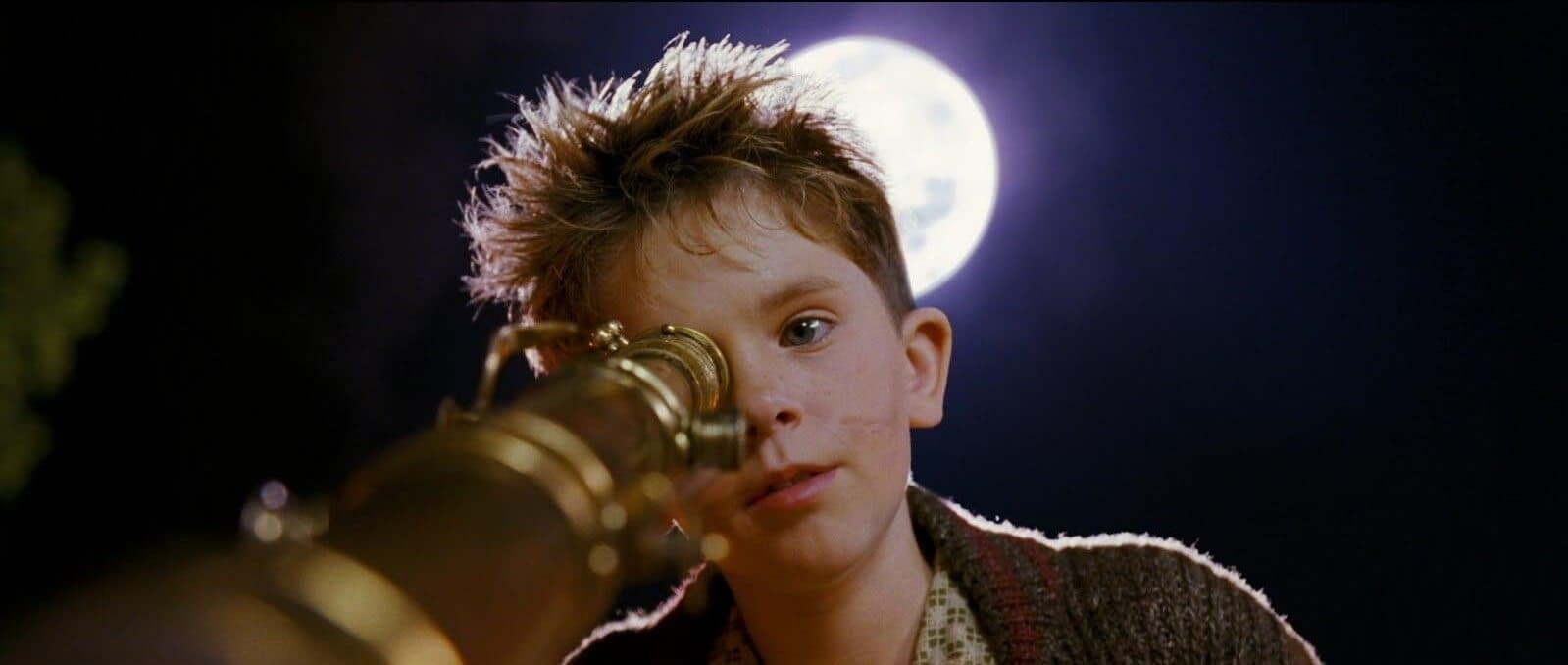
Mood lighting photography is built on intent. Backlighting a subject at sunset, for instance, creates rim light and flare, separating figure from background and injecting atmosphere. For drama, meter for the highlights and let the shadows fall away—embrace the darkness rather than fighting it. Composition matters: use negative space, frame within frame, or reflective surfaces to amplify the ambient effect. Every choice should reinforce the emotional tone of the image.
Mastering creative ambient light photography is about control—knowing when to bend the light, when to let it lead, and how to translate atmosphere into image. The best results come from a willingness to experiment, adapt, and exploit every available photon.
Challenges and Solutions in Ambient Light Photography
How to handle low light situations
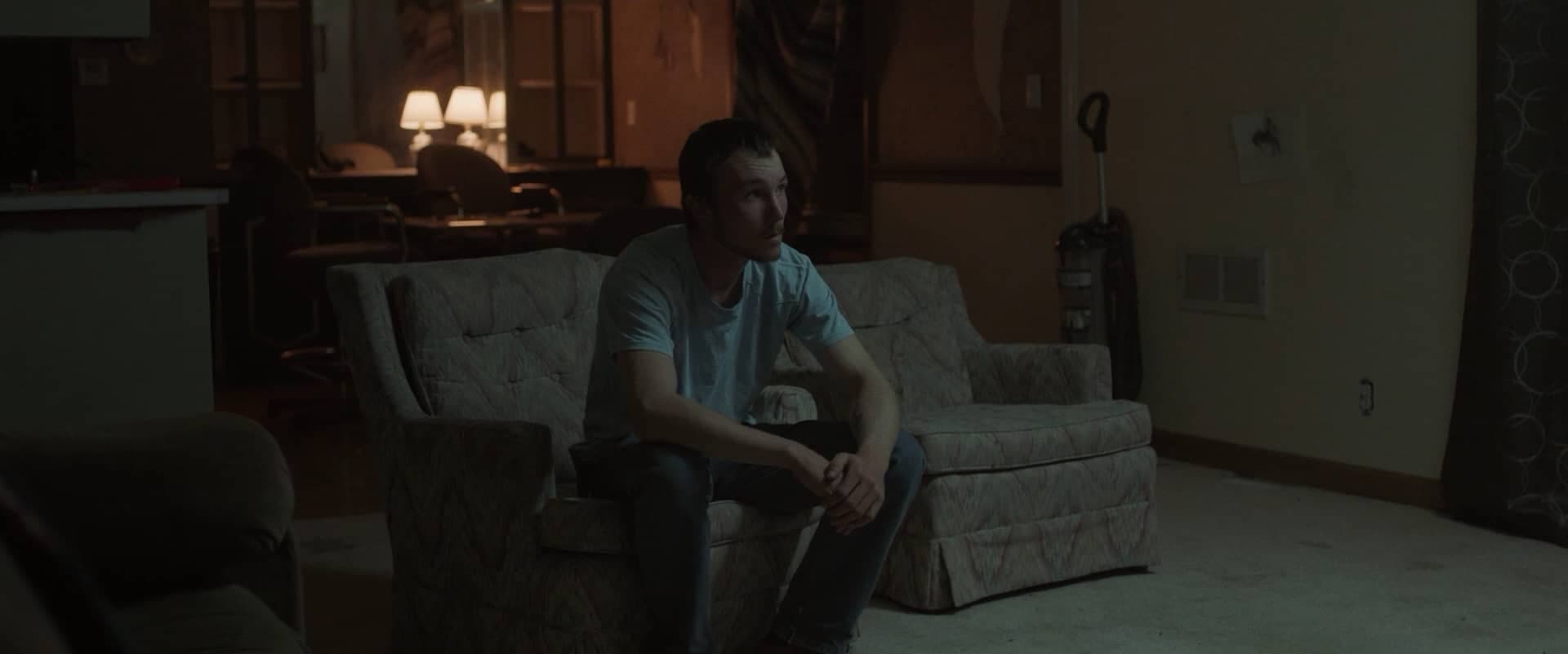
Ambient light photography challenges often start with scarcity—there’s simply not enough light. Low light pushes sensors to their limits, inviting noise and loss of detail. The knee-jerk reaction is to crank ISO, but that’s a blunt tool. Instead, use fast lenses wide open, stabilise your camera for slower shutter speeds, and lean on manual focus if autofocus hunts. If the scene can’t tolerate a tripod, brace against a wall or use available surfaces—small moves that buy you stops of exposure. In post, advanced denoising software can rescue what the sensor can’t, but nothing replaces clean capture at the source.
Balancing color temperature with mixed ambient sources
Exposure problems and color temperature issues often go hand in hand, especially when daylight mixes with tungsten or LED sources. Mixed lighting can kill skin tones and flatten a scene’s mood. White balance cards and on-set calibration are essential, but you can’t always control the environment. Shoot RAW—this is non-negotiable. In post, use local adjustments to correct color casts selectively, rather than global fixes that wash out the image. When possible, block or flag competing sources, or supplement with a small, color-accurate LED to tip the balance in your favor.
Fixing exposure problems in ambient light photography
Exposure in ambient light is a balancing act. Overexpose and you lose highlight detail; underexpose and shadows drown in noise. The exposure triangle explained simply: prioritise aperture for depth, then adjust shutter and ISO as the scene allows. If you must push ISO, expose to the right—slightly overexpose without clipping, then pull back in post to minimise noise. Bracketing is your safety net for high-contrast scenes. When all else fails, lean on post-processing: targeted shadow recovery and careful contrast adjustments can salvage what felt impossible on set.
Troubleshooting photography lighting on location is about working with, not against, the available light. Gear and software help, but decisive choices in the moment—rooted in understanding ambient light photography challenges—make the difference between a compromised shot and a compelling one.
Ambient Light Photography in Different Genres
Best practices for portraits using ambient light
Ambient light photography for portraits hinges on control and subtlety. Soft, diffused daylight — think north-facing windows, overcast afternoons, or the golden hour — flatters skin and minimizes harsh shadows. On set, I’ll position talent to catch the wrap of natural light, sometimes bouncing it with a simple reflector. The challenge is consistency: ambient light shifts, so you adapt quickly, maintaining flattering exposure while keeping the subject comfortable. For those seeking to refine their approach, mastering portrait lighting techniques with available light is essential. The right ambient conditions can deliver honest, dimensional portraits that feel lived-in rather than staged.
Using ambient light for landscapes and nature shots
Landscape photography lighting is dictated by patience and timing. You can’t move the sun, so you chase its best moments: dawn for cool, gentle tones; dusk for saturated, dramatic skies. The unpredictability of clouds and weather becomes part of the creative process. I’ve waited hours for the right cloud break, knowing that ambient light can make or break the texture in a scene. Shadows, contrast, and color temperature all shift as the day unfolds. For those serious about the craft, understanding these rhythms is as important as any gear. Practical landscape photography tips often come down to reading the light, not just the location.
Street and event photography with available light
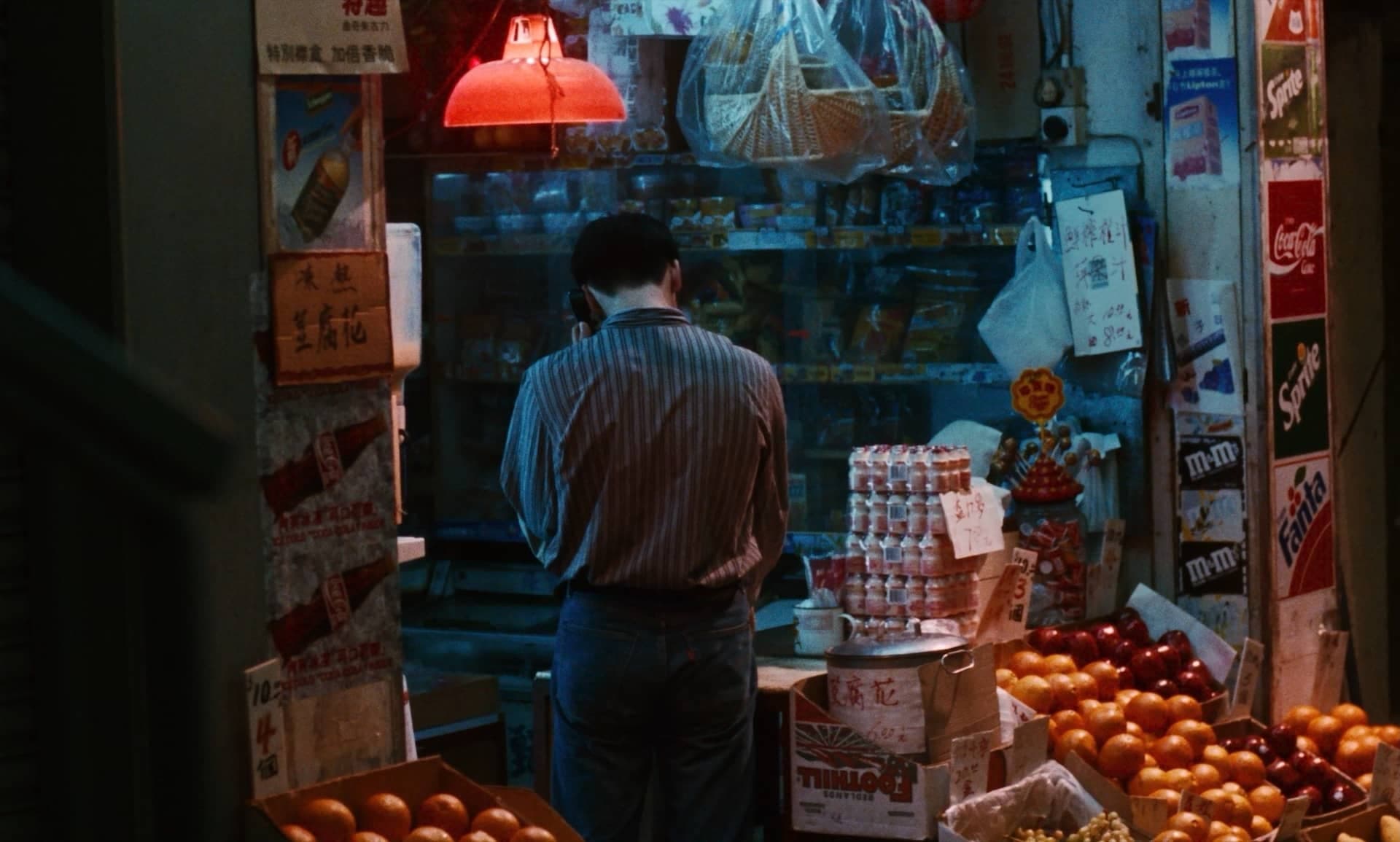
Street photography ambient light and event photography lighting present a different set of demands. Here, you work fast, responding to fleeting moments and unpredictable sources — neon, headlights, city glow, or dim interiors. There’s no time for elaborate setups. Instead, you read the scene, anticipate movement, and adjust your exposure on the fly. Grain, motion blur, and mixed color temperatures aren’t flaws; they’re the texture of the genre. The creative opportunity is in embracing imperfection and letting the ambient light drive the narrative. In these environments, technical control meets instinct, and the best shots are often the least planned.
Tools and Accessories to Maximize Ambient Light
Top tools for ambient light photographers
Ambient light photography tools are the difference between a passable image and a frame that sings. On location, you’re dealing with variables: shifting sun, unpredictable weather, and time constraints. The toolkit isn’t vast, but each piece earns its place. Reflectors, diffusers, light meters, and a sturdy tripod form the backbone. Each serves a specific purpose, and knowing when to deploy them separates the technician from the artist.
Using reflectors and diffusers to shape light
Reflectors for photography are the fastest way to take control of ambient light. A silver or white reflector bounces sunlight onto your subject, filling shadows or adding definition. Gold reflectors warm up skin tones—useful for commercial shoots demanding a particular mood. Diffusers, meanwhile, soften harsh midday sun, turning contrasty light into something more flattering. Both tools are lightweight, quick to set up, and make a visible difference in minutes. In tight spaces or with a small crew, collapsible versions are a must-have photography accessory.
Light meters and apps for measuring ambient light
Precision matters. Light meters deliver objective readings, cutting guesswork and ensuring exposure matches intent. They’re indispensable when ambient conditions shift rapidly—think clouds rolling in, or golden hour fading fast. Digital light meter apps offer a budget-friendly alternative. While not as exact, they’re handy for quick checks and scouting, especially when you need to move fast. For teams running lean, these apps are often good enough to inform exposure decisions on the fly.
Don’t overlook the value of a reliable tripod. Low light demands longer exposures, and camera shake is the enemy of sharpness. A solid tripod lets you push ISO lower and embrace available light without compromise. For beginners, affordable tripods and entry-level reflectors are smart first buys—these tools have a long shelf life and immediate impact.
Ambient light is unpredictable, but with the right accessories, you’re not at its mercy. The best ambient light photography tools allow you to adapt, improvise, and deliver consistent results—no matter what the day throws at you.
Mastering Exposure and White Balance with Ambient Light
Every cinematographer faces the reality that ambient light exposure settings are rarely ideal straight out of the gate. Whether you’re in a sun-drenched atrium or a fluorescent-lit office, the environment dictates your baseline. The trick is knowing how to wrestle control back, so your image serves the story—not the location. That starts with exposure and white balance, two pillars that can make or break a shot in unpredictable lighting.
How to set exposure for ambient light
Ambient light is fickle. Metering for the highlights alone risks losing shadow detail; chasing shadows can blow out your whites. I default to manual exposure, riding aperture, ISO, and shutter speed in tandem. Exposure compensation is your friend on the fly, especially when light shifts mid-take. For run-and-gun, lock your ISO, then bracket exposures—give yourself options in post. If you’re working with a director who wants to “feel the space,” expose for the mood, not technical perfection. For more on this, see our exposure compensation tips.
White balance tips for natural and artificial light
Auto white balance is tempting, but rarely consistent in mixed lighting. I set a custom white balance using a grey card at the subject’s position. In fast-paced environments, I’ll dial in Kelvin manually—daylight at 5600K is a starting point, but watch for green or magenta spikes from practicals. If you’re forced to move quickly, preset modes (tungsten, daylight, fluorescent) can help, but always check your monitor. For deeper guidance, our white balance photography guide breaks it down further.
Fixing color casts in post-processing
Even with precise on-set control, color casts creep in—especially from mixed sources or reflective surfaces. In post, I lean on selective color grading: isolate problem hues, neutralize them without flattening the image. RAW footage gives you latitude, but don’t bank on it to fix sloppy in-camera choices. Consistency across shots is king; a single off-balance frame can undermine the whole sequence. If you nail exposure and white balance on set, post becomes polish, not rescue.
Conclusion
Ambient light isn’t just a technical variable—it’s the backbone of natural light photography and a litmus test for a photographer’s eye. Mastering available light is less about controlling every photon and more about reading, adapting, and using what’s already present. On set, in the field, or in a boardroom review, the difference between a passable image and a compelling visual often comes down to how well you work with the light you can’t move or modify.
Throughout genres—commercials, branded content, documentary, narrative—the principles remain the same. Ambient light is democratic; it’s everywhere, but it’s rarely forgiving. It challenges you to make decisions quickly, to observe how shadows fall, to exploit fleeting golden hour, or to embrace the flatness of midday sun and turn it to your advantage. The best photography lighting techniques aren’t always about adding more; often, they’re about subtraction, patience, and knowing when to let the environment speak for itself.
For creative leaders and practitioners, the real value lies in developing a sensitivity to these nuances. Each location, each time of day, each weather condition becomes an opportunity to refine your approach. This isn’t just about technical proficiency—it’s about cultivating instinct. The more you shoot, the more you recognize how ambient light shapes mood, texture, and narrative. It’s a feedback loop between vision and reality that never quite repeats itself.
Ultimately, available light is both a limitation and a creative catalyst. Its unpredictability keeps you honest, sharp, and responsive. Whether you’re solving for tight timelines or chasing a specific look, the ability to harness ambient light is foundational. Keep experimenting, keep observing, and let the light guide your next frame. Mastery here isn’t a finish line—it’s a practice, and it’s what separates those who merely document from those who truly see.
FAQs
What is ambient light?
Ambient light is the existing light in a scene before any additional lighting is introduced. It includes all naturally occurring or pre-installed sources—think daylight streaming through windows or overhead fixtures in an office. In essence, it’s the baseline illumination that shapes the mood and visibility of your shot before you touch a single lamp.
How does ambient light differ from natural light?
Natural light refers specifically to sunlight or moonlight—light from celestial sources. Ambient light is broader: it encompasses natural light but also includes artificial sources already present in the environment, such as streetlights, neon signs, or indoor bulbs. Not all ambient light is natural, but all natural light can be ambient.
What are some examples of ambient light sources?
Common ambient light sources include sunlight filtered through clouds, fluorescent office lighting, tungsten bulbs in homes, streetlights, neon signage, and even the glow from digital screens. Any light present in the environment before you add your own fixtures qualifies as ambient.
How can I use ambient light in photography?
Leverage ambient light by observing its direction, quality, and color temperature. Use it to create natural-looking scenes, build atmosphere, or complement added lighting. Adjust your subject’s position or modify the environment—open a curtain, move under a streetlamp—to maximize the available light creatively and efficiently.
What challenges do photographers face with ambient light?
Ambient light is rarely consistent or controllable. Shifting weather, mixed color temperatures, and fluctuating intensities can complicate exposure and white balance. Photographers often contend with unwanted shadows, unpredictable highlights, or insufficient illumination, requiring quick adaptation and careful metering on set.
How can I improve my exposure settings for ambient light?
Start by increasing your ISO or opening your aperture to allow more light onto the sensor. Use slower shutter speeds for static subjects, but beware of motion blur. Meter for your subject’s skin tones or key details, and bracket exposures if the ambient light is especially tricky or contrasty.
What tools can help maximize ambient light in photography?
Key tools include reflectors to bounce and shape available light, diffusion panels to soften harsh sources, and fast lenses with wide apertures. A handheld light meter can help dial in exposure accurately, while gels or white balance cards assist in taming mixed color temperatures on location.
.webp)
Creative Collaboration Platform: The Backbone of Modern Creative WorkWhat is a creative collaboration platform?Clapboard defines a creative collaboration platform as the operational core for today’s distributed creative teams. This is not a collection of digital collaboration tools stitched together; Clapboard’s system

Understanding the Creative Production MarketplaceWhat is a Creative Production Marketplace?Clapboard defines a creative production marketplace as a structured ecosystem where brands, agencies, and production talent converge to execute video, advertising, and branded content at scale. Unlike the legacy agency or freelanREAD FULL ARTICLE

The Urgent Need for a Creative Production Operating SystemWhy Traditional Creative Production Models Break DownClapboard sees the creative production landscape shifting under pressure. Content velocity is no longer a buzzword—it’s a mandate. Modern advertising demands relentless output across dozens of channels, each wREAD FULL ARTICLE

JOIN THE NEWSLETTER.
Content Production insights, videos, books, and freebies, delivered to your inbox weekly


LEAVE A COMMENT
Your email address will not be published.