


Varun Katyal | Founder, Clapboard
Varun Katyal is the Founder & CEO of Clapboard and a former Creative Director at Ogilvy, with 15+ years of experience across advertising, branded content, and film production. He built Clapboard after seeing firsthand that the industry’s traditional ways of sourcing talent, structuring teams, and delivering creative work were no longer built for the volume, velocity, and complexity of modern content. Clapboard is his answer — a video-first creative operating system that brings together a curated talent marketplace, managed production services, and an AI- and automation-powered layer into a single ecosystem for advertising, branded content, and film. It is designed for a market where brands need content at a scale, speed, and level of specialization that legacy agencies and generic freelance platforms were never built to deliver. The thinking, frameworks, and editorial perspective behind this blog are shaped by Varun’s experience across both the agency world and the emerging platform-led future of creative production. LinkedIn: https://www.linkedin.com/in/varun-katyal-clapboard/
The Visual Language of Medium Shots
Medium shot examples are everywhere in film and branded content, but their ubiquity masks a deeper craft. The medium shot is not a compromise between close and wide—it's a deliberate choice, a frame that balances intimacy with context. In the hands of a director and cinematographer who understand visual storytelling, the medium shot becomes a precise tool for revealing character, emotion, and the unspoken dynamics that drive a scene. It’s the shot that lets us see not just faces, but the way bodies inhabit space, the tension in a clenched jaw, the negotiation in a glance across a table. For marketers and creative leads, understanding this language is essential to shaping narrative clarity and emotional tone.
How medium shots capture body language
The strength of a medium shot lies in its ability to capture body language on camera. Unlike the close-up, which isolates facial expression, or the wide shot, which can dilute the human element, the medium shot holds both in tension. Watch a well-blocked dialogue scene—hands fidget, shoulders stiffen, posture shifts. These are not background details; they’re the grammar of subtext. In commercial work, this is where brand values are embodied, not just spoken. The choice to frame a spokesperson or character at mid-torso or waist allows the audience to read intent, nerves, or confidence before a word is uttered. This is film shot analysis at its most practical—what does the body say that the script does not?
Using medium shots for dialogue scenes
Dialogue lives or dies on the strength of its framing. Medium shot examples in classic and contemporary cinema show how this shot anchors conversations, offering enough proximity for emotional nuance but enough distance to observe interaction. In branded content, the medium shot gives space for the viewer to see relationships play out—client and customer, colleagues in negotiation, friends in conflict. The eye tracks not just what’s said, but how it’s received. A subtle lean in, a retreat, a shared glance: the medium shot preserves these beats, making the emotional geography of a scene legible. For directors and agency creatives, this is where the brief’s intent meets the audience’s perception.
Emotional impact of medium shot composition
Composition shapes emotion as much as performance. A medium shot, centered and static, can signal calm or control. Shift the axis, introduce negative space, or crowd the frame, and suddenly the same shot bristles with tension or intimacy. The environment becomes a character—an office, a kitchen, a street corner—each detail supporting the narrative. In my experience, the most effective medium shots are those that use environment to reinforce or contradict the emotional state of the subject. This is not about technical perfection, but about the clarity of intention. Every element in the frame, from lighting to lens choice, serves the story. That’s the difference between a generic cutaway and a shot that lingers in the mind.
Balancing subject and environment for narrative clarity
Medium shots demand a constant negotiation between subject and environment. Too tight, and you lose context; too loose, and you sacrifice connection. The best practitioners use this tension to their advantage, guiding the viewer’s attention and shaping the story’s rhythm. In commercial filmmaking, this balance is critical—audiences need to understand both the human stakes and the world the brand inhabits. Whether you’re shooting a founder in their workspace or actors in a constructed reality, the medium shot is where narrative clarity lives. It’s not just about coverage; it’s about coherence.
For those invested in film composition techniques or seeking visual storytelling tips, the medium shot is a masterclass in restraint and intention. It’s where story, emotion, and brand meet the audience—
What Is a Medium Shot? Defining the Foundation
The medium shot is the backbone of visual storytelling. In the language of camera shot types, it lands squarely between the intimacy of a close-up and the spatial sweep of a wide shot. When you see medium shot examples in film or branded content, you’re looking at a deliberate choice: a frame that captures a subject from roughly the waist up, balancing character detail with environmental context. This is not just a midpoint on a scale—it’s a shot with its own grammar, its own intent.
How is a medium shot framed?
Technically, a medium shot definition hinges on the waist-up framing. The subject’s torso and face dominate, but hands, gestures, and posture are visible. The background is present but subordinate, providing context without overwhelming. Lighting and lens choice matter here: too wide, and you drift into long shot territory; too tight, and you’ve lost the room to breathe. A classic medium shot keeps the viewer close enough to read emotion, yet far enough to observe interaction and movement.
Medium shot vs. other camera shots
Compared to close-ups, medium shots give the subject space to interact—with props, with other characters, with the set. Close-ups isolate; medium shots connect. Wide shots, on the other hand, prioritize environment over expression. They establish geography, but often at the cost of nuance. Medium shots are the compromise—less about spectacle, more about relationship. They’re the workhorse for dialogue scenes, interviews, and moments where performance and setting need equal footing.
When to use medium shots in film
Filmmakers reach for medium shots when they want to ground the audience in a scene without sacrificing character. In commercials, it’s the go-to for product demos or testimonials—close enough for credibility, wide enough for context. In narrative work, it’s the default for two-handers, group dynamics, or any beat where physicality matters. The medium shot is rarely showy, but it’s indispensable. It maintains pace, supports blocking, and gives editors options in the cut. When used with intent, it’s the shot that carries the story forward without calling attention to itself.
For creative leaders and marketers, understanding medium shot examples is more than technical jargon—it’s about making informed choices that shape audience perception. The medium shot is not filler; it’s a conscious tool for clarity, connection, and rhythm in any visual campaign.
Types of Medium Shots and Their Cinematic Uses
What is a medium close-up?
Among the types of medium shots, the medium close-up (MCU) is the most surgical when it comes to emotional calibration. Framing from roughly the chest up, it’s a staple for capturing the tension in a jawline or the flicker of doubt in the eyes—details that shape a character’s internal world. The MCU is not just about proximity; it’s about intent. It’s used when you want the audience close enough to read subtext, but not so close that all context is lost. In narrative work, it’s the go-to for nuanced performances, as in No Country for Old Men, where the MCU keeps characters at arm’s length, their faces readable but their motives ambiguous (StudioBinder, 2026). In commercial and branded content, it’s the shot that sells authenticity: a spokesperson’s conviction, a founder’s passion, a customer’s reaction. If you need intimacy without sacrificing the sense of environment, the MCU delivers.
When to use a medium long shot
The medium long shot—sometimes called the medium wide—pulls back, typically framing from the knees up. This shot gives the subject room to breathe, physically and narratively. It’s the bridge between the intimacy of a close-up and the spatial awareness of a wide. In commercials, it’s effective for showing a protagonist interacting with their surroundings: a chef at the counter, a designer at their workstation, a leader addressing a team. For narrative, it’s a classic for two-handers, letting body language and blocking inform the dynamic. The medium long shot is also a workhorse for ensemble dialogue, giving the editor flexibility in coverage without sacrificing performance. Its strength lies in context—showing how a character moves through space, how they relate to others, and what environment shapes their decisions. It’s a shot that respects both the individual and the world they inhabit.
The cowboy shot explained
The cowboy shot is a medium shot variation that originated in Westerns but has long since outgrown its genre. Framed from mid-thighs up, it was designed to keep a gunslinger’s holster in view while still capturing the tension on their face. Today, the cowboy shot is shorthand for anticipation and readiness. It’s used in everything from music videos to fashion films to action sequences—anywhere you want to suggest potential energy or threat. The composition is purposeful: hands near pockets, tools visible, posture loaded with intent. In branded content, it’s often used to add swagger or to focus on a product in hand without losing the performer’s expression. The cowboy shot doesn’t just show a person; it shows what they’re about to do. It’s a framing that signals something is about to happen, and the audience should lean in (B&H eXplora).
Choosing the right variation for your scene
Selecting the right type of medium shot is not a matter of default—it’s a conscious choice that shapes the scene’s rhythm and meaning. The MCU draws the audience into the character’s psyche, ideal for moments of revelation or vulnerability. The medium long shot expands the frame, contextualizing the subject within their environment or group. The cowboy shot, meanwhile, injects a sense of narrative tension or style, foregrounding action or intent. In practice, the best cinematographers and directors don’t just cycle through shot lists—they interrogate what each framing achieves for the story and the brand. Consider the emotional temperature of the scene, the choreography of movement, and the information hierarchy you want to establish. Medium shots are versatile, but their power comes from precision. Used thoughtfully, they can anchor a campaign, elevate a narrative, or transform a simple exchange
Medium Shot Examples in Dialogue and Performance
Medium shot examples in film are rarely more revealing than in dialogue scenes. The framing—waist up, neither intimate nor distant—gives directors and cinematographers a dynamic tool for capturing the nuances of actor performance and the rhythms of conversation. The medium shot is not just a technical midpoint; it’s a deliberate choice that shapes how an audience reads subtext, tension, and connection in real time. When dialogue matters, this is the shot that earns its keep.
Best practices for shooting dialogue with medium shots
On set, the medium shot is a workhorse. It’s the pragmatic answer to the question: how do you keep two or more actors in the same visual space, tracking both the words and the reactions that give those words weight? Framing characters from the waist up allows filmmakers to capture multiple actors’ reactions and body language simultaneously while maintaining awareness of the environment (Adobe Creative Cloud, 2024). This is where blocking and staging become inseparable from camera work. Smart directors will choreograph movement within the frame—leaning in, pulling back, shifting weight—to let the shot breathe with the performance. The camera placement must anticipate not just where the dialogue lands, but where the energy in the scene shifts. This is the language of cinematic framing in action.
Framing groups vs. individuals in conversation
Dialogue is rarely a simple back-and-forth. In multi-character scenes, the medium shot’s flexibility is unmatched. It can hold a pair, triangulate a group, or isolate a single character’s reaction without cutting away. Blocking becomes a negotiation—how to place actors so their gestures and micro-reactions aren’t lost. For ensemble moments, a well-composed medium shot can reveal alliances, tensions, or the odd one out without a word spoken. When the conversation narrows, the camera can subtly tighten, bridging toward a medium close-up to emphasize a turning point or emotional spike. This approach keeps the audience engaged, reading both the explicit dialogue and the silent interplay beneath it.
Enhancing performance with camera placement
The best medium shot examples in film don’t just record dialogue—they amplify it. Consider the diner scene in ‘Heat,’ where Michael Mann and Dante Spinotti used medium shots and over-the-shoulder angles to dissect the push and pull between Al Pacino and Robert De Niro. The framing allowed the simmering rivalry and respect to play out in glances, posture, and pauses, not just lines delivered (Backstage, 2024). The medium shot’s “utilitarian” reputation is earned: it lets the audience see an actor’s expression, but also the space they inhabit—the table between adversaries, the nervous hand twitch, the glance to a ticking clock. These are the details that root a performance in reality and give dialogue its edge.
Maintaining engagement in extended conversations
Long dialogue scenes can test an audience’s patience if the visual approach is static. Medium shots offer directors the latitude to vary composition without breaking the flow. Subtle reframing, shifting the axis, or moving from a two-shot to a single can re-energize a scene and keep the viewer’s eye searching for new information. The medium shot also supports the director’s choices in pacing—when to linger, when to cut, when to let a reaction play out in real time. For creative leads, understanding these mechanics is non-negotiable. The medium shot isn’t just about coverage; it’s about control—of performance, of rhythm, of the audience’s focus.
For those directing actors or filming dialogue, the medium shot remains the foundation. It’s the lens through which performance becomes narrative, and conversation becomes cinema. Get it right, and the audience won
Crafting Comedy and Tension: Medium Shots in Genre Filmmaking
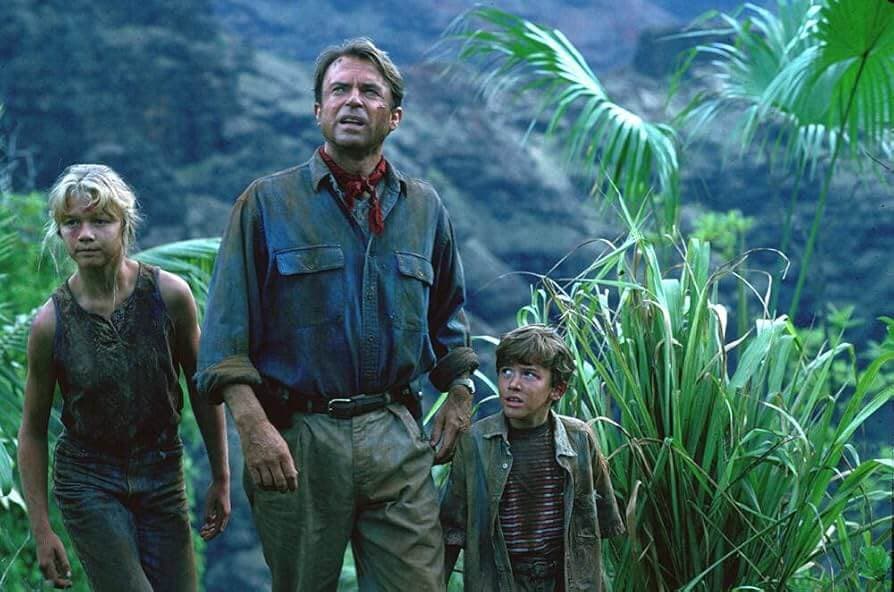
Medium shot examples are the backbone of genre filmmaking, especially when the director’s intent is to shape audience expectation—then subvert it. In both comedy filmmaking and suspense scenes, the medium shot is less about neutrality and more about orchestration. It’s a shot selection strategy that places characters in their environment, allowing space for the unexpected, the awkward, or the sinister to unfold. The best practitioners don’t simply cover dialogue; they weaponize the frame, using it as a pressure cooker or a punchline machine.
How medium shots drive comedic timing
In comedy, timing is everything, and medium shots are the director’s scalpel. A well-composed medium lets you play with rhythm: the pause before a punchline, the double-take, the reaction that lands harder than the joke itself. Think of a classic two-shot in a workplace comedy—both characters visible, tension simmering between them. The punchline drops, and because the audience sees both the delivery and the reaction in one frame, the laugh is immediate and communal. This isn’t just coverage; it’s choreography. The medium shot holds the joke in suspension, letting the audience read the room, then delivering the payoff with precision.
Using medium shots to build suspense
Medium shots are equally effective in suspense scenes, but the mechanics invert. Here, the space between characters isn’t for laughter—it’s for dread. The audience is given just enough information: a hand twitching on a table, a door slightly ajar, a glance exchanged. By keeping both the threat and the potential victim in frame, the director manipulates anticipation. The medium shot’s strength is its ambiguity. It tells you enough to worry, but not enough to relax. This is a shot selection strategy that values tension over revelation, letting the audience stew in uncertainty.
The role of off-screen space in genre scenes
What’s outside the frame is often as important as what’s inside. Medium shots excel at teasing the off-screen space—hinting at a threat, a surprise, or an impending gag. In comedy filmmaking, this might be a character oblivious to chaos erupting just out of view, the audience in on the joke before the reveal. In suspense, it’s the sense that something is about to intrude—a shadow, a sound, a presence. The medium shot is the perfect vehicle for these moments, because it creates a visual perimeter. The audience scans the edges, anticipating the punchline or the scare, primed for disruption.
Contrasting medium shots with close-ups for dramatic effect
When used strategically, the medium shot’s power is amplified by contrast. A sequence might hold in a medium, tension mounting or comedy building, then snap into a close-up for impact. In comedy, this can punctuate a reaction, turning a deadpan into a visual exclamation point. In suspense, it isolates fear or realization, breaking the spatial contract and forcing intimacy. The interplay between medium shots and close-ups is where genre filmmaking lives or dies. One sets the stage, the other delivers the blow.
Medium shot examples in genre films prove that shot selection strategy isn’t just technical; it’s emotional architecture. Whether you’re chasing laughs or tightening the screws, the medium shot is rarely neutral. It’s a tool for directors who know that what you show—and what you don’t—makes all the difference.
Medium Shots and Scene Geography: Orienting the Audience
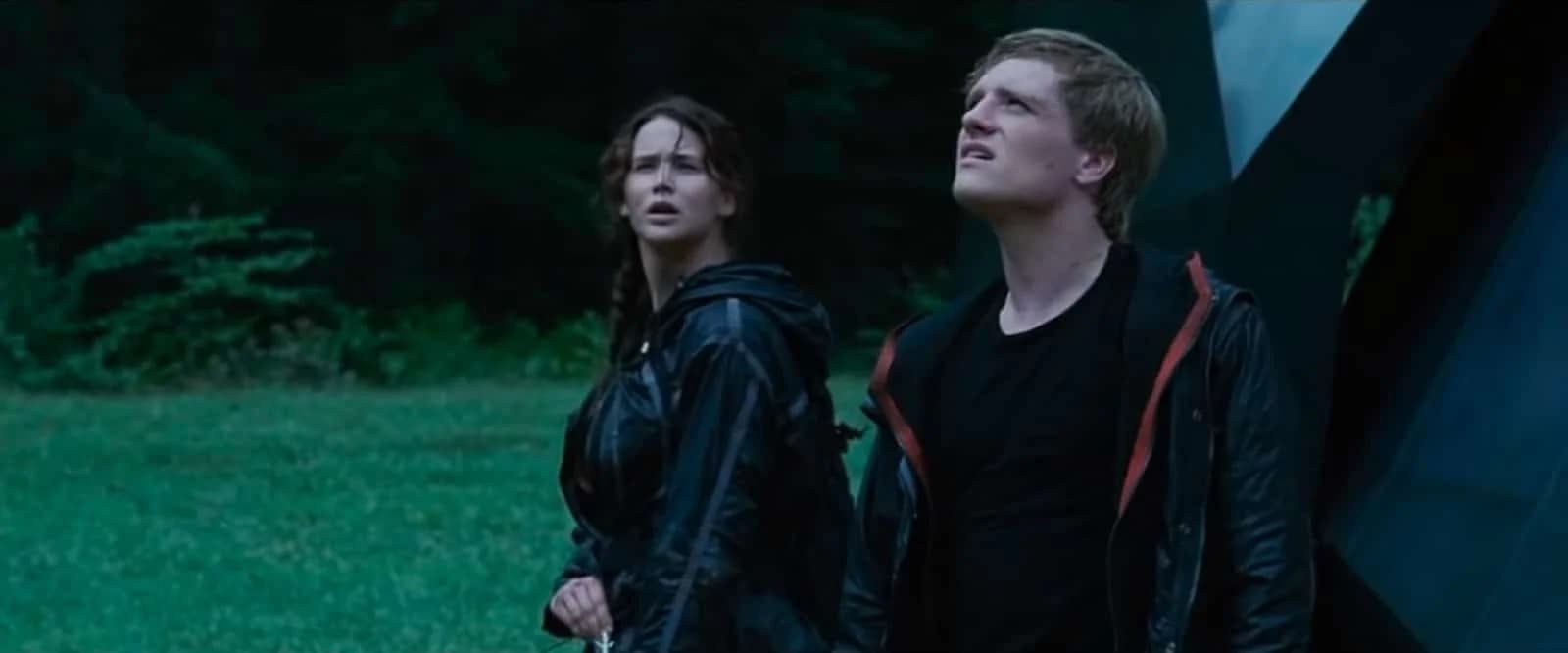
Medium shot examples for scene geography are the backbone of visual orientation. They’re the workhorses that map out the world for the audience, clarifying who’s where and what matters in the frame. On set, I’ve seen how a well-placed medium shot can do more heavy lifting for spatial awareness than any amount of dialogue or exposition. The best directors and DPs use these shots not as filler, but as deliberate tools to anchor the viewer—especially when the blocking in film is complex or the environment is unfamiliar.
How medium shots establish spatial relationships
Medium shots are the connective tissue between close-ups and wide shots. They give enough room to see bodies, not just faces, and to register the physical relationships between characters. When you block a scene, the medium shot becomes the reference point: it shows whether two people are shoulder to shoulder, across a table, or separated by a hallway. This is crucial for audience perspective. If you skip this layer, you risk disorienting the viewer—suddenly, geography collapses and the edit feels jumpy. Smart scene blocking always considers where the medium shot lands, because that’s the shot that tells the audience, “Here’s how these people fit together, here’s the playing field.”
Medium shots and background storytelling
Background elements in a medium shot aren’t just set dressing—they’re narrative signals. A character’s desk, the mess in a kitchen, the crowd behind a protagonist: all of these details contextualize the action. When I’m framing, I’m not just thinking about faces and eyelines. I’m looking for what the background says about the scene’s geography and subtext. A medium shot that integrates these elements does double duty: it orients the audience and deepens the story. Visual continuity depends on this. If you cut from a close-up to a medium shot and the background suddenly shifts, you’ve lost the thread. That’s why continuity is more than matching cups and collars—it’s about maintaining a coherent sense of space.
Transitioning between shots for clarity
Transitioning between shot sizes is where geography can fall apart—or snap into focus. The jump from a wide establishing shot to a close-up can be jarring if the audience hasn’t been given a spatial map. That’s where the medium shot lives: as the bridge. It carries the viewer from the macro to the micro, anchoring them before the camera dives in. On commercial sets with tight schedules, I’ve seen teams try to skip the medium coverage to save time. The result? Editors fighting to piece together a scene that feels grounded. You can’t cheat geography. Even a single, thoughtfully composed medium shot can rescue orientation and give the editor the coverage needed for visual continuity and rhythm.
Ultimately, medium shot examples for scene geography are not just technical necessities—they’re storytelling instruments. They give the audience the bearings they need to follow the story, understand character dynamics, and stay engaged. Every creative leader who cares about clarity on screen should treat the medium shot as a non-negotiable part of their visual language.
Creative Camera Movements with Medium Shots
Medium shots are the workhorses of commercial and branded storytelling—close enough for emotional nuance, wide enough for context. But the real magic happens when you add motion. Creative medium shot examples that leverage camera movement are often what separate a static campaign from one that feels alive and cinematic. When you combine dynamic framing with purposeful motion, you unlock new layers of narrative and energy that can’t be achieved with locked-off coverage alone.
Best camera movements for medium shots
Panning and tracking are the foundation. A lateral pan in a medium shot can reveal new information, connect characters, or shift the audience’s attention with intent. Tracking shots—whether on a dolly, slider, or Steadicam—let you glide with your subject, maintaining that medium framing as you move through space. This keeps the viewer anchored in the scene while still suggesting momentum or transition. In branded content, a dolly-in on a medium shot can intensify focus on a spokesperson’s call to action, while a lateral move can visually connect a product with its user in a single, unbroken gesture.
Handheld work is another layer. Controlled handheld medium shots inject immediacy and authenticity, especially when following a subject through a space. The trick is to balance the natural shake with enough stability to keep the shot readable—too much chaos, and you lose the impact; too little, and it feels generic. Handheld medium shots are a staple in narrative work for a reason: they bring the audience into the moment without the artifice of overt technique.
How to add energy to medium shots
Energy comes from intention, not just movement for its own sake. The best creative medium shot examples use camera movement to reflect the emotional or narrative stakes. A slow push-in can build tension or intimacy. A whip pan can punctuate a joke or a reveal. Following a character with a medium tracking shot can suggest urgency, drive, or even vulnerability, depending on pacing and lens choice. In commercial settings, these choices are rarely arbitrary—they’re mapped to the storyboard and the brand’s tone, but they still demand a cinematographer’s instinct for rhythm and flow.
Even subtle moves matter. A slight dolly or slider adjustment during a medium shot can keep the frame alive, especially during dialogue-heavy scenes or interviews. This isn’t about showing off—it’s about keeping the viewer engaged without distracting from the message.
Combining movement and composition for dynamic shot design
Dynamic framing is the art of making every medium shot count. It’s not just about where the camera moves, but how movement interacts with composition. If you’re tracking a subject, consider how foreground and background elements shift within the frame. Use movement to reveal, conceal, or recontextualize—perhaps sliding past a foreground object to introduce a new layer of meaning, or using a pan to transition between two related actions within the same space.
Balance is critical. Too much movement can dilute a medium shot’s clarity; too little, and you risk monotony. The most effective camera movement techniques with medium shots are those that serve the story and respect the blocking. In a commercial, you might use a medium dolly shot to follow a product handoff, letting the motion echo the brand’s promise of connection or momentum. In narrative, a medium pan might trace a character’s shifting loyalties during a crucial conversation.
Ultimately, creative medium shot examples that integrate camera movement aren’t just technical flourishes—they’re storytelling tools. The goal is always to heighten the moment, clarify the message, and keep the audience visually invested. When you master the interplay of movement and framing, you elevate the medium shot from coverage to craft.
Trade-Offs and Pitfalls: When Medium Shots Don’t Work
The medium shot is a workhorse, but every tool has its limits. Understanding medium shot limitations is as much about knowing when not to use them as it is about mastering their strengths. Overreliance on the medium can flatten a film’s visual language, dilute emotional moments, and create logistical headaches—especially in complex or crowded scenes. This isn’t theory. It’s what happens when the default becomes a crutch, not a choice.
When Not to Use a Medium Shot
Medium shots are ill-suited for moments demanding intimacy or spectacle. When a scene hinges on raw emotion—a character’s internal world cracking open, for example—a close-up is non-negotiable. The medium shot, by design, keeps the audience at arm’s length. On the other end, when scale matters—revealing a sprawling location, or the choreography of multiple actors—a wide shot delivers context that mediums simply can’t. In high-stakes commercial work, where product or brand details must land with precision, the medium can muddy the message, neither showing enough nor focusing tightly enough.
Common Mistakes with Medium Shots
The most prevalent shot selection mistakes stem from defaulting to mediums for coverage. Directors and DPs under pressure—tight schedules, tight budgets—often reach for the medium as a safe bet. The result is visual monotony: a reel of scenes that blur together, each framed with the same emotional distance. Worse, critical beats can get lost. A tear goes unnoticed, a brand logo is just out of focus, or a key reaction is missed. Mediums also complicate blocking in ensemble scenes. Too many bodies in the frame and the shot loses clarity; too few, and the composition feels empty.
Balancing Shot Variety in Filmmaking
Mitigating filmmaking pitfalls starts with intentionality in shot selection. Storyboards and shot lists should flag emotional peaks and narrative pivots—moments that demand breaking the medium mold. On set, resist the urge to “just get coverage.” Instead, ask: What does this beat really need? Sometimes it’s a close-up, sometimes it’s a wide, sometimes it’s negative space. Lean on your editor’s instincts too; shot variety in editing is what gives rhythm and contrast to the final piece. A sequence built from nothing but mediums is a flatline—technically competent, but emotionally inert.
There’s no virtue in coverage for its own sake. The best cinematographers calibrate their approach with the story, the brand, and the audience in mind. They know when to break their own habits. Avoiding these filmmaking mistakes to avoid isn’t about rejecting medium shots outright—it’s about refusing to coast on autopilot. Every frame should earn its place, or it’s just another missed opportunity for impact.
Building Your Shot List: Integrating Medium Shot Examples Effectively
Medium shot examples in shot lists are not filler—they’re deliberate choices that shape both narrative clarity and visual rhythm. The medium shot is the workhorse of filmmaking, grounding your viewer in context while maintaining intimacy with your subject. But integrating these shots into a shot list isn’t just a matter of sprinkling them evenly. It’s about intent, balance, and communication.
How to plan medium shots in a shot list
Start with the script or creative brief. Identify story beats where character interaction, body language, or spatial relationships drive the scene. These are prime candidates for medium shots. During shot list planning, ask: What information does the audience need in this moment? If the answer is both emotional nuance and environmental context, a medium shot delivers.
For branded content, consider when a product or brand interaction needs to feel natural—medium shots excel at avoiding the artificiality of close-ups while still keeping the subject front and center. In narrative work, use them to anchor dialogue scenes or transitions, giving the editor options beyond static wides or relentless close-ups.
Integrating medium shots with other camera angles
Medium shots should punctuate, not dominate. Review your shot list for redundancy: are you stacking similar framings back-to-back, or does each shot size serve a distinct narrative purpose? A well-constructed shot list alternates between wide, medium, and close shots to create a visual cadence. Medium shots often bridge the gap—providing context after a wide, or setting up a close-up for emotional payoff.
Collaborate with your director and production designer to ensure that medium shots capture meaningful blocking and set elements. For commercial shoots, this might mean positioning talent so product, branding, or set design details are legible but not forced. For narrative, it’s about capturing the subtext in posture, gesture, and proximity.
Shot list templates for filmmakers
Templates are starting points, not formulas. Any effective shot list template should include columns for shot size, angle, description, and intended purpose. When adding medium shot examples in shot lists, be explicit about what the shot achieves—does it establish a relationship, reveal a reaction, or transition between story beats?
During pre-production planning, annotate your medium shots with notes for lighting, movement, or lens choice. This makes your intent legible to the gaffer, camera team, and even the client. A well-annotated shot list streamlines the filmmaking workflow and minimizes on-set confusion.
Reviewing and revising for narrative flow
The first pass at a shot list is rarely the last. After drafting, step back and review the sequence: Does the progression of shot sizes support the emotional arc? Are your medium shots pulling their weight, or could a different angle or size serve better? Invite feedback from collaborators, especially those who’ll be in the edit suite. They’ll spot where a medium shot offers a crucial connective tissue—or where it slows the pace.
In the end, integrating medium shot examples in shot lists is about more than coverage. It’s about shaping perspective, guiding attention, and building a visual language that serves both story and strategy. The best shot lists are living documents—crafted, tested, and refined until every medium shot earns its place.
Conclusion
Medium shots are the backbone of effective visual storytelling. They occupy the space between the intimacy of close-ups and the contextual sweep of wide shots, grounding the narrative in a way that feels both immediate and true. A well-executed medium shot does more than simply show a subject—it frames their actions and reactions within their environment, connecting performance to place and intention to atmosphere. This is the shot that lets us read a character's body language while still registering the world they're moving through. In commercial work, it’s where brand and human moment intersect; in narrative, it’s where dialogue and subtext play out in equal measure.
Understanding the medium shot definition isn’t just about knowing its technical parameters. It’s about recognizing its role in the shot composition guide every filmmaker should carry in their head. The medium shot is the workhorse: versatile, unobtrusive, and able to shift tone with a slight adjustment in angle or lens. It’s the shot that keeps editors sane in post, offering coverage that bridges wide and tight frames without breaking visual continuity. When the schedule is tight and the client wants options, a strong medium shot is often the safest bet for a sequence that will cut cleanly and communicate clearly.
But the real impact of medium shots lies in their ability to balance subject and environment. Too close, and you lose context; too wide, and you risk diluting emotional focus. The medium shot is where those two imperatives meet. It’s the axis around which shot variety turns, giving directors and cinematographers the flexibility to modulate pace, emphasis, and mood. In practical terms, it’s often the first shot you block on set, the one you return to when coverage starts to thin, and the anchor point for visual storytelling that needs to move efficiently without sacrificing depth.
Every filmmaker, regardless of genre or budget, relies on a strong command of camera shot sizes to communicate narrative clarity. Medium shots are not just a midpoint—they’re a strategic choice that shapes how stories are seen and felt. They remind us that effective filmmaking is less about spectacle and more about precision: knowing when to step in, when to pull back, and how to keep the audience exactly where you want them, one frame at a time.
FAQs
What are medium shot examples in film?
Medium shots are everywhere in cinema, often framing characters from the waist up. Classic examples include the diner booth scenes in "Pulp Fiction," where Tarantino lets dialogue and body language share the frame, or the two-shots in "The Social Network" during depositions, balancing character interplay and environment. These shots anchor the viewer in the scene’s emotional and spatial context.
How to use medium shots for comedic effect?
Medium shots excel at capturing physical comedy and reaction timing. By including both the performer’s face and upper body, you let the audience catch subtle gestures, awkward pauses, or sight gags that would be lost in close-up. Think of the deadpan exchanges in "The Office," where the framing keeps both the joke and the reaction in play.
What is the definition of a medium shot?
A medium shot frames a subject from roughly the waist to the top of the head. It’s the workhorse of coverage—close enough to read emotion, wide enough to show posture and some background. This shot bridges the intimacy of close-ups and the context of wide shots, making it foundational in visual storytelling.
When to use medium shots in film?
Use medium shots when you need to balance character presence with environmental context. They’re ideal for dialogue scenes, group dynamics, or moments where physicality matters. Medium shots also help maintain visual rhythm, allowing for smooth transitions between wider establishing shots and tighter emotional beats.
What are the types of medium shots?
Medium shots come in several flavors: the standard medium shot (waist up), medium close-up (chest or shoulders up), and the two-shot (two subjects in frame). There’s also the over-the-shoulder, which is technically a medium but adds a conversational perspective, commonly used in dialogue-heavy scenes.
How do medium shots enhance dialogue scenes?
Medium shots allow for a dynamic exchange between characters. They capture facial nuance, hand gestures, and posture—all crucial for authentic dialogue. Directors use them to create a sense of space and rhythm, letting the audience feel present in the conversation without sacrificing emotional detail.
What are common mistakes with medium shots?
Pitfalls include flat staging, careless headroom, or over-reliance on the shot as generic coverage. A poorly composed medium shot can drain energy from a scene, making performances feel static or disconnected. Always consider blocking, background, and lens choice to keep the frame active and purposeful.
.webp)
Creative Collaboration Platform: The Backbone of Modern Creative WorkWhat is a creative collaboration platform?Clapboard defines a creative collaboration platform as the operational core for today’s distributed creative teams. This is not a collection of digital collaboration tools stitched together; Clapboard’s system
Understanding the Creative Production MarketplaceWhat is a Creative Production Marketplace?Clapboard defines a creative production marketplace as a structured ecosystem where brands, agencies, and production talent converge to execute video, advertising, and branded content at scale. Unlike the legacy agency or freelanREAD FULL ARTICLE
The Urgent Need for a Creative Production Operating SystemWhy Traditional Creative Production Models Break DownClapboard sees the creative production landscape shifting under pressure. Content velocity is no longer a buzzword—it’s a mandate. Modern advertising demands relentless output across dozens of channels, each wREAD FULL ARTICLE
JOIN THE NEWSLETTER.
Content Production insights, videos, books, and freebies, delivered to your inbox weekly


LEAVE A COMMENT
Your email address will not be published.