Uber Eats Brings Paris Hilton to The Zoo Life in 2022
Uber Eats launched The Zoo Life with Paris Hilton as an episodic film campaign in the United States in July 2022, using celebrity-driven narrative to reinforce the platform's anything-delivery positioning across the US market.
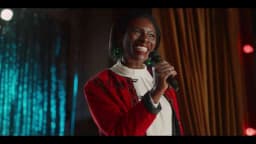
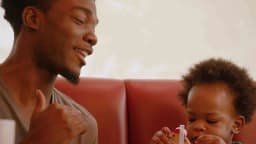
The campaign centres on Paris Hilton navigating zoo life alongside the Irwin family, with food delivery woven into the comedic premise. At least three distinct executions were produced, with the documented asset titled The Zoo Life with Paris Hilton Episode 3 carrying the comedic anchor line: "Somebody get Todd a pizza, stat." The episodic format separates this Uber Eats campaign from single-spot celebrity endorsements, giving the brand a serialised content vehicle capable of sustaining audience attention across multiple releases rather than a single broadcast moment.
In the United States, the campaign arrived during a period of intensifying competition in the food and beverage delivery sector, where Uber Eats was actively competing against DoorDash and Instacart for both order volume and consumer mindshare. The Zoo Life with Paris Hilton sits within a broader Uber Eats creative lineage that includes the internationally recognised Tonight I'll Be Eating campaign, which ran from 2019 through 2020 and featured celebrity pairings such as Mark Hamill with Patrick Stewart and Simone Biles with Jonathan Van Ness, according to brandvm.com. That campaign produced fifteen executions worldwide and was adapted specifically for the United States and Canada in September 2020, per the same source. The Zoo Life with Paris Hilton extends this celebrity-narrative tradition while shifting from paired celebrity contrast to a sustained, environment-specific comedic scenario. Clapboard scores this campaign 63 out of 100, reflecting competent execution of an established formula with moderate creative ambition.
Uber Eats built The Zoo Life with Paris Hilton on a strategic insight that celebrity familiarity reduces friction in delivery app consideration. Paris Hilton's cultural persona — part luxury brand, part self-aware comedy — gave the campaign a tone that neither pure aspirational advertising nor straightforward product demonstration could achieve on its own.
The strategic context in the United States is significant. The global online food-delivery market was estimated above 150 billion dollars in 2022, having roughly tripled over the preceding five years, according to datainsightsmarket.com. In the same year, global delivery-aggregator gross transaction value reached approximately 379 billion dollars, representing year-over-year growth of around six percent, per macquarie.com. In the US market specifically, Uber Eats was competing directly with DoorDash, which held the leading position in domestic market share, and with Instacart, which was expanding its grocery and general merchandise delivery capabilities. Against this competitive backdrop, Uber Eats required creative work that reinforced both brand warmth and platform breadth — the idea that the app delivers more than restaurant meals.
This positioning connects directly to the preceding Uber Don't Eats campaign launched in 2021, which communicated the platform's expansion beyond restaurant food through appearances by Jennifer Coolidge, Nicholas Braun, Trevor Noah, and Gwyneth Paltrow, according to ispot.tv. The Zoo Life with Paris Hilton carries that same expansive delivery message forward, embedding it within a scenario — a zoo — that is inherently associated with unpredictable needs and on-demand logistics. Paris Hilton herself reflected on the filming experience, stating "The Irwins have become my ZFFs — they're my zoo fam forever. It was so much fun filming these segments with them," as reported by campaignbrief.com. That sense of genuine engagement translates into on-screen chemistry that purely scripted talent rarely produces.
The Zoo Life with Paris Hilton uses an episodic film structure to sustain creative momentum across multiple releases. Each episode functions as a self-contained comedic scenario while contributing to a cumulative brand impression, a format that favours streaming and social platform distribution where audience return behaviour can be tracked and rewarded.
The zoo setting provides natural comedic infrastructure. Animals, unpredictable behaviour, and the contrast between Paris Hilton's signature glamour aesthetic and the physical reality of a working zoo create visual comedy without requiring elaborate scripted construction. The recurring food-delivery payoff — most explicitly in Episode 3 with the pizza line — grounds the entertainment in the product benefit without interrupting the comedic register. This integration approach reflects a mature understanding of how celebrity-led content can fail when the brand message feels appended rather than embedded.
Paris Hilton's participation appears to reflect genuine investment in the material. As she told ELLE Australia in May 2022, "I love going back and doing things like this, because it just makes me more comfortable," suggesting a comfort with unscripted or semi-improvised situations that suits the zoo environment's inherent unpredictability. The production captures that ease, giving episodes a naturalistic quality that distinguishes them from more formally staged celebrity advertising. Production credits for The Zoo Life with Paris Hilton are not publicly documented beyond Paris Hilton's confirmed on-camera role and the Irwin family's participation as co-talent. The creative agency for the US market campaign has not been publicly disclosed. The campaign's film assets were distributed via the official Uber Eats YouTube channel, with Episode 3 alone accumulating over 103,000 views, according to the documented asset data cited by clapboard.com.
The Zoo Life with Paris Hilton generated documented viewership. Episode 3 alone recorded over 103,000 views on the Uber Eats YouTube channel, according to clapboard.com, with 55 likes recorded against that view count. While the like-to-view ratio is modest, YouTube viewership figures for brand content of this type are often driven by paid promotion rather than organic discovery, which limits the interpretive value of engagement ratios as a standalone metric.
No independently verified performance data covering conversion rates, order volume uplift, or brand tracking shifts for The Zoo Life with Paris Hilton is publicly available for the United States market. What the documented evidence does confirm is that the campaign achieved the threshold of a multi-episode release, suggesting Uber Eats committed sufficient production resource to sustain the format beyond a single asset test.
Structurally, the episodic model creates compounding brand exposure advantages that a single hero film cannot replicate. Each episode re-engages an audience already familiar with the premise, reducing the cognitive load required to process the brand message and allowing the comedy to carry more of the creative weight. In a US market where Uber Eats faces sustained pressure from DoorDash's dominant share position, campaigns that build cumulative familiarity rather than spike-and-fade awareness carry strategic value that individual viewership numbers do not fully capture. The Clapboard Score of 63 out of 100 reflects a campaign that executes its formula with reliability but does not substantially redefine the celebrity-delivery-ad genre it occupies.
The Zoo Life with Paris Hilton is an episodic film campaign Uber Eats published in the United States in July 2022. It features Paris Hilton alongside the Irwin family in a zoo setting, with food delivery woven into comedic scenarios across at least three separate episodes, according to clapboard.com.
The Uber Eats Zoo Life campaign includes at least three identified episodes. Episode 3, subtitled Somebody get Todd a pizza stat, is the most documented asset and recorded over 103,000 views on the Uber Eats YouTube channel, according to clapboard.com. The full episode count has not been independently confirmed beyond three.
The creative agency behind The Zoo Life with Paris Hilton for the US market has not been publicly disclosed. No agency attribution appears in available campaign documentation. Paris Hilton's on-camera role and the Irwin family's participation as co-talent are the only publicly confirmed creative contributors to this Uber Eats advertisement.
The Zoo Life with Paris Hilton continues a celebrity-narrative tradition Uber Eats established with Tonight I'll Be Eating from 2019 to 2020 and Uber Don't Eats in 2021. Each campaign used recognisable talent to communicate platform breadth, according to brandvm.com and ispot.tv. The Zoo Life shifts the format to a sustained episodic structure rather than one-off celebrity pairings.
Paris Hilton served as the primary on-camera talent for the Uber Eats Zoo Life campaign, filming alongside the Irwin family at a zoo location. She described the Irwins as her zoo fam forever and cited genuine comfort with the filming experience, as reported by campaignbrief.com and ELLE Australia in 2022.
Uber Eats The Zoo Life with Paris Hilton received a Clapboard Score of 63 out of 100. The score reflects competent delivery of an established celebrity-endorsement formula within the US food and drink category, with moderate creative ambition that does not substantially redefine the genre it operates within.
.webp)
Creative Collaboration Platform: The Backbone of Modern Creative WorkWhat is a creative collaboration platform?Clapboard defines a creative collaboration platform as the operational core for today’s distributed creative teams. This is not a collection of digital collaboration tools stitched together; Clapboard’s system


Understanding the Creative Production MarketplaceWhat is a Creative Production Marketplace?Clapboard defines a creative production marketplace as a structured ecosystem where brands, agencies, and production talent converge to execute video, advertising, and branded content at scale. Unlike the legacy agency or freelanREAD FULL ARTICLE

The Urgent Need for a Creative Production Operating SystemWhy Traditional Creative Production Models Break DownClapboard sees the creative production landscape shifting under pressure. Content velocity is no longer a buzzword—it’s a mandate. Modern advertising demands relentless output across dozens of channels, each wREAD FULL ARTICLE