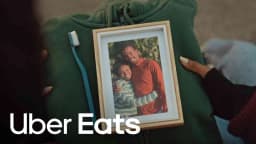
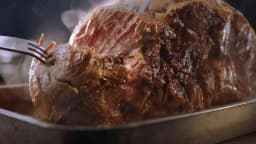
The 'Eat Local' campaign by Uber Eats, launched in the United States in September 2022, positions the brand as a seamless gateway to discovering and enjoying local dining options through its app. The core brand proposition centers on offering users convenient access to a curated selection of neighborhood favorites, enhancing the experience of local exploration by bringing diverse food choices directly to their fingertips. This conveys Uber Eats not merely as a delivery service but as a platform that fosters connection to one's community and supports local businesses.
From a market strategy perspective, the campaign leverages the growing consumer trend towards valuing localism and unique food experiences, tapping into an emotional and cultural insight that consumers want to support their local economies and discover hidden culinary gems. By framing the app as a tool for exploration—"Explore your local like you never have before"—the narrative appeals to customers seeking both convenience and authenticity. The collaboration with musical duo Peking Duk adds a cultural layer that aims to enhance engagement through creative storytelling. Targeting tech-savvy, urban consumers who appreciate both efficiency and local discovery, the campaign uses a narrative film format to convey this message visually and emotionally, differentiating Uber Eats in a competitive food delivery market. The hashtag #EatLocal amplifies this focus and encourages social sharing, reinforcing community connection. Overall, the campaign strategically blends digital convenience with local authenticity to strengthen Uber Eats’ relevance among consumers interested in supporting their local food scene.
FORMAT#6 BENEFIT CAUSES STORY — Builds a story where the product’s benefit is the reason for the action or twist.
This campaign relies on the central benefit of Uber Eats—access to a wide range of local favorites at your fingertips—to motivate and structure the narrative. The phrase “Explore your local like you never have before” directly signals that the story, setting, or actions are driven by what Uber Eats enables, not just the product itself appearing at the resolution. There’s no explicit problem/solution arc or overt demonstration, nor clear cues about comparison, testimonial, parody, or exaggeration. The benefit (new local experiences via Uber Eats) is the catalyst that causes the narrative to unfold, making format #6 the strongest match.
1. DoorDash – Market Positioning
DoorDash positions itself as the most expansive and convenient food delivery platform in the US, emphasizing fast delivery, a vast restaurant selection including local and national chains, and innovative features like DashPass subscription for free delivery. Their focus on partnerships with diverse eateries and quick service aims to provide a seamless, reliable customer experience.
2. Grubhub – Market Positioning
Grubhub highlights its strong relationships with restaurants, especially independent and local establishments, positioning itself as a champion of neighborhood dining. It leverages a large network and data-driven recommendations to offer variety and convenience, focusing on easy ordering and customer loyalty through rewards and promotions.
3. Postmates – Market Positioning
Postmates, now integrated with Uber Eats, originally differentiated itself through on-demand delivery of not just food but also groceries, alcohol, and other everyday essentials. Their positioning revolved around convenience and versatility, catering to immediate consumer needs beyond typical restaurant delivery.
4. Lyft (Delivery Service) – Market Positioning
Lyft’s entry into food delivery focused on leveraging its existing ride-share network to offer quick and reliable local deliveries with an emphasis on community support and sustainability. They position themselves as a trusted and personable local delivery partner aiming to provide a complementary service to their core mobility business.
5. Caviar – Market Positioning
Caviar targets a more upscale, curated food delivery market by partnering with premium and high-end restaurants that typically don’t offer delivery. Its strategic angle focuses on quality and exclusivity, appealing to discerning foodies who prioritize gourmet experiences delivered to their doorstep.
Q: What is Uber Eats presents Eat Local. A film by Peking Duk. | Uber Eats about?
A: Uber Eats presents Eat Local. A film by Peking Duk. | Uber Eats is a 2022 campaign launched in the United States by Uber Eats, focusing on exploring local dining options through its app. The campaign uses a narrative film format created in collaboration with the musical duo Peking Duk to highlight the convenience of accessing neighborhood favorites at users’ fingertips. It positions Uber Eats as more than a delivery service, emphasizing community connection and support for local businesses by encouraging consumers to discover and enjoy their local food scene like never before.
Q: What creative device does Uber Eats presents Eat Local. A film by Peking Duk. | Uber Eats use?
A: The campaign employs Clapboard’s FORMAT#6 BENEFIT CAUSES STORY creative classification, where the product’s benefit drives the narrative. In this case, the central benefit of Uber Eats—easy access to a wide range of local favorites—serves as the catalyst for the story’s unfolding. The phrase “Explore your local like you never have before” signals that the narrative and actions are motivated by what the app enables, rather than focusing on traditional problem-solution or testimonial formats. This approach integrates the brand’s core advantage directly into the storytelling.
Q: What is the campaign proposition for Uber Eats presents Eat Local. A film by Peking Duk. | Uber Eats?
A: The campaign proposition positions Uber Eats as a seamless gateway to discovering and enjoying local dining through its app, targeting tech-savvy urban consumers who value both convenience and authenticity. It emphasizes supporting local businesses and fostering community connection by offering curated neighborhood favorites at users’ fingertips. By framing the app as a tool for exploration, the campaign taps into consumer trends favoring localism and unique food experiences, reinforcing Uber Eats’ role as a platform that blends digital convenience with local authenticity in the competitive food delivery market.
Q: How does Uber Eats presents Eat Local. A film by Peking Duk. | Uber Eats rank in Clapboard's archive?
A: Uber Eats presents Eat Local. A film by Peking Duk. | Uber Eats holds a Clapboard Campaign Score of 54/100. This score reflects the campaign’s creative ambition, execution quality, and cultural relevance as assessed by Clapboard’s global ad archive.
Q: Who are the competitors in Uber Eats' category?
A: Uber Eats competes with DoorDash, which positions itself as the most expansive and convenient food delivery platform in the US, emphasizing fast delivery and a vast restaurant selection. Grubhub focuses on strong relationships with local and independent restaurants, promoting neighborhood dining and customer loyalty. Postmates, now part of Uber Eats, originally differentiated through on-demand delivery of food and everyday essentials. Lyft leverages its ride-share network to offer quick, reliable local deliveries with a community and sustainability focus. Caviar targets an upscale market by partnering with premium restaurants to provide gourmet delivery experiences.


 ARCHIVE
.webp)