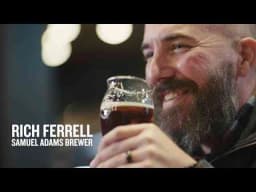
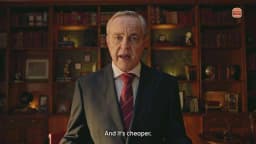
The 'Taste Challenge' campaign by Pepsico, executed in Uzbekistan in 2022, sought to reinforce the brand’s proposition of authenticity and confidence in the unique flavor of Pepsi products. By inviting participants across all regions to engage directly with the taste test, the campaign emphasized transparency and consumer trust, positioning Pepsi as a beverage that stands out amidst competitors through a sensory, participatory experience.
The market strategy leveraged a well-established global format, the "Pepsi Taste Challenge," adapted to the local Uzbek context for the fourth consecutive year, highlighting both continuity and relevance. The use of a visually striking, trendy Pepsi truck as a mobile activation created a tangible, approachable touchpoint that expanded reach beyond traditional media channels. This creative angle enabled direct engagement with a diverse audience across multiple regions, fostering inclusive brand interaction and community involvement. The campaign’s performance-driven approach, embodied in its regional scale and interactive format, addressed the insight that experiential credibility can sway consumer preference in a market where beverage choice is often influenced by firsthand taste validation. Overall, the campaign strategically married a global concept with localized execution to enhance brand presence through immersive consumer participation.
FORMAT#4 CONTRAST WITH THE COMPETITION — Explicitly compares the product to competitors to show superiority. The campaign’s central premise is the Pepsi Taste Challenge, an upgraded, recurring event where participants sample Pepsi versus other colas to see which tastes better—a direct competitive comparison at the very core of the concept. Narrative cues like inviting everyone to participate in the taste test and emphasizing the “challenge” underscore this classic head-to-head format. The performance genre and “Taste Challenge” title both indicate the act of demonstrating product superiority via real-time comparison, matching FORMAT#4 perfectly. ADVERTISING FORMATS EXPLAINED: https://www.clapboard.com/blog/branding-and-advertising/brand-strategy/12-advertising-creative-formats
1. Coca-Cola – Market Positioning
Coca-Cola positions itself as the iconic, global leader in the non-alcoholic beverage market, emphasizing timeless taste, emotional connection, and widespread availability. It leverages strong brand heritage, extensive distribution networks, and innovative marketing campaigns that combine tradition with modernization, appealing to all age groups in Uzbekistan.
2. Nestlé – Market Positioning
Nestlé focuses on delivering quality food and beverage products with a strong emphasis on health, nutrition, and wellness. Its product range in Uzbekistan targets families seeking trusted, nutritious options, balancing indulgent treats with healthier alternatives, supported by clear communication about product benefits and sustainability.
3. Red Bull – Market Positioning
Red Bull dominates the energy drink segment by promoting an adventurous and dynamic lifestyle. It differentiates itself through high-energy marketing activities, sponsoring extreme sports and youth culture events, appealing to young urban consumers in Uzbekistan who seek stimulation, performance, and trendiness.
4. Mirinda (by Pepsico) – Market Positioning
Mirinda leverages vibrant, fun, and youthful branding to capture the flavored soda market segment. It is positioned as a playful, fruit-flavored alternative to cola drinks in Uzbekistan, targeting teenagers and young adults with fresh, colorful advertising and flavor variety, reinforcing Pepsico’s reach across different taste preferences.
5. BonAqua (by Coca-Cola) – Market Positioning
BonAqua is positioned as a pure, accessible bottled water brand delivering hydration with a clean and refreshing experience. In Uzbekistan, it addresses growing consumer awareness about health and wellness, emphasizing quality sourcing and affordability in both urban and rural markets.
Q: What is Taste challenge about?
A: Taste challenge is a 2022 campaign created by the ad agency Synthesis for Pepsico in Uzbekistan. It represents the fourth consecutive year the global Pepsi Taste Challenge has been adapted for the Uzbek market, covering all regions of the country. The campaign’s central creative idea involved a trendy, visually striking Pepsi truck traveling across Uzbekistan to invite consumers to participate in a live taste test comparing Pepsi with competitor colas. This mobile activation aimed to engage a broad audience directly, reinforcing Pepsi’s brand presence through an interactive and experiential format.
Q: What creative device does Taste challenge use?
A: Taste challenge employs the FORMAT#4 CONTRAST WITH THE COMPETITION creative device as classified by Clapboard’s 12-format taxonomy. This format explicitly compares Pepsi’s product against competitors to demonstrate its superiority. The campaign’s core concept is a head-to-head taste test where participants sample Pepsi alongside rival colas, emphasizing transparency and confidence in Pepsi’s unique flavor. The narrative invites widespread participation in the challenge, making the competitive comparison the focal point of the campaign’s performance genre.
Q: What is the campaign proposition for Taste challenge?
A: The campaign proposition for Taste challenge centers on reinforcing Pepsico’s authenticity and confidence in the distinct flavor of Pepsi products. By inviting consumers from all regions of Uzbekistan to participate in a direct taste test, the campaign emphasizes transparency and builds consumer trust. This participatory experience positions Pepsi as a beverage that stands out amid competitors through sensory validation. The strategy marries a well-known global format with localized execution, creating an immersive brand interaction that resonates in a market where firsthand taste experience heavily influences beverage choice.
Q: How does Taste challenge rank in Clapboard's archive?
A: The Taste challenge campaign holds a Clapboard Campaign Score of 54/100. This score reflects the campaign’s creative ambition, execution quality, and cultural relevance as assessed by Clapboard’s global ad archive. The rating provides an objective measure of the campaign’s overall impact within the advertising landscape, based on its strategic and creative merits.
Q: Who are the competitors in Pepsico's category?
A: Pepsico’s key competitors in the Uzbekistan non-alcoholic beverage market include Coca-Cola, which positions itself as the iconic global leader emphasizing timeless taste and emotional connection; Nestlé, which targets families with a focus on health, nutrition, and wellness; Red Bull, which dominates the energy drink segment through high-energy marketing and youth culture sponsorships; Mirinda, a Pepsico brand positioned as a playful, fruity alternative appealing to younger consumers; and BonAqua, Coca-Cola’s bottled water brand emphasizing purity, quality sourcing, and affordability in both urban and rural markets.


 ARCHIVE
.webp)