The Wildlife Trusts and Don't Panic London reimagined Wind in the Willows as a faux film trailer to expose a century of UK wildlife habitat destruction in 2019.

How The Wildlife Trusts Turned Wind in the Willows Into a Conservation Warning
The Wildlife Trusts launched a two-minute animated film in March 2019, presenting itself as an official trailer for a fictional Wind in the Willows movie but functioning as a public service warning about the destruction of UK wildlife habitats over the preceding century.
The campaign, titled Wind in the Willows: Official Trailer, was created by London-based agency Don't Panic and released on 28 March 2019 across social media and more than 500 cinemas throughout the United Kingdom. It sits at the centre of The Wildlife Trusts' broader Wilder Future platform, which sought to unify the communications of the organisation's regional network around a single, emotionally resonant national narrative. The strategic decision to deploy a beloved piece of British cultural heritage — Kenneth Grahame's Wind in the Willows — was deliberate: Mole, Ratty, Toad and Badger occupy habitats that mirror precisely those under threat from development, road construction, intensive agriculture, and pollution across the United Kingdom. By presenting the trailer as though it were a genuine cinema release, Don't Panic created an initial moment of delight that gave way to genuine alarm as the audience understood the environmental stakes being communicated. The Clapboard Score for this campaign stands at 78 out of 100, reflecting strong creative ambition and cultural resonance within the public service category.
The campaign represented a new strategic direction for The Wildlife Trusts, an organisation with, as reported by shots.net, a century of credible conservation work behind it but limited front-of-mind public awareness. The Wind in the Willows Official Trailer was designed to close that gap, reaching audiences in the United Kingdom who might never engage with conventional environmental messaging but would instinctively respond to a culturally familiar story told in an unexpectedly urgent register.
The Wildlife Trusts identified a specific strategic problem before briefing Don't Panic. As documented by shots.net and Little Black Book, the organisation possessed deep public credibility but lacked the front-of-mind prominence necessary to drive mass behaviour change or political pressure at scale in the United Kingdom. Shock imagery and statistics — the conventional grammar of environmental campaigns — had, over decades of use by organisations including Greenpeace and WWF, produced a degree of audience fatigue that risked blunting any direct message The Wildlife Trusts might deploy. Don't Panic's response was to sidestep that register entirely.
By framing the Wind in the Willows Official Trailer as a genuine cinema release, the agency exploited the psychological contract audiences hold with entertainment. Viewers in the United Kingdom who encountered the trailer — whether in a cinema seat or on a social media feed — experienced an initial response of anticipation and nostalgia before the narrative pivoted to reveal habitat destruction, road-building through ancient woodland, and the collapse of species populations. According to lbbonline.com, the campaign was built around creating a new, diverse and progressive identity for The Wildlife Trusts, one that could attract audiences who had not previously considered themselves conservation supporters. The use of Wind in the Willows specifically addressed a dual audience: older viewers with a direct emotional attachment to the source material, and younger audiences familiar with the characters through adaptations and school curricula.
The competitive landscape for conservation communications in the United Kingdom is crowded. Organisations such as the RSPB and the National Trust command significant public recognition, and both invest substantially in brand communications. The Wildlife Trusts' decision, as reported by Creative Salon, to position itself through a culturally unified national campaign rather than through regional messaging represented a meaningful strategic shift designed to compete for attention and donor consideration in a market where conservation brands increasingly operate on similar emotional terrain.
Don't Panic London produced the Wind in the Willows Official Trailer in partnership with animation studio ROWDY, bringing together a creative team whose individual credits span commercial, documentary, and arts film. The film was directed and produced by Matthew Day, who also served as director of photography, with Thomas Harnett O'Meara co-directing and co-producing, as documented by thomasharnettomeara.com. The animation was executed by a team including Andy Biddle, Tobias Fouracre, Anthony Farquhar Smith, and Max Martin, according to campaignlive.co.uk.
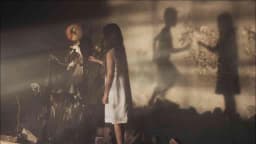
On the agency side, creative partner Rick Dodds led the creative direction alongside senior creative George McCallum and creative Alice Dowdall, with agency producer Huw Allen overseeing production. The decision to employ a hand-crafted animation aesthetic rather than digital polish was central to the film's emotional register. The visual style evokes the original E.H. Shepard illustrations and the tradition of British animated storytelling, establishing an immediate sense of warmth and familiarity that the narrative then deliberately subverts as industrial development encroaches on the riverbank.
The voice cast delivered the campaign's cultural authority. Sir David Attenborough, Stephen Fry, Catherine Tate, Alison Steadman, and Asim Chaudhry each lent recognisable voices to characters in the film, as reported by lbbonline.com and shots.net. Attenborough's presence in particular anchored the film's environmental credibility; his association with wildlife storytelling in the United Kingdom carries a weight of public trust that no written statistic can replicate. The campaign's theatrical distribution was enabled by cinema media donated by Digital Cinema Media, according to lbbonline.com, allowing the trailer to run across more than 500 UK cinemas for a two-week period beginning on 29 March 2019. Teaser film posters ran across locations from London to Glasgow in advance of the trailer's release, as reported by adsoftheworld.com, reinforcing the fiction of an imminent cinematic event.
No independently audited third-party performance data for the Wind in the Willows Official Trailer is publicly available, and the figures in circulation originate primarily from agency and client-reported sources. With that caveat noted, the scale of reported reach is nonetheless instructive for understanding the campaign's structural effectiveness within the United Kingdom public service category.
According to The Wildlife Trusts' 2019–20 annual report, as cited by wildlifetrusts.org, the campaign generated 1.7 million views. Shots.net reported a social reach figure of 17 million, though this figure was not independently audited. Lbbonline.com further reported that the trailer received more than one million views within its first few days of release on social media, a trajectory consistent with content that benefits from both organic sharing and the credibility of a high-profile celebrity cast. The same source documented 195 pieces of press coverage generated by the campaign, indicating significant earned media performance across the United Kingdom. Distribution across more than 500 UK cinemas, with more than 125,000 screenings reported by the agency according to lbbonline.com, gave the film a physical presence that the vast majority of public service digital campaigns cannot achieve.
Structurally, the campaign's effectiveness derives from its exploitation of established entertainment conventions to lower audience defences before delivering an environmental message. The Wind in the Willows Official Trailer did not ask viewers to engage with conservation as a civic duty; it recruited them as fans of a story they already loved. That mechanism — emotional pre-commitment transferred to a cause — is among the most durable in public service communication, and the campaign's reported reach figures suggest it functioned as intended in the United Kingdom market.
The Wind in the Willows Official Trailer is a two-minute animated public service film released by The Wildlife Trusts in March 2019. Created by Don't Panic London with animation studio ROWDY, it presents itself as a genuine cinema trailer to expose the destruction of UK wildlife habitats caused by development, pollution, and intensive agriculture over the previous century.
The trailer featured Sir David Attenborough, Stephen Fry, Catherine Tate, Alison Steadman, and Asim Chaudhry, according to lbbonline.com. Attenborough's involvement anchored the film's environmental authority. The celebrity cast was central to the campaign's strategy of reaching audiences beyond established conservation supporters across the United Kingdom.
Don't Panic London created the campaign. Creative partner Rick Dodds led the work alongside senior creative George McCallum and creative Alice Dowdall. Animation was produced by studio ROWDY, with Matthew Day directing, producing, and serving as director of photography, as documented by campaignlive.co.uk and thomasharnettomeara.com.
The trailer ran across more than 500 UK cinemas for a two-week period from 29 March 2019, according to lbbonline.com. Cinema media was donated by Digital Cinema Media. The agency reported more than 125,000 screenings, giving the public service film a theatrical footprint unusually large for a conservation campaign in the United Kingdom.
The Wildlife Trusts' 2019–20 annual report, cited by wildlifetrusts.org, recorded 1.7 million views for the campaign. Shots.net reported a social reach of 17 million, though this figure was not independently audited. Lbbonline.com noted the trailer surpassed one million views within its first few days of social media release.
The Wind in the Willows Official Trailer holds a Clapboard Score of 78 out of 100. The score reflects the campaign's strong creative ambition, cultural intelligence, and distribution reach within the United Kingdom public service category, balanced against the absence of independently verified performance data to confirm the full scale of its reported impact.
.webp)
Creative Collaboration Platform: The Backbone of Modern Creative WorkWhat is a creative collaboration platform?Clapboard defines a creative collaboration platform as the operational core for today’s distributed creative teams. This is not a collection of digital collaboration tools stitched together; Clapboard’s system


Understanding the Creative Production MarketplaceWhat is a Creative Production Marketplace?Clapboard defines a creative production marketplace as a structured ecosystem where brands, agencies, and production talent converge to execute video, advertising, and branded content at scale. Unlike the legacy agency or freelanREAD FULL ARTICLE

The Urgent Need for a Creative Production Operating SystemWhy Traditional Creative Production Models Break DownClapboard sees the creative production landscape shifting under pressure. Content velocity is no longer a buzzword—it’s a mandate. Modern advertising demands relentless output across dozens of channels, each wREAD FULL ARTICLE