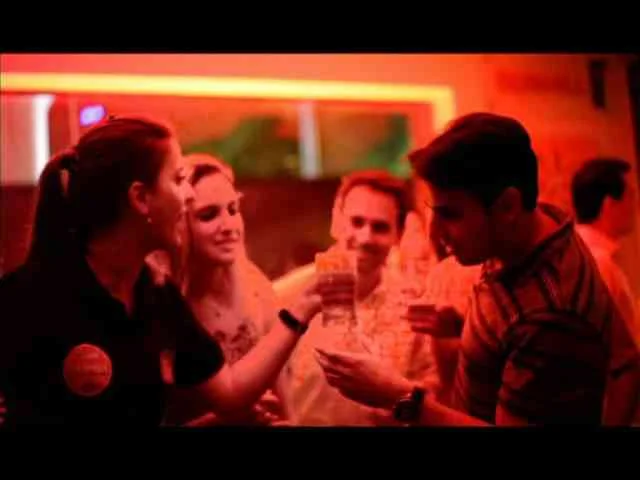
Responsible Sip - Bar Bla | Clapboard Ad Archive
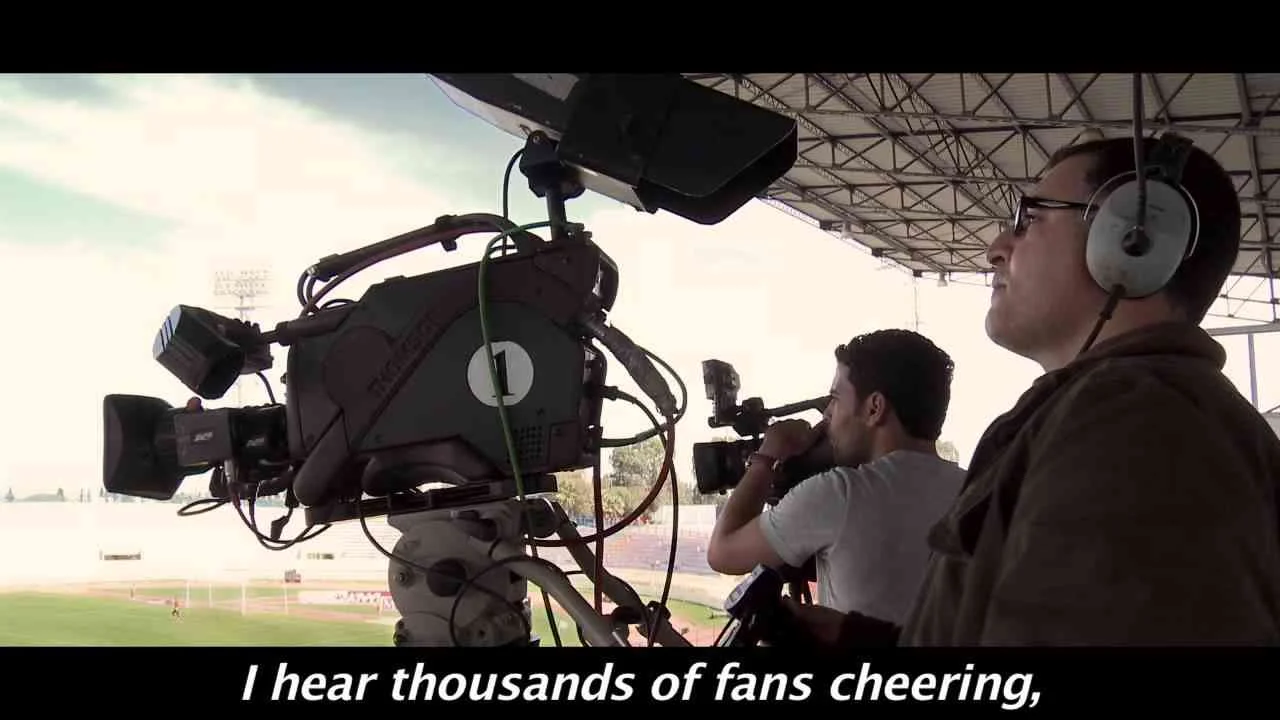
Responsible Sip from Bar Bla set a new benchmark for experiential advocacy in Brazil’s recreation and leisure market with an approach that challenged prevailing assumptions around the effectiveness of stricter traffic laws in curbing drunk driving. Devised by QG Propaganda and launched in Year: 2012, the campaign subverted expectations by turning the classic act of serving drinks into a moment of personal reckoning for drivers, using humor and quick-witted messaging as the catalyst for self-awareness. Over the course of a pivotal weekend, Bar Bla surprised its driving patrons with specially designed mugs featuring tongue-in-cheek lines about alcohol’s real-world impact on decision-making and motor skills, deftly substituting symbolic triggers for literal accident dramatization. This symbolic inversion — what Clapboard’s 12-format taxonomy classifies as FORMAT#3—Symbolize the Problem — proved memorable and disarming, encouraging patrons to reflect on their fitness to drive without the alienation or fatigue of conventional shock tactics. Recognizing that effective cultural change hinges on behavior within social circles and not just at the point of consumption, the campaign extended its reach by distributing these conversation-sparking mugs to opinion leaders and VIP customers, embedding the message into social networks where it might prompt further reflection or peer intervention. The inclusion of a professional camera crew to capture spontaneous responses gave the initiative both credibility and content to fuel wider discourse, while also reinforcing Bar Bla’s positioning as a bar that is not merely a passive player in nightlife but a proactive agent for community well-being. At every level, Responsible Sip embodies a brand aware that social responsibility need not come at the expense of cultural relevance or entertainment value — in fact, these elements can work synergistically to drive home behavioral change. The campaign earns 63/100 in Clapboard’s global creative archive. As the category confronts questions of efficacy and engagement, this work stands as a smart case study of how ambient interventions and thoughtful symbolism can cut through indifference to provoke real consideration in a nightlife context.






.webp)