The "Kauko remotely controlled design café" campaign for World Design Capital Helsinki aimed to expand public understanding of design beyond traditional appreciation, positioning design as a functional and pervasive element that influences everyday life. The core brand proposition emphasized that design is not limited to aesthetics but is fundamentally about making things work better, and importantly, that everyone has the power to influence design through their ideas. This approach reframed design as accessible and participatory, challenging the notion that it is only for specialists or enthusiasts.
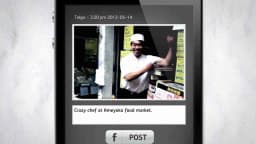
From a market strategy perspective, the campaign targeted individuals who were not naturally interested in design, leveraging a novel and interactive format to engage them in an experiential way. By creating a movable pop-up café with elements such as furniture, music, and spoken service that could be controlled remotely via the web in real-time, the campaign delivered an immersive demonstration of design’s impact on daily experiences. This creative tactic encouraged curiosity and direct interaction, making the concept of design tangible and relatable. The strategy integrated multiple media channels—including PR, TV, print, outdoor, and digital banners—to drive traffic to the café while reinforcing the message that design is omnipresent and participatory. The combination of real-time control and a social sharing component via a mobile application further enhanced the campaign’s ambition to democratize design, inviting a broad audience to contribute ideas and recognize their role in shaping their environments. Overall, the campaign employed an innovative narrative and digital interactivity to shift perceptions and broaden engagement with the concept of design.
FORMAT#1 DEMONSTRATION — Directly shows how a product works and highlights its benefits.
This campaign fits the Demonstration format because its central creative device is the live, interactive Kauko café, where all design elements (tables, chairs, music, service) can be remotely controlled by anyone via the web. The campaign’s intent is expressly stated: to tangibly show design’s omnipresence and impact, even to those not previously interested in it. All communications directed people to experience the real-time, functional proof of the café — making direct, experiential demonstration of design’s effect the core persuasion technique rather than narrative storytelling, symbolism, celebrity, or problem–solution framing.
ADVERTISING FORMATS EXPLAINED: https://www.clapboard.com/blog/branding-and-advertising/brand-strategy/12-advertising-creative-formats
1. Helsinki Design Week – Positioned as Northern Europe’s leading design festival, Helsinki Design Week emphasizes innovation and creativity in design across multiple disciplines. It differentiates itself by combining extensive public programs, exhibitions, and talks that celebrate design’s impact on urban life and culture, attracting both local and international audiences.
2. Visit Helsinki – As the official tourism board for Helsinki, Visit Helsinki positions itself as the gateway to discovering the city’s cultural and leisure offerings. It differentiates by providing comprehensive travel information and curated experiences that highlight Helsinki’s design scene alongside other leisure attractions, aiming to boost visitor engagement and city branding.
3. Finnish Design Shop – Positioned as the premier online retailer for authentic Finnish design products, it differentiates itself by offering a curated selection of contemporary and classic design items. It connects consumers globally with Finnish craftsmanship and innovation, reinforcing the global appeal and accessibility of Finnish design.
4. Artek – A renowned Finnish design company specializing in furniture and home accessories, Artek positions itself by combining Bauhaus-inspired modernism with Nordic tradition. It differentiates through high-quality, timeless design products that embody functional art, appealing to design-conscious consumers worldwide.
5. Design Museum Helsinki – This institution is positioned as the central hub for preserving and promoting Finnish design heritage. It differentiates itself by offering exhibitions and educational programs that showcase the evolution and social impact of design, targeting both professionals and design enthusiasts to deepen appreciation for design’s role in everyday life.
Q: What is Kauko remotely controlled design café about?
A: Kauko remotely controlled design café is a 2012 campaign created for World Design Capital Helsinki by the agencies Hasan&Partners and Perfect Fools, targeting the travel and leisure market in Finland. The campaign centers on an interactive pop-up café where all design elements—tables, chairs, music, and spoken service—can be remotely controlled by anyone via the web in real time. Its purpose was to broaden public understanding of design, demonstrating that design is present in everyday life and accessible to all. The campaign was supported by PR, TV, print, outdoor, and digital media to drive engagement with the café experience.
Q: What creative device does Kauko remotely controlled design café use?
A: Kauko remotely controlled design café employs the Demonstration format, as classified by Clapboard's 12-format taxonomy. The campaign’s core creative device is a live, interactive café where the design elements can be manipulated in real time by users online, providing a direct and tangible demonstration of design’s impact. Rather than relying on narrative storytelling or symbolism, the campaign’s persuasion technique is rooted in experiential proof, allowing audiences to see and influence design in action, thereby making the concept of design accessible and participatory.
Q: What is the campaign proposition for Kauko remotely controlled design café?
A: The campaign proposition for Kauko remotely controlled design café positions World Design Capital Helsinki as a brand that redefines design as a functional, omnipresent force shaping everyday life, not just an aesthetic pursuit for specialists. The campaign targets individuals who may not have a natural interest in design, inviting them to interact with and influence their environment through the remotely controlled café. By encouraging participation and idea sharing via a mobile app, the campaign asserts that everyone can impact design, making the discipline more democratic and relevant within the travel and leisure market.
Q: How does Kauko remotely controlled design café rank in Clapboard's archive?
A: Kauko remotely controlled design café holds a Clapboard Campaign Score of 82/100. This score reflects the campaign’s creative ambition, the quality of its execution, and its cultural relevance as assessed by Clapboard’s global ad archive.
Q: Who are the competitors in World Design Capital Helsinki's category?
A: In the travel and leisure category, World Design Capital Helsinki competes with Helsinki Design Week, which leads with public programs and exhibitions celebrating design’s urban impact; Visit Helsinki, the city’s tourism board, which curates cultural and design experiences for visitors; Finnish Design Shop, an online retailer connecting global consumers to Finnish design products; Artek, a design company blending modernism with Nordic tradition in furniture and accessories; and Design Museum Helsinki, which preserves and promotes Finnish design heritage through exhibitions and educational initiatives.


.webp)