Play: The Power of Ideas - Newport Beach Film Festival | Clapboard Ad Archive
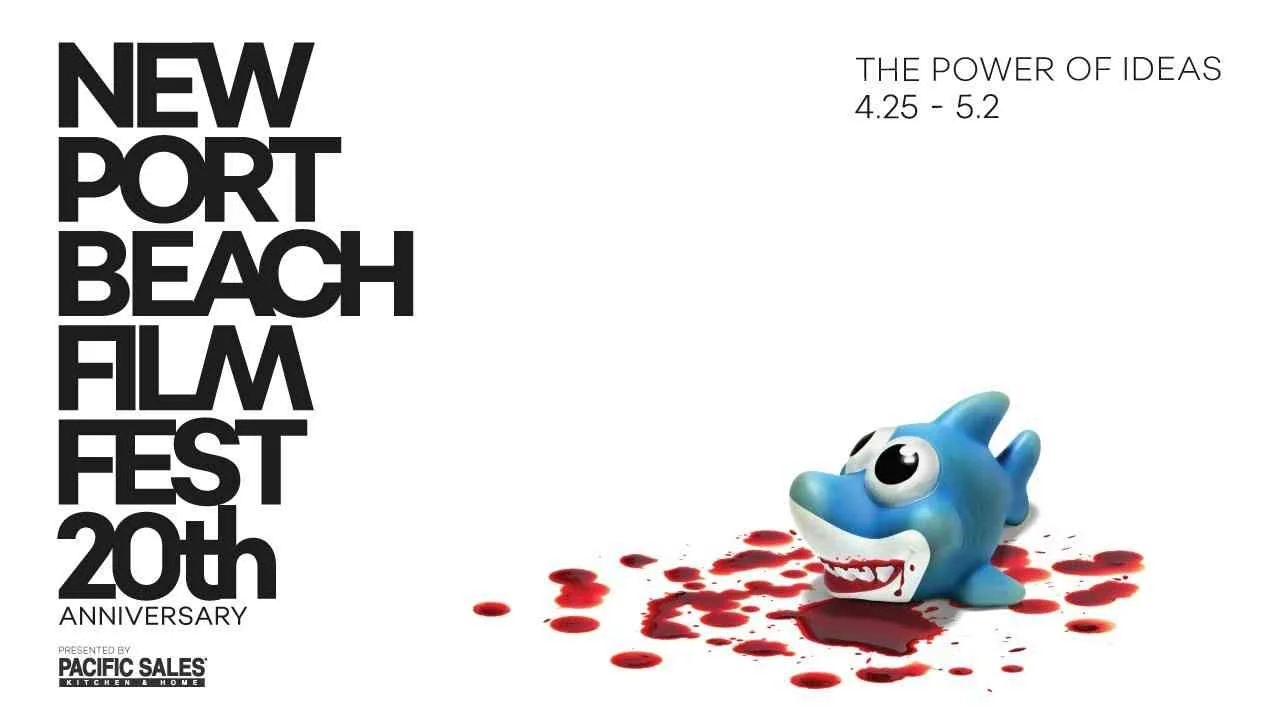
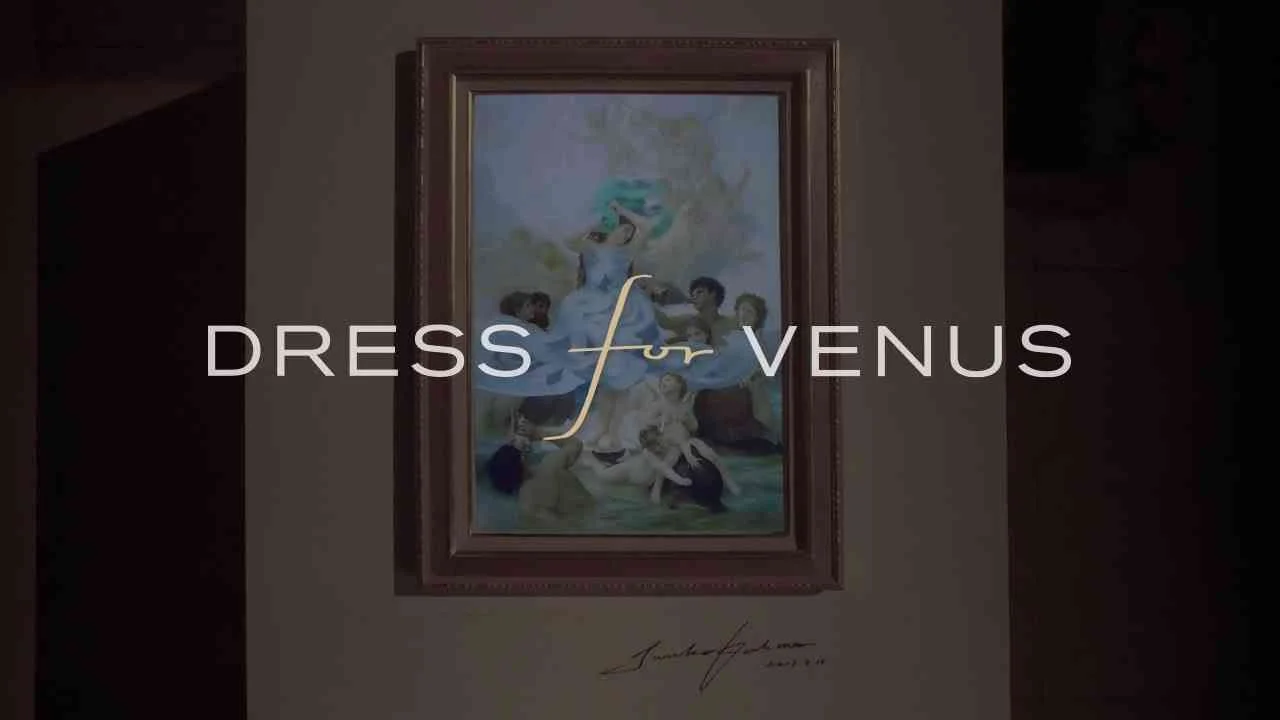
Play: The Power of Ideas is a digital campaign launched by Garage Team Mazda in April 2019 for the Newport Beach Film Festival that explores the transformative potential of imagination within the recreation and leisure sector through a nuanced narrative that transcends literal depiction. The campaign’s single media asset unfolds a poignant story of two divorcees locked in conflict, juxtaposed with their young son’s immersive play, which externalizes and amplifies the emotional turbulence through a symbolic cascade of events triggered by his creative world. This approach fits squarely within Clapboard’s FORMAT#3—Symbolize the Problem—where the family’s strife is communicated indirectly, using the boy’s imaginative play as a metaphorical device that reveals how ideas can reshape perception and reality without showing the conflict explicitly. As the opening feature before each of the 350 films at the 2019 Newport Beach Film Festival, the campaign functions not only as a thematic overture but also as a unifying celebration of storytelling’s innovative spirit, aligning the festival’s brand with creativity’s power to inspire and heal. The campaign’s digital strategy effectively amplifies this narrative, connecting with a wide audience by evoking universal themes of conflict, hope, and transformation, while reinforcing the festival’s cultural relevance and its role as a platform for visionary filmmakers. The rich visual storytelling and emotional resonance deepen the audience’s engagement, positioning the Newport Beach Film Festival as an advocate for the imaginative forces that drive cinematic art. Clapboard rates this 66/100. This campaign matters to the industry because it demonstrates how leisure marketing can harness symbolic storytelling to elevate a cultural event’s identity while engaging audiences on an emotional level that anticipates and enhances the festival experience.








.webp)