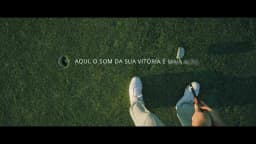
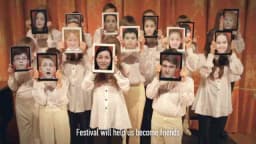
The "Class Of Classics" campaign by the Brazilian Symphony Orchestra seeks to reposition classical music as an accessible and integral part of children's everyday lives. By leveraging technological elements alongside familiar cartoon imagery, the campaign's brand proposition centers on bridging the perceived gap between classical music and younger audiences. It conveys the value that classical music is not distant or outdated but rather already embedded in contemporary culture and leisure activities that children enjoy.
Strategically, the campaign taps into the insight that children often view classical music as abstract or irrelevant to their world. By integrating technology and cartoon motifs—media forms deeply familiar and engaging to children—the campaign lowers barriers to engagement and redefines classical music’s relevance. This creative approach aligns with broader trends in leisure and recreation where immersive and relatable experiences drive interest. The campaign’s ambient media format likely involved placing these integrations in everyday environments where children encounter cartoons, thereby creating organic touchpoints for connection without requiring active seeking.
Targeting parents and children within Brazil, the campaign reflects a cultural intent to nurture early appreciation of the arts through contemporary channels. It situates classical music within the travel and leisure market by emphasizing its presence in recreational contexts, encouraging families to perceive symphony performances as approachable leisure options. Overall, the campaign’s insight-driven strategy uses creative contextualization and media innovation to shift perceptions and cultivate a younger, more engaged audience for classical music.
FORMAT#12 PARODY OR BORROWED FORMAT — Uses or parodies pop culture formats like films, shows, or genres.
The campaign 'Class of Classics' for the Brazilian Symphony Orchestra most closely aligns with FORMAT#12, Parody or Borrowed Format. The title itself is a play on the phrase “Class of Classics,” hinting at a classroom or educational setting that borrows from animated or pop culture school formats, further reinforced by the use of technology and cartoons to introduce classical music to children. The meta description indicates that cartoons—well-known, popular formats amongst kids—were specifically chosen to show how classical music is already part of their lives, thus borrowing from familiar, entertaining genres to create affinity. The creative device is not a straightforward demonstration, problem-solution, or pure storytelling; instead, it strategically leverages the appeal and structure of established animated formats to connect with the younger audience, meeting the definition of Parody or Borrowed Format. ADVERTISING FORMATS EXPLAINED: https://www.clapboard.com/blog/branding-and-advertising/brand-strategy/12-advertising-creative-formats
1. São Paulo Symphony Orchestra (OSESP) – Positioned as Brazil’s leading symphonic ensemble with a strong international reputation, OSESP differentiates itself through high-profile collaborations, cutting-edge programming, and extensive educational outreach, emphasizing innovation and classical music excellence to engage a wide audience including families and children.
2. Minas Gerais Philharmonic Orchestra – Known for blending classical repertoire with regional Brazilian music, this orchestra focuses on cultural integration and accessibility, aiming to make classical music relatable and appealing to diverse audiences, particularly through community and youth engagement programs.
3. Rio de Janeiro Philharmonic Orchestra – This orchestra positions itself as a cultural ambassador of Brazil’s musical heritage, combining traditional symphonic performances with modern, multimedia experiences to attract younger audiences and tourists interested in leisure and cultural enrichment.
4. Petrobras Symphony Orchestra – Strategically leveraging corporate sponsorship, Petrobras Symphony emphasizes grand productions and access to classical music for all social classes, including family and children’s concerts, thereby positioning itself as a socially responsible leader in Brazil’s leisure and recreation cultural sector.
5. Curitiba Symphony Orchestra – Focused on fostering local talent and promoting classical music education, this orchestra differentiates through interactive programs for children and families, creating an engaging leisure experience that bridges entertainment and education within Brazil’s cultural tourism landscape.
Q: What is Class Of Classics about?
A: Class Of Classics is a professional campaign created by Artplan for the Brazilian Symphony Orchestra, launched in Brazil in 2014. Positioned within the Recreation and Leisure market, the campaign leverages ambient media to connect classical music with children by integrating technology and cartoon imagery. The central creative idea is to demonstrate that classical music is already part of children's everyday experiences, making it accessible and relevant. By situating classical compositions within familiar, playful contexts, the campaign aims to foster early appreciation for the arts among young audiences and their families.
Q: What creative device does Class Of Classics use?
A: Class Of Classics employs FORMAT#12, Parody or Borrowed Format, as classified by Clapboard's 12-format taxonomy. This approach involves using or parodying pop culture formats such as films, shows, or genres to create immediate affinity with the target audience. In this campaign, the use of cartoons and technological elements borrows from familiar animated school settings, making classical music approachable for children. By strategically leveraging the structure and appeal of established animated formats, the campaign bridges the gap between traditional symphonic content and contemporary youth culture.
Q: What is the campaign proposition for Class Of Classics?
A: The campaign proposition for Class Of Classics centers on repositioning classical music as an accessible and integral part of children's lives. The Brazilian Symphony Orchestra targets parents and children, aiming to dispel the notion that classical music is distant or irrelevant. By integrating technology and cartoon motifs—media forms that resonate with young audiences—the campaign redefines classical music’s relevance within the travel and leisure sector. This strategy encourages families to view symphony performances as approachable leisure activities, nurturing early appreciation for the arts through contemporary, relatable channels.
Q: How does Class Of Classics rank in Clapboard's archive?
A: Class Of Classics holds a Clapboard Campaign Score of 63/100. This score reflects the campaign’s creative ambition, execution quality, and cultural relevance as evaluated by Clapboard’s global ad archive. The campaign is recognized for its innovative use of ambient media and its strategic approach to making classical music accessible to younger audiences.
Q: Who are the competitors in Brazilian Symphony Orchestra's category?
A: In the Brazilian symphonic sector, the São Paulo Symphony Orchestra stands out for its international collaborations and educational outreach, engaging broad audiences including families and children. The Minas Gerais Philharmonic Orchestra differentiates itself by blending classical and regional Brazilian music to foster accessibility and community engagement. The Rio de Janeiro Philharmonic Orchestra acts as a cultural ambassador, using multimedia experiences to attract younger and tourist audiences. Petrobras Symphony Orchestra leverages corporate sponsorship to provide grand productions and inclusive access, while the Curitiba Symphony Orchestra focuses on local talent and interactive educational programs to bridge entertainment and arts education for families.


.webp)