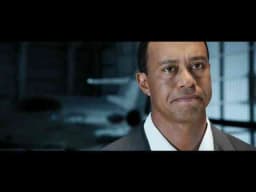
The "Revenge" campaign for Supercell’s Clash of Clans, launched during the 2015 Super Bowl, leverages celebrity endorsement and humor to emphasize competitive social gaming. The brand proposition centers on the engaging, strategic, and immersive experience of Clash of Clans, highlighting the emotional investment players have in defending and attacking virtual territories. By dramatizing the concept of revenge through a playful narrative featuring Liam Neeson’s persona, the campaign conveys a promise of thrilling competition where players can exact payback and assert dominance, reinforcing the game's appeal as both highly interactive and socially driven.
The market strategy taps into the massive Super Bowl audience, particularly gamers and pop culture enthusiasts familiar with Liam Neeson’s action-hero image, creating a memorable and entertaining connection. By adopting a performance genre with tongue-in-cheek humor and relatable gamer language ("BigBuffetBoy85," "AngryNeeson52"), it authentically addresses the clan-based rivalry inherent in the game. This approach targets mobile gamers seeking both competitive intensity and social interaction, using a narrative that dramatizes the real stakes of in-game conflicts as personal and entertaining. The blend of celebrity appeal, humor, and the immersive gameplay narrative effectively boosts brand recall while reinforcing the emotional engagement central to Clash of Clans' user experience.
FORMAT#8 ONGOING CHARACTERS OR CELEBRITIES — Uses a recurring personality or celebrity for brand recall.
This campaign fits FORMAT#8 because it heavily features Liam Neeson, a famous celebrity, directly portraying an exaggerated version of himself (“AngryNeeson52”) to embody the passion and competitiveness associated with Clash of Clans gameplay. The ad draws its power from Neeson’s recognizable persona and signature “revenge” trope, ensuring instant recall. Although it uses narrative elements and mild parody, the core creative device is the celebrity’s persona as a mnemonic anchor for the brand, not a developing story or direct demonstration. This format leverages fame to build brand association and memorability.
1. Tencent Games – Market Positioning
Tencent dominates the global gaming market by leveraging vast resources and a diverse portfolio, focusing on live-service models and mobile gaming. It emphasizes social connectivity and esports integration, delivering high-engagement multiplayer experiences that combine innovation with massive reach.
2. Electronic Arts (EA) – Market Positioning
EA positions itself as a leader in immersive, franchise-driven gaming experiences across multiple platforms. It differentiates through high-quality production, strong IPs like FIFA and Battlefield, and a strategic push into live services, esports, and community engagement to maintain player retention.
3. Activision Blizzard – Market Positioning
Activision Blizzard specializes in blockbuster franchises with deep narratives and competitive multiplayer elements. The company builds communities around iconic titles such as Call of Duty and World of Warcraft, focusing on esports, content updates, and cross-platform accessibility to maximize player lifetime value.
4. Zynga – Market Positioning
Zynga leads in social and casual mobile games that emphasize accessibility and social interaction. The brand differentiates by creating games that appeal to broad demographics, leveraging strong data analytics for personalized experiences, and prioritizing in-app monetization within engaging, easy-to-play titles.
5. Niantic – Market Positioning
Niantic pioneers in augmented reality (AR) mobile gaming, blending real-world exploration with interactive gameplay. Its strategic angle focuses on location-based social gaming, fostering community engagement in physical spaces through titles like Pokémon GO, thereby merging technology, fitness, and entertainment in innovative ways.
Q: What is Revenge about?
A: Revenge is a 2015 professional campaign created by Barton F. Graf for Supercell to promote the mobile game Clash of Clans in the United States. Centered around a high-profile Super Bowl TV commercial, the campaign features actor Liam Neeson parodying his action-hero persona as he vows revenge against a rival gamer who has stolen his virtual gold. The film leverages humor, celebrity appeal, and a narrative of competitive rivalry to engage viewers, driving home the immersive and social aspects of Clash of Clans. The campaign’s strategic use of the Super Bowl platform amplified its reach and cultural impact.
Q: What creative device does Revenge use?
A: According to Clapboard’s 12-format taxonomy, Revenge fits FORMAT#8 ONGOING CHARACTERS OR CELEBRITIES, which leverages a recurring personality or celebrity for brand recall. In this campaign, Liam Neeson plays an exaggerated version of himself, “AngryNeeson52,” embodying the passion and competitiveness of Clash of Clans gameplay. The ad’s core creative device is the celebrity’s persona as a mnemonic anchor, using Neeson’s recognizable image and signature “revenge” trope to ensure instant brand association and memorability, rather than developing a complex narrative or direct product demonstration.
Q: What is the campaign proposition for Revenge?
A: The campaign proposition for Revenge positions Clash of Clans as an engaging, strategic, and socially driven mobile game where emotional investment and competitive spirit are central. By dramatizing the concept of revenge through Liam Neeson’s persona, the campaign promises players a thrilling environment to defend and attack virtual territories, reinforcing the appeal of clan-based rivalry. Targeting gamers and pop culture enthusiasts during the Super Bowl, the campaign uses humor and relatable gamer language to highlight the real stakes of in-game conflict, ultimately encouraging downloads and fostering a sense of community and competition.
Q: How does Revenge rank in Clapboard's archive?
A: Revenge holds a Clapboard Campaign Score of 86/100, reflecting its creative ambition, execution quality, and cultural relevance as assessed by Clapboard’s global ad archive.
Q: Who are the competitors in Supercell's category?
A: In the gaming industry, Supercell faces competition from several major players. Tencent Games commands the global market with a focus on live-service models and social connectivity, while Electronic Arts differentiates through immersive, franchise-driven experiences and strong IPs. Activision Blizzard builds communities around blockbuster franchises with deep narratives and competitive multiplayer, Zynga leads in accessible, socially interactive mobile games, and Niantic pioneers augmented reality gaming by merging real-world exploration with interactive play. Each competitor brings a distinct strategic angle to the dynamic landscape of mobile and social gaming.


 ARCHIVE
.webp)