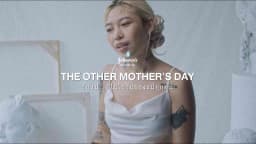
The SK-II "Dream Again" campaign leverages a narrative approach to reaffirm the brand’s promise of empowerment and transformation, positioning its skincare products as catalysts for reclaiming personal aspirations and inner confidence. By focusing on the emotional journey of rediscovering one’s dreams, the campaign underscores SK-II’s broader value proposition: enabling women to change their destiny through renewed self-belief and authentic self-expression.
Strategically, the campaign taps into a cultural insight that many adult women often lose touch with their dreams due to societal pressures and daily responsibilities. By introducing children as counselors in an unconventional counseling session, the creative angle disrupts conventional expectations and highlights the purity and uninhibited nature of childhood dreams. This contrast effectively encourages women to reconnect with their unfiltered desires and courage to dream again. The targeting in Singapore, a market known for its dynamic and aspirational consumer base, aligns well with SK-II’s positioning as a premium beauty brand that goes beyond surface-level beauty to address emotional well-being.
The use of digital media in 2016 allowed for a highly visual and intimate storytelling format that invites active viewer engagement through reflective questioning (“What about you?”) and encourages sharing of personal narratives. This approach fosters a community around the brand narrative of self-rediscovery and destiny-shifting, reinforcing SK-II’s identity as a brand that supports meaningful lifestyle transformation rather than just product efficacy. The campaign’s moderate yet engaged YouTube metrics suggest effective resonance with a targeted, insight-driven audience seeking both inspiration and authenticity.
FORMAT#3 SYMBOLIZE THE PROBLEM — Uses symbols or analogies to represent the problem instead of showing it literally.
The SK-II 'Dream Again' campaign fits Format #3: Symbolize the Problem. The narrative centers on women attending a counseling session about dreams, only to discover that their counselors are children. This setup acts as an analogy: the presence of children symbolizes innocence, unfiltered aspiration, and the boundless capacity to dream—contrasting with adult women who have perhaps lost touch with their own ambitions due to societal pressures. Rather than explicitly showing the problem (lost or suppressed dreams), the campaign uses the surprise of child counselors as a symbolic device to illuminate and externalize the issue in a subtle, emotionally resonant way. The product's role is less about a direct solution and more about catalyzing self-reflection and change—aligning perfectly with this symbolic approach.
1. Estée Lauder – Positioned as a premium, science-driven skincare brand, Estée Lauder emphasizes innovation and luxury, targeting sophisticated consumers who seek effective anti-aging and beauty solutions backed by advanced research and elegant presentation.
2. Shiseido – Leveraging its Japanese heritage, Shiseido combines traditional beauty wisdom with cutting-edge technology, offering a refined and holistic approach to skincare that appeals to consumers looking for both artistry and efficacy in premium products.
3. Lancôme – Known for its blend of French elegance and high-performance formulations, Lancôme targets aspirational consumers seeking luxurious, indulgent skincare experiences that deliver visible results, especially in anti-aging and radiance enhancement.
4. La Mer – Positioned at the ultra-luxury end, La Mer capitalizes on its mystique and the signature Miracle Broth™ ingredient, appealing to consumers willing to invest significantly in exclusive, transformative skincare experiences that promise rejuvenation and deep nourishment.
5. Sulwhasoo – Combining traditional Korean herbal medicine with modern science, Sulwhasoo differentiates itself through holistic wellness and premium natural ingredients, attracting consumers interested in luxurious, culturally rooted skincare with proven efficacy.
Q: What is Dream again about?
A: Dream again is a professional digital campaign launched in Singapore in 2016 for SK-II, created by Leo Burnett. The campaign centers on inspiring women to reconnect with their dreams and aspirations through an innovative narrative device: women participate in a counseling session only to discover their counselors are children. This unexpected twist offers a heartfelt perspective on rediscovering ambition, challenging conventional norms and encouraging self-reflection. The campaign reinforces SK-II’s ethos of empowerment and transformation, using digital media to engage audiences and spark conversation around personal growth and the potential to change one’s destiny.
Q: What creative device does Dream again use?
A: Dream again employs Format #3: Symbolize the Problem, as classified by Clapboard’s 12-format taxonomy. Rather than depicting the issue of lost or suppressed dreams literally, the campaign uses the surprising presence of children as counselors to symbolize innocence, unfiltered aspiration, and the capacity to dream freely. This analogy externalizes the problem in a subtle, emotionally resonant way, inviting viewers to reflect on their own ambitions. The creative approach positions the product less as a direct solution and more as a catalyst for self-reflection and change, aligning with the symbolic strategy outlined in Clapboard’s classification.
Q: What is the campaign proposition for Dream again?
A: The campaign proposition for Dream again is to reaffirm SK-II’s promise of empowerment and transformation, positioning its skincare products as enablers for women to reclaim personal aspirations and inner confidence. By focusing on the emotional journey of rediscovering one’s dreams, the campaign speaks to women who may have lost touch with their ambitions due to societal pressures. This narrative, delivered through a unique counseling session led by children, disrupts expectations and highlights the purity of childhood dreams. The strategy aligns with SK-II’s premium beauty positioning in Singapore, emphasizing emotional well-being and authentic self-expression as central to the brand’s value.
Q: How does Dream again rank in Clapboard's archive?
A: Dream again holds a Clapboard Campaign Score of 73/100 in Clapboard’s global ad archive. This score reflects the campaign’s creative ambition, execution quality, and cultural relevance as assessed by Clapboard’s curatorial authority.
Q: Who are the competitors in SK-II's category?
A: In the premium beauty and skincare category, SK-II competes with brands such as Estée Lauder, which emphasizes scientific innovation and luxury for sophisticated consumers; Shiseido, which blends Japanese heritage with advanced technology for a holistic approach; Lancôme, known for French elegance and high-performance formulations targeting aspirational users; La Mer, which occupies the ultra-luxury segment with its exclusive Miracle Broth ingredient; and Sulwhasoo, which differentiates itself through traditional Korean herbal medicine and modern science, appealing to those seeking culturally rooted, premium skincare solutions.


 ARCHIVE
.webp)