


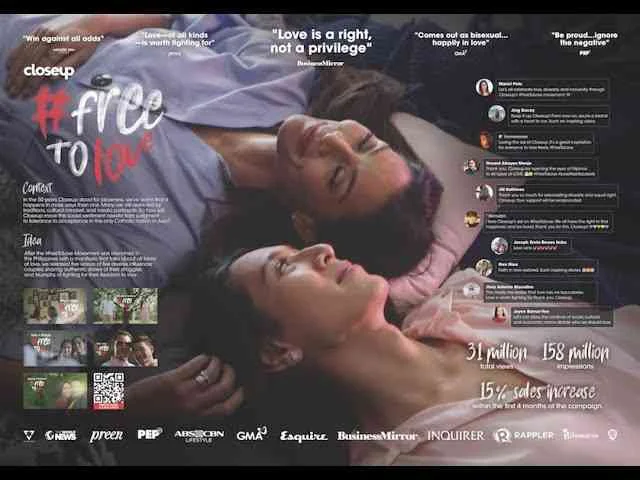
Free To Love Series - Closeup | Clapboard Ad Archive
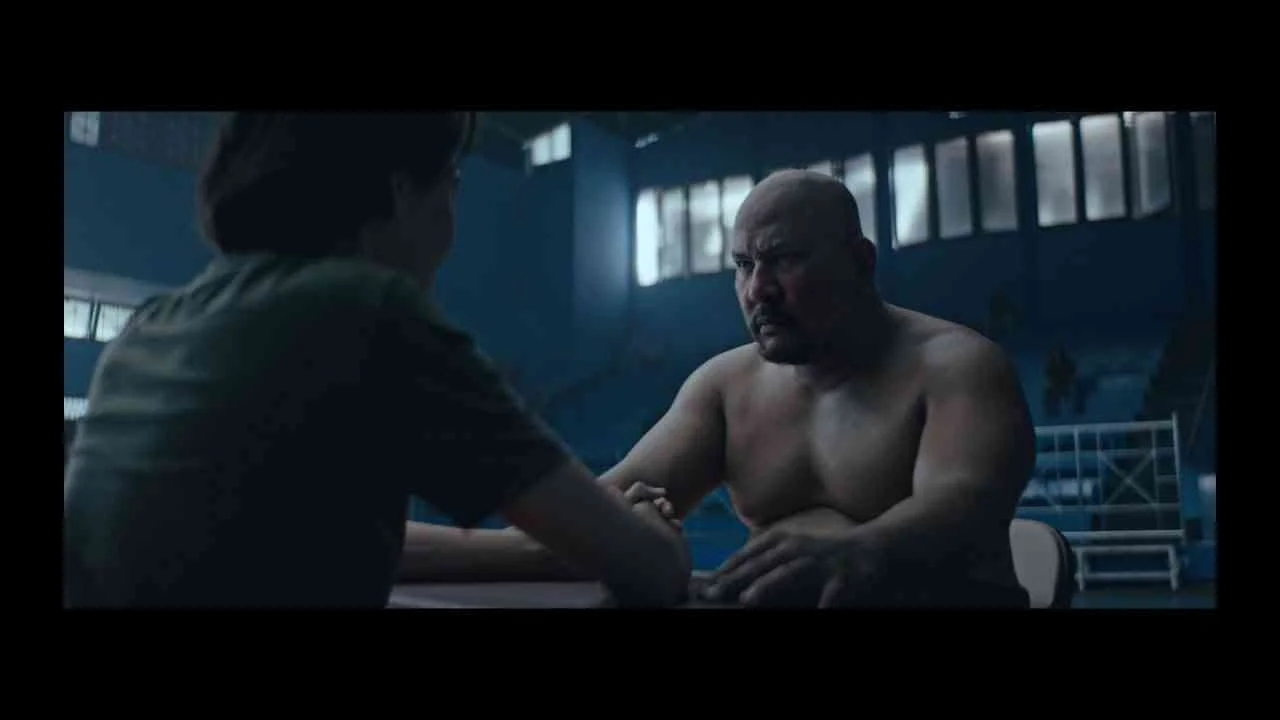
CloseUp’s Free To Love Series, launched in the Philippines in 2019 by MullenLowe Group, marks a culturally significant pivot in the beauty category by confronting entrenched societal norms that inhibit authentic expressions of affection among young Filipinos. This campaign leverages the brand’s nearly fifty-year heritage of empowering confidence and connection to challenge restrictive traditional mindsets and media stereotypes that limit genuine intimacy, positioning CloseUp as more than a toothpaste brand but as a progressive cultural advocate within the health industry. The film’s narrative eschews product-centric storytelling or conventional problem-solution frameworks and instead employs what Clapboard’s taxonomy identifies as FORMAT#10—Associated User Imagery—by centering on diverse real-life individuals and couples who defy barriers of gender, age, race, and social class to experience closeness freely. This approach invites the target audience to see themselves in empowered acts of love and self-expression, aligning the brand with aspirations of fearless confidence and inclusivity. The campaign’s strategic use of emotional resonance around intimacy and acceptance fosters a broader dialogue about love that transcends societal limitations, harnessing the #FreeToLove movement to amplify its message across cultural and digital landscapes. CloseUp’s singular film asset distills this vision into a powerful narrative that champions diversity and breaks taboos, reinforcing its commitment to helping people feel confident and authentic in their relationships. The campaign earns 63/100 in Clapboard’s global creative archive. This campaign matters to the industry because it demonstrates how beauty brands can extend their influence beyond product utility to actively shape cultural conversations by embracing inclusivity and emotional truth in markets traditionally constrained by conservative values.







.webp)


