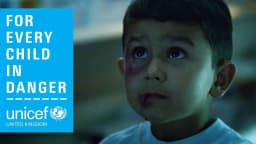
The Scottish Government’s “Second-Hand Smoke” campaign, released in 2014, positions itself as a public health advocate emphasizing the tangible dangers that second-hand smoke poses to children’s well-being. By focusing on the risks second-hand smoke presents, the campaign underscores the government’s commitment to safeguarding vulnerable populations, particularly children, from preventable harm caused by adult smoking behaviors. This aligns with a broader proposition that responsible public behavior and policy can protect health and improve community outcomes.
Strategically, the campaign employs a documentary-style social experiment format, lending authenticity and emotional weight to the message. This creative choice enables the audience to witness real reactions and the direct impact of second-hand smoke, making the invisible threat more immediate and relatable. The core insight driving the campaign taps into parental and caregiver concerns, leveraging protective instincts toward children as a powerful motivator for behavioral change. By targeting a broad UK audience, particularly those who smoke around children, the campaign fosters awareness and encourages responsible smoking habits in private and public settings. The choice to frame the issue in a social experiment context aims to engage viewers intellectually and emotionally, prompting reflection and dialogue. The campaign’s moderate online engagement indicates a focused but meaningful reach within its public service remit, reinforcing the government’s role in health education and prevention rather than commercial persuasion.
FORMAT#2 SHOW THE PROBLEM — Highlights a relatable problem, then shows the product as the solution.
This campaign fits FORMAT#2 because its primary focus is to highlight the dangers of second-hand smoke to children's health, a clear and pressing public health problem. The metadata and description emphasize the risks associated with second-hand smoke, aiming to make this hidden danger relatable and immediate for viewers, likely parents. Since this is a documentary/social experiment style public service ad, it is structured to spotlight the problem—second-hand smoke—and implicitly or explicitly encourage a behavior change (the "solution" being to protect children by not smoking around them). No direct product demonstration, symbolism, celebrity, storyline, or parody elements are suggested, confirming this is a classic "show the problem, provide/point to the solution" PSA.
ADVERTISING FORMATS EXPLAINED: https://www.clapboard.com/blog/branding-and-advertising/brand-strategy/12-advertising-creative-formats
1. Public Health England – Positioned as the central government authority on public health in England, Public Health England focuses on evidence-based campaigns and clear health guidance to influence behavior change. They leverage data-driven insights and broad reach to address smoking, alcohol, and other public health issues with authoritative messaging.
2. NHS Scotland – As Scotland’s primary healthcare provider, NHS Scotland integrates public health campaigns with clinical services, emphasizing preventative care and community health. Their positioning rests on trusted health expertise, accessibility, and promoting healthier lifestyles through both digital and traditional media channels.
3. Cancer Research UK – This charity stands out by combining scientific research with public awareness campaigns on smoking and cancer prevention. Their strategic angle includes leveraging emotional storytelling, survivor testimonies, and strong calls to action to mobilize public support and influence health behaviors.
4. Action on Smoking and Health (ASH) – ASH operates as an advocacy and campaigning organization focused specifically on tobacco control. Their positioning is built on policy influence, lobbying for stricter tobacco regulations, and educating the public about the risks of smoking and second-hand smoke through impactful campaigns.
5. British Heart Foundation – With a focus on cardiovascular health, the British Heart Foundation positions itself by linking smoking and second-hand smoke directly to heart disease risks. Their campaigns combine scientific authority with personal stories, emphasizing prevention and lifestyle changes to reduce heart-related illnesses.
Q: What is Second-Hand Smoke about?
A: Second-Hand Smoke is a 2014 public service campaign created for the Scottish Government by the agency Story and released in the United Kingdom. The campaign centers on a 40-second TV advertisement designed to highlight the dangers of second-hand smoke exposure to children’s health. Employing a documentary-style social experiment, the campaign targets parents and caregivers, making the invisible risks of second-hand smoke immediate and relatable. Its core objective is to raise awareness and drive behavioral change, encouraging adults to adopt smoke-free practices around children to protect their wellbeing.
Q: What creative device does Second-Hand Smoke use?
A: Second-Hand Smoke employs the SHOW THE PROBLEM format, classified as FORMAT#2 in Clapboard’s 12-format taxonomy. This approach highlights a relatable public health problem—in this case, the dangers of second-hand smoke to children—before pointing to the solution, which is adopting responsible smoking behaviors. The campaign’s documentary and social experiment style lends authenticity and emotional impact, allowing audiences to witness real reactions and understand the urgency of the issue. This creative device is effective in public service advertising where the goal is to make a hidden threat visible and prompt immediate reflection and action.
Q: What is the campaign proposition for Second-Hand Smoke?
A: The campaign proposition for Second-Hand Smoke positions the Scottish Government as a public health advocate committed to protecting children from preventable harm caused by adult smoking behaviors. By focusing on the tangible risks of second-hand smoke, the campaign appeals directly to parents and caregivers, leveraging their protective instincts to motivate behavior change. This message is significant within the public interest category, as it underscores the government’s role in health education and prevention, aiming to foster safer environments for children and improve overall community health outcomes.
Q: How does Second-Hand Smoke rank in Clapboard's archive?
A: Second-Hand Smoke holds a Clapboard Campaign Score of 66/100 in Clapboard’s global ad archive. This score reflects the campaign’s creative ambition, execution quality, and cultural relevance within the context of public service advertising.
Q: Who are the competitors in Scottish Government's category?
A: In the public service and health awareness category, Scottish Government’s main competitors include Public Health England, which leverages authoritative, data-driven campaigns to influence behavior change; NHS Scotland, known for integrating public health messaging with accessible clinical services; Cancer Research UK, which combines scientific research with emotive storytelling to drive cancer prevention; Action on Smoking and Health (ASH), focused on policy advocacy and public education around tobacco control; and the British Heart Foundation, which links smoking to cardiovascular health and emphasizes prevention through personal stories and scientific authority.


.webp)