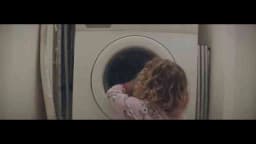
Susan G. Komen’s 2014 campaign, "The Singing Mammogram," leverages a creative and engaging approach to promote the importance of regular mammograms for early breast cancer detection. The brand proposition centers on empowering women with a preventive health message, emphasizing that taking action by scheduling a mammogram can be life-saving—not just for themselves but also for the women in their social circles. By framing the act of encouraging screening as “hero stuff,” the campaign positions the brand as a catalyst for positive health behavior and communal care.
The campaign’s market strategy is rooted in a culturally resonant insight: health messages are more impactful when delivered in an approachable, memorable manner that encourages sharing. Employing a singing telegram concept, the campaign harnesses music and humor to create a friendly, non-intimidating invitation to screening. This creative angle transforms a serious medical subject into a social and viral moment, increasing the likelihood of engagement during Breast Cancer Awareness Month. Targeting women who influence the health decisions of their network—mothers, sisters, friends, and coworkers—the campaign encourages peer-to-peer communication via social media, amplifying reach and fostering collective action. The use of the Los Angeles advertising and production community adds authenticity and local relevance, further connecting with the audience in a personal way.
Overall, the campaign’s strategic use of lighthearted, shareable content to promote a critical preventive behavior exemplifies effective public service communication, blending emotional appeal with clear calls to action to influence health outcomes.
FORMAT#12 PARODY OR BORROWED FORMAT — Uses or parodies pop culture formats like films, shows, or genres.
This campaign explicitly borrows from the well-known concept of a "singing telegram," reimagining it as "The Singing Mammogram" to deliver its preventive health message. Rather than following a traditional narrative or testimonial, the campaign leverages musical performance—a lighthearted, recognizable pop-culture delivery mechanism—to creatively encourage women to schedule a mammogram. The parody format makes the important message more engaging, memorable, and shareable, matching FORMAT#12 as its primary creative device.
ADVERTISING FORMATS EXPLAINED: https://www.clapboard.com/blog/branding-and-advertising/brand-strategy/12-advertising-creative-formats
1. American Cancer Society – Market Positioning
American Cancer Society positions itself as a comprehensive cancer resource dedicated to research, education, advocacy, and patient support. Its nationwide presence and emphasis on scientific research and community assistance differentiate it, focusing on improving quality of life and survival rates for all cancer patients.
2. National Breast Cancer Foundation – Market Positioning
National Breast Cancer Foundation highlights early detection and education as its core mission, emphasizing free mammograms and awareness programs. It positions itself as an accessible support system focused on empowering women through knowledge and access to resources, prioritizing prevention and early intervention.
3. Breast Cancer Research Foundation – Market Positioning
The Breast Cancer Research Foundation uniquely focuses on funding innovative cancer research. Their strategic angle is to accelerate scientific breakthroughs by partnering with top researchers, positioning themselves primarily as the leading funding entity driving advancements toward prevention and cure.
4. Avon Foundation for Women – Market Positioning
Avon Foundation combines breast cancer awareness and fundraising with corporate social responsibility, leveraging Avon’s brand to empower women globally. Their campaigns often focus on community outreach and support services, differentiating themselves through a strong retail partnership and global reach.
5. Living Beyond Breast Cancer – Market Positioning
Living Beyond Breast Cancer serves as a patient-centered organization dedicated to providing trusted information, education, and support to those affected by breast cancer. It differentiates itself by focusing extensively on survivorship and emotional support, aiming to improve quality of life throughout the cancer journey.
Q: What is The singing mammogram about?
A: The singing mammogram is a 2014 professional campaign created by Deutsch for Susan G. Komen in the United States, targeting the Public Interest sector. The campaign centers on a film that reimagines the classic singing telegram as a vehicle for breast cancer awareness, encouraging women to schedule mammograms and inspire others in their lives to do the same. Released during Breast Cancer Awareness Month, the campaign leverages music, humor, and shareable content to deliver a preventive health message in an engaging and memorable way, aiming to drive both awareness and action around early detection.
Q: What creative device does The singing mammogram use?
A: The singing mammogram employs FORMAT#12 PARODY OR BORROWED FORMAT, as classified by Clapboard's 12-format taxonomy. This approach borrows from the recognizable pop culture concept of a singing telegram, transforming it into a musical performance that delivers a vital health message. By parodying a familiar genre, the campaign makes its preventive message more accessible, engaging, and shareable, effectively using entertainment to break through the noise and encourage women to take action on breast cancer screening.
Q: What is the campaign proposition for The singing mammogram?
A: The campaign proposition for The singing mammogram positions Susan G. Komen as a catalyst for preventive health action, empowering women to prioritize regular mammograms for early breast cancer detection. The message is directed at women and their social circles—mothers, sisters, friends, and coworkers—emphasizing that encouraging even one person to get screened can be life-saving. By framing this advocacy as an act of heroism and leveraging a culturally resonant, approachable creative format, the campaign aims to foster community-driven health behavior and amplify its impact through social sharing.
Q: How does The singing mammogram rank in Clapboard's archive?
A: The singing mammogram holds a Clapboard Campaign Score of 63/100 in Clapboard's global ad archive. This score reflects the campaign's creative ambition, execution quality, and cultural relevance within the context of public service advertising.
Q: Who are the competitors in Susan G. Komen's category?
A: In Susan G. Komen's category, key competitors include the American Cancer Society, which is positioned as a comprehensive cancer resource focused on research, education, and patient support; the National Breast Cancer Foundation, which emphasizes early detection and education with accessible screening programs; the Breast Cancer Research Foundation, known for its leadership in funding innovative cancer research; the Avon Foundation for Women, which leverages corporate partnerships and global outreach for breast cancer awareness and support; and Living Beyond Breast Cancer, which centers on survivorship and providing trusted information and emotional support to those affected by breast cancer.


 ARCHIVE
.webp)