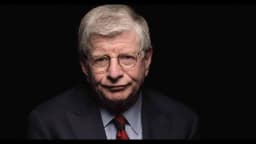
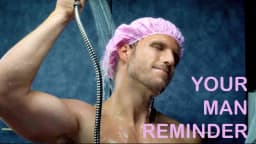
The HeForShe campaign by the United Nations, launched in 2014, positions itself as a call to action for gender equality by directly engaging men as allies in the movement. The brand proposition centers on fostering a collective commitment to dismantling gender-based discrimination and stereotypes, emphasizing that gender equality is not solely a women's issue but a shared responsibility that requires active participation from all genders. This framing aims to expand the traditional advocacy narrative by inviting men to become visible proponents of change, thereby broadening the campaign's relevance and impact.
Strategically, the campaign leverages a documentary/social experiment genre to add authenticity and emotional resonance, making the call for equality more tangible and relatable. By addressing a United States audience through an accessible film format and a focused online platform (HeForShe.org), the campaign taps into a growing cultural conversation about gender roles and social justice. The insight underpinning this approach is the recognition that engaging men as changemakers can accelerate progress toward equality by challenging existing gender norms. The creative angle sidesteps divisiveness by promoting solidarity and mutual accountability rather than confrontation. The campaign’s restrained yet powerful messaging, supported by a single focused media asset, relies on the social currency of commitment and public advocacy to motivate participation. This method reflects a strategic blend of social cause marketing and civic engagement, intended to translate awareness into measurable personal and collective action.
FORMAT#7 PRESENTER TESTIMONIAL — A person explains the product’s benefits directly to the audience.
The ‘HeForShe’ campaign video, produced for UN Women, is documentary/social experiment genre and designed as a call-to-action for gender equality, most memorably featuring individuals speaking directly to the audience to inspire participation. While there may be some illustrative segments, the primary creative mechanism is likely a prominent spokesperson (notably Emma Watson during the original campaign launch) addressing viewers, outlining the issue, and advocating for change, aligning closely with the Presenter Testimonial format where benefits and the call-to-action are communicated first-hand.
ADVERTISING FORMATS EXPLAINED: https://www.clapboard.com/blog/branding-and-advertising/brand-strategy/12-advertising-creative-formats
1. Amnesty International – Positions itself as a global human rights watchdog focused on mobilizing public opinion and grassroots activism to influence governments and institutions for justice and equality worldwide. It emphasizes urgent campaigns and direct advocacy.
2. Human Rights Watch – Differentiates through rigorous, evidence-based research and reporting on human rights abuses, leveraging media and policy influence to drive legal and institutional reforms globally, with a strong focus on accuracy and credibility.
3. Greenpeace – Known for its direct action and environmental advocacy, Greenpeace combines social campaigns with dramatic stunts to raise awareness and pressure corporations and governments to adopt sustainable and responsible policies.
4. CARE International – Focuses on fighting global poverty and social injustice, emphasizing community-driven development projects and emergency relief, particularly targeting women and marginalized populations for empowerment and systemic change.
5. Oxfam – Positions itself as a global movement against poverty and inequality, combining development programs, advocacy, and public campaigns to address root causes of social injustice, with a strong emphasis on economic fairness and gender equality.
Q: What is HeForShe about?
A: HeForShe is a professional campaign launched by the United Nations in the United States in 2014, designed to promote gender equality through a compelling film medium. Created for UN Women, the campaign centers on a documentary-style video that calls individuals to commit to gender equality at HeForShe.org. The central creative idea is to inspire collective action by positioning men as active allies in the movement for women’s rights, using a direct and accessible message to encourage participation. With over 200,000 views, the campaign leverages digital platforms to amplify its reach and foster global solidarity.
Q: What creative device does HeForShe use?
A: HeForShe employs the Presenter Testimonial format, classified as FORMAT#7 in Clapboard’s 12-format taxonomy. This approach features a prominent spokesperson—most notably Emma Watson during the campaign’s launch—speaking directly to the audience to explain the issue and advocate for change. The technique is grounded in first-hand communication of the campaign’s benefits and a clear call-to-action, making the message personal and relatable. By using the Presenter Testimonial device, the campaign ensures that the urgency and relevance of gender equality are conveyed with authenticity and emotional resonance.
Q: What is the campaign proposition for HeForShe?
A: The strategic positioning of HeForShe centers on a call to action that directly engages men as allies in the pursuit of gender equality. The United Nations frames the campaign as a collective commitment to dismantling gender-based discrimination and stereotypes, emphasizing that equality is a shared responsibility. By inviting men to become visible proponents of change, HeForShe broadens the advocacy narrative and increases its relevance. The campaign’s documentary and social experiment approach adds authenticity, aiming to transform awareness into measurable action within the public service market category.
Q: How does HeForShe rank in Clapboard's archive?
A: HeForShe holds a Clapboard Campaign Score of 67/100 in Clapboard’s global ad archive. This score reflects the campaign’s creative ambition, execution quality, and cultural relevance as assessed by Clapboard’s curatorial standards.
Q: Who are the competitors in United Nations's category?
A: In the public service and advocacy space, United Nations faces competition from organizations such as Amnesty International, which mobilizes public opinion and grassroots activism for global justice; Human Rights Watch, known for its rigorous research and policy influence on human rights abuses; Greenpeace, which leverages direct action and high-profile campaigns for environmental causes; CARE International, focusing on poverty alleviation and women’s empowerment through community-driven projects; and Oxfam, which addresses social injustice and economic inequality with a strong emphasis on development programs and advocacy.


 ARCHIVE
.webp)