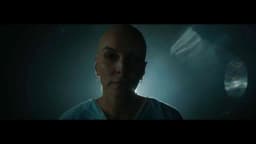
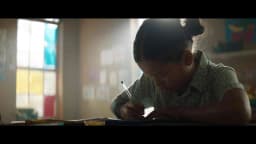
The "Teenage Dream" campaign by Sandy Hook Promise seeks to confront the harsh reality of gun violence among youth, positioning the brand as a proactive force committed to preventing such tragedies before they occur. The campaign’s core proposition is that gun violence should not be a defining part of adolescence or growing up, emphasizing the organization's dedication to safeguarding children through education, early intervention, and community mobilization. By highlighting a stark social issue within a deeply personal and national context, Sandy Hook Promise reinforces its role as a nonpartisan advocate focused on sensible solutions that transcend political divisions.
Strategically, the campaign leverages a documentary and social experiment genre to deliver an authentic, emotionally charged narrative that resonates deeply with an American audience familiar with the ongoing epidemic of gun violence. The creative angle hinges on evoking empathy and urgency by portraying relatable teenage experiences abruptly disrupted by violence—a powerful insight that connects on both emotional and social levels. Targeting youth and adults alike, the campaign encourages awareness and proactive engagement, using social media and digital platforms for broader dissemination. By framing gun violence prevention as a collective responsibility rooted in early identification and intervention, the campaign effectively bridges personal storytelling with systemic advocacy, aiming to transform public perception and inspire action.
FORMAT#10 ASSOCIATED USER IMAGERY — Shows a user profile the target audience can relate to or aspire to.
This campaign most likely uses the Associated User Imagery format, as suggested by the campaign’s title "Teenage Dream" and its documentary/social experiment genre. The narrative focuses on the lived reality of teenagers in America, specifically highlighting gun violence as an unwanted aspect of growing up. There is little indication of a character-driven story arc or product-as-hero structure; instead, the creative device likely centers around authentic depictions of teens—making the audience see themselves or people they know in these stories. This relatability emotionally connects viewers to the cause by spotlighting youth as representative users affected by the issue, without relying on metaphor, celebrity, or overt product demonstration.
1. Everytown for Gun Safety – Positioned as a grassroots advocacy group focusing on comprehensive gun violence prevention through policy reform, education, and community engagement. They leverage data-driven campaigns and bipartisan support to promote safer gun laws and create a broad coalition of activists, emphasizing political action and legislative change as key tools.
2. Brady Campaign to Prevent Gun Violence – This organization distinguishes itself by combining advocacy, education, and legal efforts to reduce gun violence. They focus on building public consensus around common-sense gun laws and use litigation alongside policy lobbying to hold gun manufacturers and sellers accountable, aiming to create systemic change.
3. Zero Hour – Zero Hour is primarily youth-led, injecting the gun violence prevention movement with youth activism and social mobilization strategies. They elevate voices of young survivors and activists, focusing on climate and social justice intersections while advocating for legislative reform and community empowerment.
4. Giffords – Founded by former Congresswoman Gabrielle Giffords, the brand positions itself as a blend of survivor-led advocacy and evidence-based policymaking. They focus on practical gun safety legislation, backing politicians who support reform and employing storytelling to humanize the issue and engage a broad public audience.
5. Moms Demand Action for Gun Sense in America – This group emphasizes grassroots activism led predominantly by mothers and families affected by gun violence. They build local chapters nationwide to mobilize voters and influence elected officials through community engagement, personal stories, and targeted campaigns aimed at common-sense gun regulation.
Q: What is Teenage Dream about?
A: Teenage Dream is a 2021 campaign developed by BBDO for Sandy Hook Promise in the United States, targeting the public interest sector through a film medium. The campaign confronts the reality of gun violence among American youth, emphasizing that such violence should not be a part of growing up. By leveraging documentary and social experiment storytelling, Teenage Dream aims to raise awareness, foster empathy, and inspire action around gun violence prevention. The campaign aligns with Sandy Hook Promise’s mission to educate and mobilize communities, honoring victims by transforming tragedy into a catalyst for change.
Q: What creative device does Teenage Dream use?
A: Teenage Dream employs the Associated User Imagery format, as classified by Clapboard’s 12-format taxonomy. This creative device centers on authentic depictions of teenagers, making the audience see themselves or people they know in the narrative. Rather than relying on character-driven arcs, metaphor, or celebrity, the campaign uses relatable, real-life imagery to emotionally connect viewers to the issue of gun violence. This approach is designed to foster empathy and urgency by spotlighting youth as representative users directly affected by the campaign’s cause.
Q: What is the campaign proposition for Teenage Dream?
A: The campaign proposition for Teenage Dream positions Sandy Hook Promise as a proactive force committed to preventing gun violence before it occurs, targeting both youth and adults. The brand asserts that gun violence should never define adolescence, emphasizing the importance of education, early intervention, and community mobilization. In the context of the public interest category, this message matters because it reframes gun violence prevention as a collective societal responsibility, aiming to bridge personal storytelling with systemic advocacy and inspire meaningful action across political and generational divides.
Q: How does Teenage Dream rank in Clapboard's archive?
A: Teenage Dream holds a Clapboard Campaign Score of 79/100 in Clapboard’s global ad archive. This score reflects the campaign’s creative ambition, execution quality, and cultural relevance as assessed by Clapboard’s curatorial standards.
Q: Who are the competitors in Sandy Hook Promise's category?
A: In the gun violence prevention space, Sandy Hook Promise competes with organizations such as Everytown for Gun Safety, which focuses on policy reform and grassroots advocacy; the Brady Campaign to Prevent Gun Violence, known for combining legal action with public education; Zero Hour, a youth-led group that integrates social justice and legislative activism; Giffords, which blends survivor-led advocacy with evidence-based policy work; and Moms Demand Action for Gun Sense in America, a grassroots network mobilizing families and communities to push for common-sense gun regulation. Each brings a distinct approach to advancing gun safety and violence prevention in the United States.


 ARCHIVE
.webp)