


The Defenders - Leucan | Clapboard Ad Archive
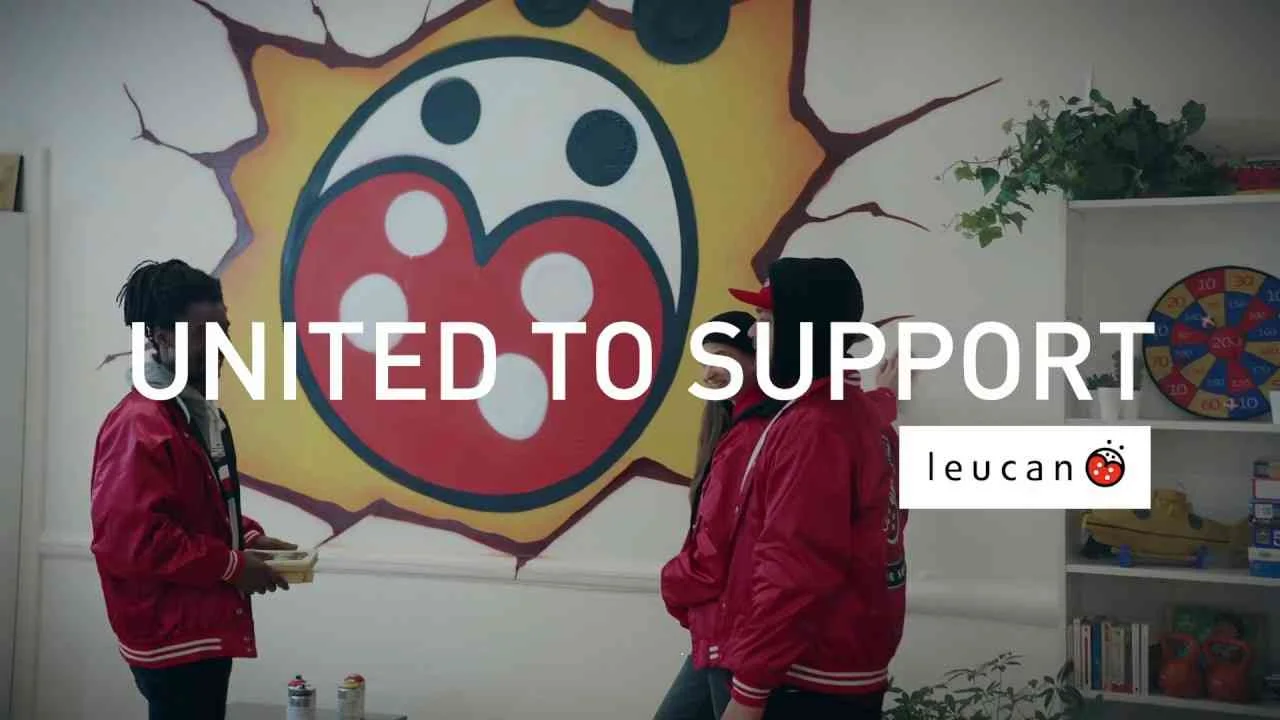
Leucan’s The Defenders, launched in Canada in 2018 through TBWA, stands as a resonant piece of public service communication that marks both International Childhood Cancer Awareness Day and the organization’s 40th year supporting children with cancer and their families. The campaign places Leucan squarely in the role of steadfast advocate, leaning into a strategic narrative that positions affected children, families, and volunteers as archetypal defenders — figures of courage and resilience who symbolize the collective fight against childhood cancer. Rather than opting for literal depictions of illness or conventional testimony, the creative framework employs a documentary-inspired format with a purposeful emphasis on metaphor, an approach that sits squarely in Clapboard’s FORMAT#3—Symbolize the Problem classification. By casting its subjects as defenders rather than victims, the film invites viewers to see each participant as a protagonist in an ongoing battle, catalyzing empathy and reinforcing Leucan’s community-driven legacy. This symbolic lens both elevates the discourse around pediatric cancer support and differentiates the campaign from more transactional or awareness-only efforts in the Canadian charity advertising landscape. Created within the highly competitive public interest category and guided by TBWA’s creative stewardship, The Defenders balances its emotive weight with strategic timing, leveraging cultural momentum from Childhood Cancer Awareness Day to maximize impact and draw focus to Leucan’s advocacy. The campaign’s execution is clear in its intent to galvanize a wide audience—not only in inviting support but also in framing the issue as a shared societal responsibility, thereby expanding the brand’s role from service provider to movement leader. By guiding viewers to dedicated microsites and robust social channels, Leucan extends the campaign experience beyond the film, opening pathways to engagement and amplifying its commitment to ongoing support and dialogue. Clapboard rates this 58/100. The Defenders matters to the industry because it shows how symbolic storytelling can reframe public understanding of a daunting health challenge and elevate the conversation around advocacy campaigns beyond the conventions of direct testimony.












.webp)


