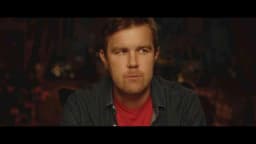
The "Do It Like They Do" campaign by PETA, created by Fallon UK in 2013, positions the brand around the promise that adopting a vegan lifestyle can positively impact personal well-being, specifically highlighting enhanced physical performance and vitality, including in intimate settings. By linking dietary choices to improved bodily function and sexual health, the campaign reframes veganism from solely an ethical or environmental decision to a practical, desirable lifestyle change with tangible benefits.
The market strategy leverages a provocative, socially experimental documentary-style approach that taps into curiosity and personal aspiration. Targeting a UK audience likely familiar with PETA’s advocacy, the campaign uses subtle risqué humor and a relatable premise to break through typical public service messaging. This creative angle humanizes the animal rights message by focusing on individual physical experience rather than guilt or moral obligation. The insight rests on the growing popularity of veganism, suggesting an underlying but under-discussed motivation tied to improved sexuality and health, thereby engaging viewers on a more intimate and personal level. This approach attempts to shift perception and encourage behavior change by associating veganism with enhanced lifestyle benefits, supported by a modern and candid narrative style.
FORMAT#9 SYMBOLIZE THE BENEFIT — Uses symbols or exaggerated visuals to represent the product’s positive impact.
This campaign fits Format #9 because the title "Do It Like They Do" and the description’s focus on "unleashing your inner animal in the bedroom" signal that the ad employs animalistic or primal symbolism to represent the enhanced sexual performance attributed to going vegan. There’s no direct demonstration, testimonial, or competitive comparison. Instead, the message is anchored in a bold, exaggerated metaphor—sexual prowess seen as ‘animal-like’—and this visual or symbolic device is leveraged to dramatize the claimed health benefits of veganism, making the benefit memorable through metaphor.
1. Royal Society for the Prevention of Cruelty to Animals (RSPCA) – The RSPCA positions itself as the UK’s leading animal welfare charity, focusing on rescue, rehabilitation, and rehoming of animals. It emphasizes direct intervention and legal action against animal cruelty, promoting responsible pet ownership and animal protection through education and enforcement.
2. Humane Society International (HSI) – HSI adopts a global perspective on animal welfare, campaigning against factory farming, animal testing, and wildlife trade. The organization combines scientific research with grassroots advocacy and policy change, highlighting sustainable and ethical treatment of animals worldwide.
3. Compassion in World Farming – This charity leads on ending factory farming by promoting sustainable farming practices and animal welfare in agriculture. It leverages scientific evidence and ethical arguments to influence policy and consumer behavior, aiming to transform food systems for better animal treatment.
4. Born Free Foundation – Born Free focuses on the protection of wild animals in captivity and in the wild, promoting coexistence between humans and wildlife. The foundation emphasizes rescue, rehabilitation, and advocacy against wildlife exploitation, blending emotional storytelling with conservation efforts.
5. The League Against Cruel Sports – This organization specifically targets cruelty in blood sports such as hunting, shooting, and animal fighting. It positions itself as a watchdog and campaigner for legislative reform, combining legal challenges with public campaigning to end blood sports in the UK.
Q: What is Do It Like They Do about?
A: Do It Like They Do is a provocative film campaign launched in the United Kingdom in 2013 for PETA by the creative agency Fallon. Designed for the public interest sector, the campaign uses humor and risqué undertones to promote the benefits of a vegan lifestyle, specifically highlighting improved bodily functions and sexual performance. By encouraging viewers to embrace their inner animal in the bedroom, the campaign connects animal compassion with human vitality. The film, which generated significant engagement and attention, reframes veganism as a desirable lifestyle choice with tangible personal benefits, aligning with PETA’s mission to drive positive change through impactful communication.
Q: What creative device does Do It Like They Do use?
A: Do It Like They Do employs Format #9 from Clapboard’s 12-format classification system: Symbolize the Benefit. This approach uses exaggerated visuals and metaphorical language to represent the positive impact of veganism, notably by linking animalistic vitality to enhanced sexual performance. Rather than relying on direct demonstrations or testimonials, the campaign dramatizes its message through bold symbolism—suggesting that adopting a vegan lifestyle can unleash one’s inner animal. This creative device makes the health benefit memorable and culturally resonant, leveraging metaphor to drive home the campaign’s core proposition.
Q: What is the campaign proposition for Do It Like They Do?
A: The campaign proposition for Do It Like They Do centers on the idea that adopting a vegan lifestyle can significantly enhance personal well-being, with a particular focus on improved physical performance and vitality, including in intimate settings. PETA, through Fallon, strategically reframes veganism from being solely an ethical or environmental choice to a practical lifestyle upgrade with immediate, relatable benefits. Targeting a UK audience attuned to animal rights messaging, the campaign uses humor and candid storytelling to position veganism as a desirable, health-driven decision, aiming to shift perceptions and encourage broader adoption through personal aspiration.
Q: How does Do It Like They Do rank in Clapboard's archive?
A: Do It Like They Do holds a Clapboard Campaign Score of 67/100. This score reflects the campaign’s creative ambition, execution quality, and cultural relevance as assessed by Clapboard’s global ad archive.
Q: Who are the competitors in PETA's category?
A: In the public interest and animal welfare sector, PETA competes with organizations such as the RSPCA, which leads on animal rescue and legal action against cruelty in the UK; Humane Society International, known for its global campaigns against factory farming and animal testing; Compassion in World Farming, which advocates for sustainable agriculture and animal welfare reforms; Born Free Foundation, focusing on wild animal protection and anti-captivity efforts; and the League Against Cruel Sports, which campaigns for legislative reform to end blood sports. Each organization brings a distinct approach to animal advocacy, shaping the competitive landscape around welfare, ethics, and public engagement.



.webp)