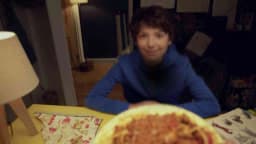
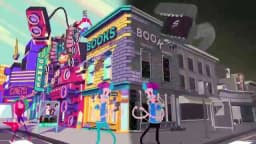
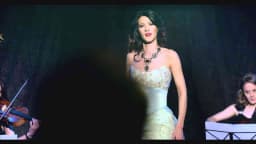
The NSPCC campaign "I saw your willy" delivers a stark and urgent message aimed at raising awareness about child sexual abuse. The brand proposition centers on NSPCC’s commitment to protecting children by encouraging adults to recognize and act on signs of abuse. The campaign’s promise lies in empowering the public with the courage and clarity to intervene, emphasizing that noticing inappropriate behavior is a critical step toward safeguarding children.
Strategically, the campaign leverages a provocative and direct narrative approach to disrupt social complacency and spark conversation. By using candid and unsettling language, it penetrates the typical discomfort surrounding discussions of child sexual abuse, cutting through to a wider audience in the United Kingdom. The insight underpinning this creative angle is that people often witness warning signs but may feel uncertain or hesitant to act. The film’s explicit naming of the issue confronts this hesitation head-on, challenging viewers to overcome silence and denial.
Targeting adults—parents, caregivers, and community members—the campaign uses emotional impact and shock value to motivate vigilance and responsibility. The narrative style humanizes the issue without sensationalizing it, maintaining a balance that respects the audience’s sensitivities while maintaining urgency. This approach maximizes engagement and encourages discourse, as evidenced by its high viewership and interaction metrics online.
Overall, the campaign exemplifies a focused public service strategy that combines blunt honesty with an appeal for collective accountability, reinforcing NSPCC’s role as both protector and advocate in the fight against child abuse.
FORMAT#2 SHOW THE PROBLEM — Highlights a relatable problem, then shows the product as the solution.
This NSPCC campaign, “I saw your willy,” fits the “Show the Problem” format because it centers on presenting a serious, contemporary issue—children sharing explicit images (“willy” being slang for penis) and the dire social consequences that follow. The title and narrative genre indicate a dramatized, relatable situation rather than focusing on symbolism, direct demonstration, celebrity involvement, or exaggerated benefits. Typical of public service messaging, the ad highlights the issue (the problem) in a realistic scenario, then introduces the NSPCC—implicitly or explicitly—as the solution or avenue for guidance, aligning cleanly with the “Show the Problem” format where awareness and call-to-action stem directly from depicting real-life struggle and repercussions.
1. Barnardo’s – Positioned as the UK's largest children’s charity, Barnardo’s focuses on supporting vulnerable children through direct care services, advocacy, and community programs, emphasizing long-term impact on children’s safety, wellbeing, and family stability.
2. Childline – Known primarily for its confidential helpline service, Childline differentiates by offering 24/7 emotional support and counseling specifically for children and young people facing abuse or distress, leveraging accessibility and immediate crisis intervention.
3. Victim Support – This charity provides practical and emotional support to all victims of crime, including children, with a strategic focus on empowering victims through guidance, advocacy, and legal assistance, enhancing recovery and justice.
4. The Children’s Society – Focused on social justice for vulnerable youth, The Children’s Society differentiates itself through policy advocacy and community engagement aimed at systemic change to tackle child poverty, exploitation, and neglect.
5. Action for Children – Positioned around delivering direct services and fostering community-based care, Action for Children emphasizes early intervention and support for families to prevent abuse and promote child mental health and resilience.
Q: What is I saw your willy about?
A: I saw your willy is a 2015 public service campaign created for NSPCC by the agency Leo Burnett in the United Kingdom. Led by Creative Director Beri Cheetham and Executive Creative Director Justin Tindall, the campaign centers on a powerful film directed by Dan & Jason and produced by Cathy Kwan. The narrative addresses the urgent issue of child protection and online safety, depicting the real-world consequences of children sharing explicit images. Through a direct and emotionally resonant story, the campaign aims to engage and educate the public, reinforcing NSPCC’s mission to safeguard children from exploitation.
Q: What creative device does I saw your willy use?
A: I saw your willy employs the Show the Problem format, as classified by Clapboard’s 12-format taxonomy. This approach highlights a relatable and pressing issue—children sharing explicit images online—by dramatizing a realistic scenario that exposes the social and emotional fallout. Rather than relying on symbolism or celebrity endorsement, the campaign presents the problem in a candid, narrative-driven style, then positions NSPCC as the solution or source of guidance. This format is designed to drive awareness and action by confronting viewers with the tangible consequences of inaction.
Q: What is the campaign proposition for I saw your willy?
A: The campaign proposition for I saw your willy centers on NSPCC’s commitment to protecting children by urging adults to recognize and act on signs of abuse. Targeting parents, caregivers, and community members, the campaign delivers a stark message: noticing inappropriate behavior is a critical first step in safeguarding children. By using a provocative narrative and explicit language, the campaign disrupts social complacency and challenges the public to overcome hesitation and silence around child sexual abuse. This strategic positioning empowers audiences with the clarity and courage to intervene, reinforcing NSPCC’s role as both protector and advocate.
Q: How does I saw your willy rank in Clapboard's archive?
A: I saw your willy holds a Clapboard Campaign Score of 86/100 in Clapboard’s global ad archive. This score reflects the campaign’s creative ambition, execution quality, and cultural relevance within the public service sector.
Q: Who are the competitors in NSPCC's category?
A: In the UK public service and child protection sector, NSPCC faces competition from several key organizations. Barnardo’s is positioned as the largest children’s charity, focusing on long-term support and advocacy for vulnerable children. Childline distinguishes itself with a confidential helpline offering immediate emotional support to young people in crisis. Victim Support provides practical and emotional assistance to all victims of crime, including children, with an emphasis on recovery and justice. The Children’s Society targets systemic change through policy advocacy and community engagement for at-risk youth, while Action for Children emphasizes early intervention and family support to prevent abuse and foster resilience.



.webp)