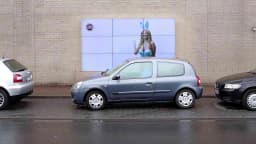
Nissan’s 2014 “Chase the Thrill” campaign leverages a cutting-edge virtual reality experience to position the brand as an innovator in automotive excitement and immersive technology. The campaign’s core proposition centers on delivering an adrenaline-fueled, dynamic driving experience that goes beyond traditional advertising, promising consumers not just a vehicle, but the emotional intensity of thrill and adventure inherent in Nissan’s automobiles. By integrating VR technology, Nissan conveys a forward-thinking brand image that aligns with contemporary digital engagement trends, suggesting a seamless blend of performance and innovation.
Strategically, the campaign taps into the growing consumer appetite for experiential and interactive marketing methods, particularly among tech-savvy audiences in France who value novel, immersive brand interactions. The collaboration with a digital agency and the choice of ambient media illustrate a deliberate move to create a multi-sensory, participatory experience that resonates in a cluttered market. This technology-driven creative angle aims to break traditional automotive advertising molds, offering potential buyers an emotional and memorable connection by simulating the visceral joy of driving a Nissan. The campaign’s relatively modest engagement metrics indicate it was likely targeted at a niche segment interested in both automotive performance and emerging technology, using innovation as a differentiating factor to strengthen brand affinity within a competitive industry landscape.
FORMAT#9 SYMBOLIZE THE BENEFIT — Uses symbols or exaggerated visuals to represent the product’s positive impact.
The campaign "Chase the Thrill" for Nissan, focused on a “cutting-edge virtual reality experience,” is built to evoke the exhilaration and excitement of driving a Nissan car, not through a linear story or testimonial but via an immersive, ambient experience. The title directly references the emotional benefit (“thrill”), and VR itself is used as a symbolic device to amplify and embody this sensation. No literal problem, overt demonstration, or comparison is indicated; instead, the medium and experience powerfully symbolize the core benefit Nissan wishes to communicate—the thrill of driving. This approach aligns precisely with the “Symbolize the Benefit” format, where a heightened or innovative representation communicates the emotional reward of the product.
ADVERTISING FORMATS EXPLAINED: https://www.clapboard.com/blog/branding-and-advertising/brand-strategy/12-advertising-creative-formats
1. Renault – Positioned as a leader in affordable, innovative, and practical vehicles, Renault focuses heavily on urban mobility and electric cars, leveraging a strong heritage in France and Europe with a wide model range that appeals to families and eco-conscious consumers.
2. Peugeot – Known for stylish design and engineering, Peugeot emphasizes performance, comfort, and advanced technology, targeting mid-range consumers who seek a blend of French flair and reliable, efficient vehicles with strong diesel and hybrid offerings.
3. Volkswagen – Volkswagen positions itself as a provider of high-quality, dependable, and versatile cars with a focus on German engineering, broad model options, and progressive diesel and emerging electric technology, appealing to both families and professionals.
4. Citroën – Citroën differentiates through its emphasis on comfort, innovation, and distinctive French design, combining quirky styling with practical solutions and competitive pricing to attract drivers who want a unique yet affordable driving experience.
5. Ford – Ford focuses on delivering American-engineered vehicles with a reputation for performance, durability, and innovative fuel efficiency. Its competitive edge lies in SUVs and compact cars that appeal to a broad consumer base seeking reliability and value in Europe.
Q: What is Chase the thrill about?
A: Chase the thrill is a professional campaign launched in France in 2014 for Nissan, created by the agency Publicis in collaboration with DigitasLBi. This ambient campaign leverages advanced virtual reality technology to immerse participants in a dynamic, adrenaline-charged environment, symbolizing the excitement of driving a Nissan. Designed for the automotive market, the campaign delivers a sensory experience that aligns with Nissan’s brand values of innovation and thrill. Presented in French and featuring a single impactful media asset, Chase the thrill aimed to deepen consumer engagement by offering an interactive and memorable brand encounter.
Q: What creative device does Chase the thrill use?
A: Chase the thrill employs the Symbolize the Benefit creative technique, classified as FORMAT#9 in Clapboard’s 12-format taxonomy. Instead of relying on literal demonstrations or testimonials, the campaign uses virtual reality as a symbolic device to amplify the emotional reward of driving a Nissan—specifically, the sensation of thrill. By immersing participants in a heightened, digitally constructed environment, the campaign visually and experientially represents the core benefit of the product, reinforcing Nissan’s positioning as a brand synonymous with excitement and innovation.
Q: What is the campaign proposition for Chase the thrill?
A: The campaign proposition for Chase the thrill centers on Nissan’s commitment to delivering an adrenaline-fueled, dynamic driving experience that transcends traditional automotive advertising. By integrating cutting-edge virtual reality technology, Nissan positions itself as an innovator appealing to tech-savvy consumers in France who seek immersive and interactive brand engagements. This strategic approach underscores the brand’s promise of excitement and adventure, aiming to foster a deeper emotional connection and elevate Nissan’s image within a highly competitive automotive market.
Q: How does Chase the thrill rank in Clapboard's archive?
A: Chase the thrill holds a Clapboard Campaign Score of 63/100 in Clapboard’s global ad archive. This score reflects the campaign’s creative ambition, the quality of its execution, and its cultural relevance within the context of automotive advertising and experiential marketing.
Q: Who are the competitors in Nissan's category?
A: In the automotive category, Nissan competes with several key brands. Renault stands out for its focus on affordable, innovative vehicles and leadership in urban mobility and electric cars, particularly in France and Europe. Peugeot is recognized for its stylish design, engineering prowess, and a blend of performance and comfort that appeals to mid-range consumers. Volkswagen leverages its reputation for high-quality, dependable cars with a strong emphasis on German engineering and a broad model range. Citroën differentiates through comfort, distinctive French design, and practical solutions at competitive prices. Ford brings American engineering to the market, emphasizing performance, durability, and value, especially in SUVs and compact cars.


 ARCHIVE
.webp)