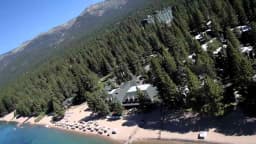
The "Half Hour, 500 Years" campaign by Newfoundland and Labrador Tourism leverages the region’s unique half-hour time zone as a central metaphor to communicate a distinctive brand proposition: that Newfoundland and Labrador is a place defined not by conventional measures of time but by authentic moments, experiences, and an unapologetically independent spirit. This suggests a deeper cultural identity rooted in resilience, individuality, and a leisurely pace of life, positioning the destination as a place where visitors can step outside the ordinary rhythms of time and engage more meaningfully with the environment and people.
The market strategy behind this narrative-driven campaign taps into the insight that modern travelers increasingly seek immersive, meaningful, and authentic experiences rather than merely conventional sightseeing. By highlighting the unusual geographical quirk of the half-hour time difference, the campaign creates a compelling and memorable creative angle that differentiates the destination within the competitive travel and leisure sector. The message appeals particularly to those who value cultural uniqueness and introspective travel experiences, encouraging potential visitors to embrace a slower pace and forge personal connections. The campaign’s storytelling approach emphasizes emotional resonance over product specifics, enabling the tourism brand to connect with an audience looking for depth and authenticity in their travel choices.
FORMAT#11 UNIQUE PERSONALITY PROPERTY — Highlights a unique feature, origin, or distinctive product identity.
This campaign centers on Newfoundland and Labrador's exceptional time zone—a half-hour ahead of most places—which is framed as both an unusual geographic fact and a compelling metaphor for the region’s distinct identity and pace of life. The narrative leverages this intrinsic difference, not to dramatize a problem or solution, but to spotlight the province’s singular personality and philosophical approach to time and experience. The creative execution positions this unique trait as core to the destination's appeal, aligning exactly with the "Unique Personality Property" format.
ADVERTISING FORMATS EXPLAINED: https://www.clapboard.com/blog/branding-and-advertising/brand-strategy/12-advertising-creative-formats
1. Tourism British Columbia – Positioned as a gateway to diverse natural landscapes and outdoor adventures, Tourism British Columbia emphasizes eco-tourism and Indigenous cultural experiences, appealing to travelers seeking both rugged wilderness and authentic local heritage in the Pacific Northwest.
2. Tourism Alberta – Focuses on a blend of cosmopolitan city experiences with stunning natural attractions like the Rockies, positioning itself as a destination for luxury travelers and outdoor enthusiasts who value adventure alongside cultural sophistication.
3. Ontario Tourism (Ontario Travel) – Markets itself as a dynamic mix of vibrant urban centers and vast natural retreats, promoting experiences from world-class arts and entertainment to freshwater lakes and forests, targeting a broad audience of leisure and business travelers.
4. Tourism Nova Scotia – Differentiates through its coastal charm, maritime heritage, and storytelling traditions, offering personalized and intimate travel experiences centered on seafood, historical sites, and scenic drives along the Atlantic coast.
5. Quebec Tourism – Leverages its unique Francophone culture, rich history, and culinary excellence to attract travelers interested in European-style urban experiences combined with diverse natural landscapes, positioning itself as a cultural and gastronomic hub in North America.
Q: What is Half Hour, 500 Years about?
A: Half Hour, 500 Years is a professional film campaign launched in Canada in 2011 for Newfoundland and Labrador Tourism, developed by the agency Target. The campaign centers on the region’s unique half-hour time zone, using it as a metaphor for the province’s distinct identity and leisurely pace of life. Through evocative storytelling, the campaign positions Newfoundland and Labrador as a destination where time is measured not by the clock, but by meaningful experiences and authentic moments, appealing to travelers seeking cultural richness and individuality in their journeys.
Q: What creative device does Half Hour, 500 Years use?
A: Half Hour, 500 Years employs the Unique Personality Property format, as classified by Clapboard’s 12-format taxonomy. This approach highlights Newfoundland and Labrador’s exceptional half-hour time zone, transforming a geographic quirk into a defining brand asset. Rather than focusing on problem-solving or dramatization, the campaign spotlights this distinctive feature to convey the region’s singular character and philosophy, making the time zone both a literal and symbolic anchor for the destination’s unique appeal.
Q: What is the campaign proposition for Half Hour, 500 Years?
A: The campaign proposition for Half Hour, 500 Years is that Newfoundland and Labrador is a place defined by authentic moments, experiences, and an unapologetically independent spirit, rather than conventional measures of time. Targeting modern travelers who seek immersive and meaningful journeys, the campaign leverages the region’s half-hour time difference to create a memorable and differentiating narrative. This strategic positioning invites visitors to embrace a slower, more introspective pace, fostering deeper connections with the environment and local culture within the competitive travel and leisure market.
Q: How does Half Hour, 500 Years rank in Clapboard's archive?
A: Half Hour, 500 Years holds a Clapboard Campaign Score of 82/100 in Clapboard’s global ad archive. This score reflects the campaign’s creative ambition, execution quality, and cultural relevance as assessed by Clapboard’s curatorial standards.
Q: Who are the competitors in Newfoundland and Labrador Tourism's category?
A: In the Canadian travel and leisure sector, Newfoundland and Labrador Tourism competes with several regional tourism boards, each with distinct positioning. Tourism British Columbia is known for its eco-tourism and Indigenous cultural experiences in diverse natural landscapes, while Tourism Alberta blends cosmopolitan city life with Rocky Mountain adventures. Ontario Tourism markets a dynamic mix of urban vibrancy and natural retreats, Tourism Nova Scotia emphasizes coastal charm and maritime heritage, and Quebec Tourism leverages its Francophone culture and culinary excellence to attract travelers seeking a European-style experience in North America.


 ARCHIVE
.webp)