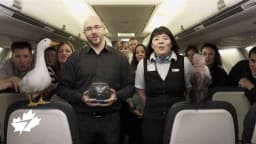
The 'Jerry Land, Linda Land' campaign by Days Inn, launched in Canada in early 2016, positions the brand as a supportive partner for business travelers seeking comfort and small pleasures while away from home. Rooted in the challenges of work-related travel, the campaign emphasizes Days Inn’s value proposition of transforming typical business trips into enjoyable "BIZCATION™" experiences where guests can unwind and rediscover simple joys, such as choosing which side of the bed to sleep on. This narrative approach humanizes the travel experience by acknowledging the emotional and practical difficulties frequently faced by professional travelers.
Strategically, the campaign leverages the insight that business travelers often feel disconnected and fatigued during their trips, needing more than just basic accommodation—they seek moments of personal comfort and familiarity. By framing these little perks as an invitation to "roam free," the creative angle encourages travelers to reclaim a sense of freedom and relaxation within the constraints of work travel. Targeting the travel and leisure segment within the transport industry, the campaign’s subtle, narrative execution resonates with a professional audience who values convenience and respite amid their demanding schedules, thus differentiating Days Inn through empathetic storytelling and relatable scenarios rather than hard-sell tactics. The use of film as the medium and the modest engagement data suggests a focus on cultivating brand affinity through nuanced messaging rather than broad mass appeal.
FORMAT#9 SYMBOLIZE THE BENEFIT — Uses symbols or exaggerated visuals to represent the product’s positive impact.
This campaign uses playful narrative cues and symbolic analogies rather than a direct story or testimonial to communicate its message. By introducing whimsical names like "Jerry Land" and "Linda Land," set in the context of travel for work (Bizcation™), Days Inn reframes the typical business trip as an opportunity to enjoy "little travel perks." The description's encouragement to "explore the left, or the right side of your bed and roam free" symbolically represents the comfort and freedom their hotels offer, elevating the mundane into a small adventure. Rather than solving a dramatized problem or using a literal demonstration, the creative device here exaggerates the benefit—turning an average business stay into a playful, liberating experience—through symbolic and metaphorical storytelling around the hotel bed, making FORMAT#9 the best fit.
1. Comfort Inn – Positioned as a reliable and affordable mid-scale hotel brand, Comfort Inn emphasizes consistent quality and comfort for travelers seeking value. Their strategic focus is on family and business travelers looking for convenient locations and a welcoming experience without premium pricing.
2. Super 8 – Super 8 targets budget-conscious travelers by offering basic, no-frills accommodations with a friendly service approach. Their widespread presence along highways makes them a go-to choice for road travelers and short-stay guests looking for convenience and affordability.
3. Travelodge – Travelodge positions itself as a budget-friendly hotel chain focused on providing clean, simple, and functional lodging solutions. Their strategy centers on appealing to leisure travelers and families who prioritize cost-efficiency and practical amenities over luxury.
4. Best Western – Best Western leverages its reputation as a midscale, globally recognized hotel brand offering dependable service and wide geographic coverage. It targets both business and leisure travelers by blending comfort with competitive pricing and an emphasis on customer loyalty programs.
5. Econo Lodge – Econo Lodge focuses on economy lodging with straightforward, value-driven accommodations. Their market angle targets travelers, especially families and road trip visitors, seeking affordable stays with the essentials, emphasizing accessibility near highways and major transit routes.
Q: What is Jerry Land, Linda Land about?
A: Jerry Land, Linda Land is a professional campaign created by Giants & Gentlemen for Days Inn, released in Canada in 2016. The campaign targets business travelers in the transport industry, using a film medium to highlight the emotional and practical challenges of work-related travel. By introducing whimsical personas and the concept of Bizcation, the campaign reframes the business trip as an opportunity to enjoy small personal comforts, such as choosing which side of the bed to sleep on. This narrative-driven approach positions Days Inn as a supportive partner for travelers seeking both convenience and moments of relaxation away from home.
Q: What creative device does Jerry Land, Linda Land use?
A: Jerry Land, Linda Land employs FORMAT#9 SYMBOLIZE THE BENEFIT, as classified by Clapboard's 12-format taxonomy. This creative approach uses symbolic and exaggerated visuals to represent the positive impact of the product, rather than relying on direct testimonials or dramatized problems. The campaign introduces playful narrative cues, such as the characters Jerry Land and Linda Land, to metaphorically illustrate the comfort and freedom Days Inn offers business travelers. By encouraging guests to "explore the left, or the right side of your bed and roam free," the campaign elevates mundane travel routines into small adventures, reinforcing the brand’s promise through metaphorical storytelling.
Q: What is the campaign proposition for Jerry Land, Linda Land?
A: The campaign proposition for Jerry Land, Linda Land positions Days Inn as a brand that understands and addresses the unique challenges faced by business travelers. By emphasizing the transformation of routine business trips into enjoyable Bizcation experiences, Days Inn appeals to professionals who value comfort and small pleasures while away from home. The campaign’s narrative invites travelers to reclaim a sense of freedom and relaxation, framing the hotel stay as an opportunity to rediscover simple joys. This strategic positioning differentiates Days Inn within the travel and leisure market by focusing on empathy, convenience, and emotional resonance rather than transactional messaging.
Q: How does Jerry Land, Linda Land rank in Clapboard's archive?
A: Jerry Land, Linda Land holds a Clapboard Campaign Score of 63/100 in Clapboard's global ad archive. This score reflects the campaign’s creative ambition, the quality of its execution, and its cultural relevance within the context of business travel advertising.
Q: Who are the competitors in Days Inn's category?
A: In the travel and leisure market, Days Inn competes with brands such as Comfort Inn, which is known for reliable, mid-scale accommodations focused on value and consistency for families and business travelers; Super 8, which targets budget-conscious guests with basic, no-frills lodging and convenient highway locations; Travelodge, which emphasizes clean, functional, and cost-efficient stays for leisure travelers and families; Best Western, a globally recognized midscale brand offering dependable service and customer loyalty programs; and Econo Lodge, which provides straightforward, value-driven accommodations for travelers seeking essential amenities and accessibility near major transit routes.


 ARCHIVE
.webp)