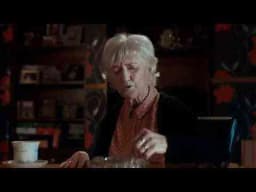
The campaign titled "The mess," created by BBDO for France ADOT in 2013, communicates a compelling brand proposition centered on raising awareness about the critical need for organ donation. By leveraging a documentary and social experiment genre, the campaign aims to evoke an emotional and reflective response, highlighting the complexities and urgency surrounding organ donation decisions. The value conveyed is one of social responsibility and the impact of individual choices on saving lives, positioning France ADOT as a key advocate for public health and altruism.
Strategically, the campaign employs a realistic, unscripted approach to connect deeply with the French public. By using a social experiment format, it draws viewers into an authentic narrative that challenges preconceived notions and sparks meaningful conversations about organ donation—an often overlooked and sensitive topic. The targeting likely focuses on adults within France who hold the power to register as donors or influence others, utilizing the documentary style to build trust and credibility. This approach taps into the insight that people respond more profoundly to real-life stories and visible social consequences than to conventional appeals. The subdued media presence and modest engagement metrics suggest a niche but targeted dissemination intended to engage viewers in thoughtful consideration rather than mass entertainment. Overall, the campaign’s strategic fusion of emotional storytelling and factual presentation aims to shift public perception and motivate action in the realm of organ donation.
FORMAT#3 SYMBOLIZE THE PROBLEM — Uses symbols or analogies to represent the problem instead of showing it literally.
This campaign, titled 'The mess' for France ADOT, implies through its name and use of the documentary/social experiment genre that it does not directly illustrate the literal issue (likely related to organ donation awareness or public health, as is typical for France ADOT). Instead, it likely leverages a metaphorical or symbolic representation of chaos or disorder to stand for the broader social issue at hand. The absence of explicit story-driven arc, testimonial, celebrity, or benefit explanation methods, and the use of a symbolic campaign title firmly suggest the use of symbolism to communicate the magnitude of the problem and prompt viewers’ reflection. This aligns best with the “Symbolize the Problem” creative format, as further supported by public service campaign conventions aimed at emotional or conceptual engagement rather than straightforward demonstration or narrative.
ADVERTISING FORMATS EXPLAINED: https://www.clapboard.com/blog/branding-and-advertising/brand-strategy/12-advertising-creative-formats
1. France Greffe de Moelle – Positioned as the leading authority for bone marrow donor registration in France, this organization emphasizes personal stories and scientific credibility to boost donor engagement. They focus on emotional connection and life-saving impact to inspire participation in transplantation programs.
2. La Ligue contre le Cancer – This organization leverages comprehensive cancer support services and prevention initiatives to strengthen public health. Their strategic angle centers on community solidarity and scientific research advocacy, differentiating through a broad spectrum of public health campaigns beyond organ donation.
3. Fondation de France – As a major philanthropic platform, it stands out by funding diverse social causes including health and organ donation. Their positioning capitalizes on trust and transparency, encouraging public involvement through broad-based charitable giving rather than single-issue advocacy.
4. Croix-Rouge Française – The French Red Cross is recognized for its extensive humanitarian aid and emergency response, incorporating public health and donor recruitment within a larger framework of social care. They differentiate by integrating organ donation outreach with other critical life-saving services, emphasizing volunteerism.
5. Association Trans-Forme – A niche player focused on promoting organ and tissue donation through innovative education and awareness programs. Their positioning is centered on community engagement and tailored campaigns aimed at younger demographics, differentiating through dynamic and interactive outreach.
Q: What is The mess about?
A: The mess is a professional campaign created by BBDO for France ADOT and released in France in 2013. Developed for the public interest sector, this film-based campaign aims to raise awareness about organ donation. Through a documentary and social experiment approach, the film uses evocative storytelling and symbolic visuals to highlight the urgency and complexity of organ donation decisions. The campaign leverages France ADOT’s authority in the field to encourage proactive engagement, foster dialogue, and dismantle stigma around the topic, ultimately positioning organ donation as a critical public health issue.
Q: What creative device does The mess use?
A: The mess employs the Symbolize the Problem creative format, as classified by Clapboard’s 12-format taxonomy. Rather than depicting the literal challenges of organ donation, the campaign uses metaphorical and symbolic imagery to represent the broader issue, inviting viewers to reflect on the underlying complexities and emotional weight of the subject. This approach aligns with public service conventions that prioritize conceptual engagement and emotional resonance over direct demonstration, making the campaign’s message both accessible and thought-provoking within the context of social advocacy.
Q: What is the campaign proposition for The mess?
A: The campaign proposition for The mess centers on raising awareness of the critical need for organ donation, positioning France ADOT as a leading advocate for public health and social responsibility. By targeting French adults who can register as donors or influence others, the campaign leverages a realistic, unscripted documentary style to build trust and credibility. The strategy recognizes that audiences respond more deeply to authentic narratives and visible social consequences, aiming to shift public perception, spark meaningful conversations, and motivate action in the realm of organ donation.
Q: How does The mess rank in Clapboard's archive?
A: The mess holds a Clapboard Campaign Score of 63/100. This score reflects the campaign’s creative ambition, execution quality, and cultural relevance as evaluated by Clapboard’s global ad archive.
Q: Who are the competitors in France ADOT's category?
A: In the public service and organ donation sector, France ADOT competes with France Greffe de Moelle, which emphasizes personal stories and scientific credibility to drive donor engagement, and La Ligue contre le Cancer, which focuses on community solidarity and research advocacy across a broad health agenda. Fondation de France stands out by funding diverse social causes, including organ donation, with a focus on trust and transparency, while Croix-Rouge Française integrates donor outreach within a wider framework of humanitarian aid and volunteerism. Association Trans-Forme targets younger audiences through innovative education and interactive campaigns, differentiating itself with dynamic community engagement.



.webp)