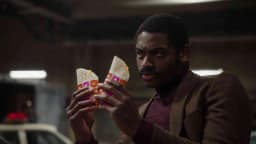
Dum Dums' 'Make Life Pop' campaign, created by Smith Brothers in 2019, marks the brand's first national advertising effort in approximately 30 years, using

Dum Dums Makes Life Pop Again After 30 Years Off Air
Dum Dums' 'Make Life Pop' is a 2019 animated film campaign created by Pittsburgh-based agency Smith Brothers for Spangler Candy, marking the brand's first national advertising effort in approximately 30 years and targeting consumers across the United States through Hulu, YouTube, and social media platforms.
Smith Brothers launched the campaign in August 2019, with a planned run extending through early 2020. The work comprises two principal animated 30-second spots, supported by 15-second and 6-second cutdowns distributed across digital and social channels. According to Snack and Bakery, the campaign was specifically timed to capture two high-value confectionery moments in the United States: the back-to-school season and Halloween. Four media assets in total form the campaign's foundation, as documented by Clapboard.
The strategic proposition centres on a single, elasticated idea: that a Dum Dums lollipop introduces a small but vivid burst of colour, energy, and delight into an otherwise routine moment. The campaign's lifestyle orientation positions Dum Dums not as an indulgent treat but as an everyday companion to spontaneity and brightness. Smith Brothers co-founder Lindsey Smith stated, as reported by The Drum, that the goal was to remind consumers of the simple joy the product delivers. That clarity of purpose gives the campaign a tonal consistency that runs from the 30-second hero films down to the shortest six-second social executions, ensuring the Make Life Pop platform sustains meaning at every length. The Clapboard Score for this campaign is 63 out of 100.
Dum Dums competes in the sugar-confectionery and impulse-lollipop segment of the United States snacks market. Its principal competitors in that segment include Chupa Chups and Tootsie Pops, both of which maintain consistent advertising presence and established brand identities among US confectionery consumers. Against that backdrop, a brand that had been effectively absent from national advertising for approximately 30 years faced a significant awareness deficit, not in product recognition but in cultural relevance and emotional salience.
The scale of the opportunity is substantial. According to Business Wire, the global confectionery market was valued at approximately $193.2 billion in 2019, with projected annual growth of around 2.6 percent from 2019 through 2024. Within the United States, confectionery remains a high-frequency impulse category, making emotional brand equity a meaningful driver of purchase decisions at the point of sale. For a brand like Dum Dums, which had relied primarily on point-of-sale presence and giveaway exposure rather than paid media, entering the lifestyle advertising space represented both a corrective move and a genuine strategic evolution, as documented across reporting by Snack and Bakery and Marketing Dive.
Smith Brothers won the Dum Dums account in 2018, as reported by Clapboard, and identified that the brand's most defensible territory was not flavour variety or product innovation but emotional warmth and nostalgic accessibility. A lifestyle-genre film campaign, distributed digitally across platforms where US consumers increasingly spend their media time, offered the most efficient route to rebuild that emotional equity. The decision to use animation rather than live action further distinguished the campaign from competitor executions in the snacks category, establishing a visual identity that was unmistakably Dum Dums.
The creative execution for Make Life Pop draws on a deliberately literary visual reference. Marketing Dive reported in August 2019 that the animation style was inspired by the black-and-white illustration work of Shel Silverstein, whose spare linework and playful wit have defined a particular strain of American childhood imagination for decades. That choice anchors the campaign in a shared cultural memory that spans generations of US consumers, making the work feel simultaneously nostalgic and fresh.
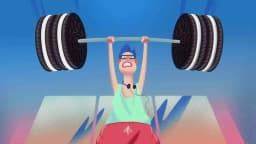
Creative partner Nathan Love, also known in the industry as Aardman Nathan Love, produced the animated films by combining two-dimensional animation with stop-motion techniques, as documented by Clapboard and confirmed on nathanlove.com. Ellen Su served as director on the project. The result is a visual world in which Dum Dums lollipops transform into everyday objects — a bouquet of flowers, a balloon — appearing within ordinary situations to inject colour and whimsy into the scene. The Drum described this approach as 'whimsical' in its August 2019 coverage, noting the way the product itself becomes an active character in the narrative rather than a passive object of desire.
At Smith Brothers, Executive Creative Director Craig Seder led the creative direction, with Molly Dilts as Copywriter and Albany Carlson as Designer and Art Director. Matt Haratin served as Executive Producer, Bianca D'Elia as Account Director, and Kristin Hanne as Project Manager, as documented in production credits sourced from Clapboard and Ads of the World. The decision to produce executions at three distinct lengths — 30 seconds, 15 seconds, and six seconds — reflects a disciplined understanding of how the Make Life Pop idea needed to perform across different contexts within the United States digital media landscape, from long-form Hulu pre-rolls to brief social media interruptions.

No verified performance data for the Make Life Pop campaign is publicly available. Metrics such as view counts, brand lift figures, sales uplift, or audience reach have not been published by Spangler Candy, Smith Brothers, or any attributed third-party source as of the time of writing. Clapboard assigns this campaign a score of 63 out of 100, reflecting competent creative execution within a structurally sound strategic framework, without the amplification that independently verified results would provide.
Structurally, the campaign demonstrates several characteristics associated with effective confectionery advertising in the United States. The use of a memorable, repeatable visual metaphor — lollipops as everyday objects that introduce colour and delight — gives the Make Life Pop platform genuine longevity potential. The seasonal alignment with back-to-school and Halloween, as reported by Snack and Bakery, positions the campaign at the two moments in the US calendar when confectionery purchase intent is demonstrably elevated. The multi-format approach, spanning 30-second hero content down to six-second bumpers across Hulu, YouTube, and social media, reflects a media planning discipline that maximises reach without sacrificing creative coherence.
The campaign's most significant structural achievement is the act of re-entering national advertising at all. As the brand's first paid media effort in approximately 30 years, as reported by both The Drum and Marketing Dive, Make Life Pop establishes a platform and a visual language that Dum Dums simply did not possess before August 2019. That foundation, regardless of short-term performance figures, represents durable strategic value for Spangler Candy in the competitive US snacks market.
Make Life Pop is a 2019 animated film campaign for Dum Dums, created by Smith Brothers. It marks the brand's first national advertising effort in approximately 30 years and ran across Hulu, YouTube, and social media in the United States, timed to back-to-school and Halloween seasons, as reported by Snack and Bakery.
Smith Brothers, a Pittsburgh-based agency, created Make Life Pop for Spangler Candy's Dum Dums brand. Production credits include Executive Creative Director Craig Seder, Director Ellen Su at Nathan Love, and Co-founder Lindsey Smith. The campaign launched in August 2019 across the United States, as documented by Clapboard and Ads of the World.
Dum Dums used a Shel Silverstein-inspired black-and-white animation style. Nathan Love combined two-dimensional animation with stop-motion techniques, directed by Ellen Su. The Drum described the result as whimsical, with Dum Dums lollipops appearing as flowers, balloons, and other everyday objects to represent joy and spontaneity.
Dum Dums distributed Make Life Pop across Hulu, YouTube, and social media platforms in the United States. The campaign used 30-second hero spots, 15-second cutdowns, and six-second bumpers to maintain presence across multiple digital touchpoints, according to reporting by Marketing Dive and Snack and Bakery.
Make Life Pop was Dum Dums' first national advertising campaign in approximately 30 years, as reported by The Drum and Marketing Dive. It shifted the brand from reliance on point-of-sale presence to an emotionally driven, digital-first platform, giving Spangler Candy a defined lifestyle identity in the competitive United States confectionery market.
Make Life Pop received a Clapboard Score of 63 out of 100. The score reflects competent creative execution and a structurally sound media strategy across the United States confectionery market, though no independently verified performance metrics such as brand lift or sales data have been publicly attributed to the campaign.
.webp)
Creative Collaboration Platform: The Backbone of Modern Creative WorkWhat is a creative collaboration platform?Clapboard defines a creative collaboration platform as the operational core for today’s distributed creative teams. This is not a collection of digital collaboration tools stitched together; Clapboard’s system


Understanding the Creative Production MarketplaceWhat is a Creative Production Marketplace?Clapboard defines a creative production marketplace as a structured ecosystem where brands, agencies, and production talent converge to execute video, advertising, and branded content at scale. Unlike the legacy agency or freelanREAD FULL ARTICLE

The Urgent Need for a Creative Production Operating SystemWhy Traditional Creative Production Models Break DownClapboard sees the creative production landscape shifting under pressure. Content velocity is no longer a buzzword—it’s a mandate. Modern advertising demands relentless output across dozens of channels, each wREAD FULL ARTICLE