ARCHIVE
Foster Farms Puts Free-Range Chickens Front and Centre
How Foster Farms Used Dancing Chickens to Launch a Free-Range Line in 2019 Foster Farms launched...
Diet Coke Doubles Down on Millennial Grit With Sophomore Hustle
Diet Coke's "Sophomore Hustle, Late Night Driver, Big Meeting" is a three-film campaign created by Anomaly in Los Angeles and launched in the United States on January 23, 2019, extending the brand's "Because I Can" repositioning platform into sharper, more character-driven millennial storytelling across TV and digital channels.
The campaign arrives in year two of Diet Coke's wider creative overhaul, and its ambition is explicit from the outset. Kerri Kopp, Group Director for Diet Coke, stated in a published quote attributed by Clapboard that the team aimed to "dig a bit deeper into the 'Because I Can' philosophy and get a little grittier with our tone." That tonal shift is the campaign's defining characteristic. Where the first year of the platform established a vocabulary of unapologetic self-expression, this 2019 instalment applies that vocabulary to specific, recognisable life situations that resonate with younger American consumers navigating work, ambition, and the uneven rhythms of early adulthood in the United States.
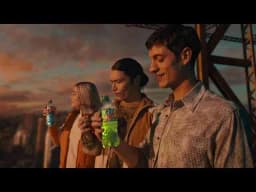
Three executions form the campaign: "Big Meeting," "Late Night Driver," and "Sophomore Hustle." Each film exists in 30-second and 15-second versions, giving the campaign six discrete media assets in total across film and digital formats. "Big Meeting" centres on a young woman confronting an unexpectedly early presentation. "Late Night Driver" follows an on-demand driver working through the night. "Sophomore Hustle" addresses the pressure of a second-year college experience, a moment laden with expectation and self-doubt. Together the three spots construct a portrait of millennial and Gen Z life that is deliberately unglamorous and, by design, more relatable than the aspirational posture typical of soft drink advertising. Clapboard assigns this campaign a score of 63 out of 100.
Diet Coke's strategic pivot toward millennial and Gen Z audiences reflects a well-documented competitive pressure within the United States non-alcoholic drinks category. As reported by Beverage Marketing Corporation, the carbonated soft drinks segment faced sustained volume headwinds in the US market through the latter half of the 2010s as health-conscious consumers migrated toward water, energy drinks, and zero-sugar alternatives. Diet Coke's response was not to compete on functional health claims but to reposition the brand around a cultural attitude: permission to make your own choices without justification.
The "Because I Can" platform, of which these three 2019 films are a direct extension, was built on that insight. By year two, as Kerri Kopp noted, the brand was ready to test a grittier register. The competitive context matters here. PepsiCo's Diet Pepsi and Coca-Cola's own Coke Zero Sugar both occupied meaningful shelf and share-of-voice positions in the United States zero-calorie carbonated drinks space, with Coke Zero Sugar in particular gaining ground among younger male consumers, according to reporting by The Drum. Diet Coke's answer was to own a distinct cultural space rather than compete on product parity terms, aligning the brand with the lived experience of women navigating demanding, unscripted modern lives in the US market.
Anomaly, operating from its Los Angeles base, brought a creative sensibility suited to this brief. The agency's track record with culturally embedded storytelling made it a natural partner for a campaign that needed to feel observed rather than manufactured. The decision to ground each film in a specific, named life situation — the sophomore year, the late-night gig economy shift, the surprise boardroom moment — reflects a strategic intelligence that prioritises recognition over aspiration, a meaningful distinction in the Food and Drink category.
Anomaly constructed each of the three Diet Coke films around a single, pressure-filled moment in a young woman's day. The creative approach is deliberately episodic rather than narrative: viewers enter mid-situation, recognise the emotional stakes immediately, and watch the protagonist respond with a defiant self-assurance anchored by a can of Diet Coke. The format rewards brevity. Both the 30-second and 15-second versions of each execution were designed to function independently, a structural discipline that reflects the realities of US digital advertising consumption where attention is rarely guaranteed beyond the first few seconds.
"Big Meeting" uses the visual language of corporate anxiety — early mornings, fluorescent light, the quiet dread of unpreparedness — and subverts it through its protagonist's composure. "Late Night Driver" situates its central figure in the gig economy, a choice that carries genuine cultural specificity for United States audiences in 2019, when on-demand platforms had reshaped how millions of Americans worked and earned. "Sophomore Hustle" addresses a life stage rarely depicted in mainstream beverage advertising, lending the campaign a demographic precision that distinguishes it from category norms.
As described by MediaPost journalist Philip Rosenstein in a published review on January 23, 2019, the work reads as an "edgier" continuation of the Because I Can repositioning, a characterisation that aligns with Kopp's stated ambition. Production credits for the Sophomore Hustle, Late Night Driver, and Big Meeting campaign are not publicly documented in available sources. Kopp's own framing — that the work is "more relatable, more authentic, and spans across a number of touchpoints: TV to social, experiential to shopper, out-of-home to digital" — confirms that the films were conceived as one layer within a broader integrated system rather than standalone executions, a creative and media architecture that amplifies each individual spot's reach across the United States market.
No verified performance data for the Sophomore Hustle, Late Night Driver, and Big Meeting campaign is publicly available. No campaign-specific sales lift, market-share movement, or brand-tracking shift has been attributed to these three films in any publicly accessible source reviewed for this analysis. The campaign received no recorded recognition at Cannes Lions, the Effie Awards, The One Show, D&AD, the Clios, the Webby Awards, or WARC's effectiveness databases.
It is worth noting that The Coca-Cola Company and Geometry received a 2019 Silver Shopper Marketing Effie for Diet Coke's broader "Because I Can" platform, as recorded by the Effie Awards. That recognition, however, is attributed to different agency partners and a different facet of the platform and cannot be assigned to the Anomaly-created films reviewed here.
Structurally, the campaign demonstrates several characteristics associated with effective brand advertising in the United States Food and Drink category. The decision to produce six discrete assets from three creative territories — each in 30-second and 15-second formats — reflects a media strategy calibrated for sustained cross-platform presence rather than a single burst. The tight audience targeting toward millennials and Gen Z consumers, as reported by MediaPost's Philip Rosenstein, increases the probability of above-average relevance scores in paid digital placements. The campaign's tonal consistency with the established Because I Can platform reduces the cognitive load required for brand attribution, a structural advantage in a high-clutter category. Whether those structural strengths translated into measurable commercial outcomes remains undocumented in any public source.
Diet Coke's Sophomore Hustle campaign is a three-film series created by Anomaly in Los Angeles and launched in the United States in January 2019. It extended the brand's Because I Can platform with grittier millennial storytelling across TV and digital, featuring protagonists navigating a surprise presentation, a late-night gig shift, and sophomore-year pressure.
Anomaly created the Diet Coke Sophomore Hustle, Late Night Driver, and Big Meeting campaign. The Los Angeles-based agency had been working on Diet Coke's Because I Can platform and developed these three films as a second-year evolution, pushing the brand's tone into grittier, more character-specific territory for United States audiences, as confirmed by Clapboard.
Diet Coke targeted millennial and Gen Z consumers in the United States with the 2019 campaign. As reported by MediaPost journalist Philip Rosenstein, the three films were designed to reach younger audiences through relatable, pressure-filled life scenarios, representing a deliberate departure from the aspirational posture common across the non-alcoholic drinks category.
Because I Can is Diet Coke's brand repositioning platform, launched before 2019 to reframe the drink as a symbol of unapologetic self-expression. Kerri Kopp, Group Director for Diet Coke, stated that the 2019 Anomaly campaign deepened that philosophy with a grittier tone spanning TV, social, experiential, out-of-home, and digital touchpoints across the US market.
The Sophomore Hustle, Late Night Driver, and Big Meeting campaign won no recorded awards. No recognition from Cannes Lions, the Effies, D&AD, The One Show, the Clios, or the Webby Awards is publicly attributed to this specific Anomaly campaign, according to Clapboard's research. A related 2019 Effie for the broader Because I Can platform credits different agency partners.
The Diet Coke 2019 campaign comprised three films — Sophomore Hustle, Late Night Driver, and Big Meeting — each produced in 30-second and 15-second versions, creating six total assets for deployment across US television and digital platforms. This dual-format structure reflects a media strategy designed for sustained cross-platform reach, as confirmed by Clapboard.
.webp)
Creative Collaboration Platform: The Backbone of Modern Creative WorkWhat is a creative collaboration platform?Clapboard defines a creative collaboration platform as the operational core for today’s distributed creative teams. This is not a collection of digital collaboration tools stitched together; Clapboard’s system


Understanding the Creative Production MarketplaceWhat is a Creative Production Marketplace?Clapboard defines a creative production marketplace as a structured ecosystem where brands, agencies, and production talent converge to execute video, advertising, and branded content at scale. Unlike the legacy agency or freelanREAD FULL ARTICLE

The Urgent Need for a Creative Production Operating SystemWhy Traditional Creative Production Models Break DownClapboard sees the creative production landscape shifting under pressure. Content velocity is no longer a buzzword—it’s a mandate. Modern advertising demands relentless output across dozens of channels, each wREAD FULL ARTICLE