Duke Cannon Sponsors the One Athlete Who Cannot Sign an NIL Deal
Duke Cannon's Un-NIL Deal is a retail marketing campaign created by agency Quality Meats and published in the United States in March 2025, in which the men's grooming brand officially sponsors the anonymous student performing inside Iowa State's Cy the Cyclone mascot costume — a figure who, by the rules governing mascot identity, can never publicly disclose their name, image, or likeness.
The campaign launches from a structural irony at the heart of modern college sports. The name, image, and likeness framework — commonly known as NIL — transformed college athletics in the United States by allowing student athletes to monetise their personal brand for the first time. Yet the individuals inside mascot costumes are explicitly excluded from that framework. They perform at the highest visibility moments in college basketball, racing across arenas during March Madness, energising crowds, and absorbing the physical demands of a hot, concealing suit — all without any prospect of compensation tied to their identity.
Duke Cannon, a premium men's grooming brand founded in 2011 and acquired by Eos Products in November 2022 according to reporting by MediaPost, built its entire brand identity around the values of hard work, authenticity, and the dignity of unrecognised labour. The Un-NIL Deal translates those brand values into a concrete act: the unnamed student inside Cy the Cyclone receives a sponsorship from Duke Cannon, framed specifically because their effort cannot be publicly attributed to them. As documented by Muse by Clio, the agreement extends for one year and is intended to cover the college football season as well. The campaign was published in March 2025, timed to the college basketball tournament period, and contains two media assets distributed in the United States across film and narrative formats. Duke Cannon earns a Clapboard Score of 69 out of 100 for this work.
Duke Cannon occupies a deliberate position in the United States men's grooming landscape. The brand targets working men who are sceptical of conventional grooming advertising and who respond to messaging that prizes substance over image. That positioning is not incidental — it is structural, and it shapes every creative decision the brand makes, including the choice to engage with college sports through the Un-NIL Deal campaign.
The men's grooming market in the United States operates within a broader global category that Grand View Research estimates at roughly sixty-two to sixty-five billion dollars in 2025, growing at between three and six percent annually depending on the methodology applied. Within that market, Duke Cannon competes against mass-market incumbents such as Old Spice and Gillette and against premium challengers including Harry's and Baxter of California. None of these competitors has attempted to activate the NIL era of college sports by directing attention toward mascots rather than players. That gap is precisely where Quality Meats identified the strategic opportunity.
College basketball's March Madness period represents one of the highest-concentration advertising environments in United States sports media. The tournament generates enormous audience reach at a moment when brand recall is acutely competitive. By entering that environment through the mascot — a figure universally present but systematically invisible — Duke Cannon sidesteps the escalating costs of athlete NIL partnerships while generating a story that functions on its own as earned media. As reported by DesignRush on March 14, 2025, coverage of the campaign spread rapidly across trade and consumer press precisely because the concept was structurally novel rather than conventionally executional. The brand's founding ethos, built around hard work and veteran support per reporting by MediaPost, made the choice of the anonymous, sweating mascot not a gimmick but a logical extension of what Duke Cannon has always claimed to stand for.
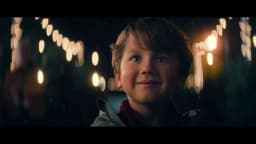
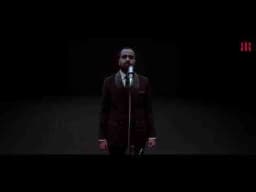
Quality Meats directed the creative execution of the Un-NIL Deal campaign around a single governing constraint: the person being sponsored cannot be shown, named, or identified in any conventional sense. That constraint, rather than limiting the work, becomes its generative engine. The film format leans into everything that mascot culture already conceals — the costume, the anonymity, the physical effort hidden beneath performance — and transforms concealment itself into the campaign's emotional argument.
Maxx Delaney, Global Creative Director at Quality Meats, described the brief's origin point in terms that reflect the brand's underlying logic. According to Muse by Clio, Delaney stated: "We asked ourselves what kind of athlete deserved an NIL deal from Duke Cannon. And what we found out was it was the one guy who couldn't sign an NIL deal, the anonymous mascot, who we felt earned it the most." That framing — earned it the most — does the creative work of aligning the brand's established values with a character the audience already knows exists but has never been asked to think about directly.
Jamie Stark, also a Global Creative Director at Quality Meats, confirmed per Muse by Clio that the agreement with the anonymous student inside the Cy the Cyclone costume runs for one full year, extending the campaign into the college football season and giving the work structural longevity beyond the March 2025 tournament window. Muse by Clio also reported that a bar of Duke Cannon soap used by the mascot during Iowa State's first game would be auctioned on eBay, adding a participatory, collectible layer to the campaign that extends its reach into consumer commerce. The film's narrative design, as documented by LBBOnline on March 13, 2025, centres on the central contradiction of signing an NIL deal with someone whose NIL the brand is contractually unable to use — a paradox the creative team treats not as a problem to resolve but as the campaign's most honest statement. Production credits beyond the two named creative directors are not publicly documented.
The Un-NIL Deal campaign generated documented public engagement within its initial weeks of release in the United States. According to Clapboard's own archive data, the campaign film recorded three thousand five hundred and sixty-three views, twenty-eight likes, and seven comments at the point of submission. These figures represent early organic traction rather than a full performance accounting, and no broader verified metrics — including paid reach, earned media value, sales lift, or brand tracking data — have been made publicly available by Duke Cannon or Quality Meats.
What the campaign demonstrates structurally is a sophisticated understanding of how narrative-led retail marketing generates press coverage without paid amplification. The concept was reported by Muse by Clio, DesignRush, LBBOnline, and Quality Meats' own LinkedIn channel within a twenty-four-hour window on March 13 and 14, 2025, suggesting the story was designed as a media object as much as an advertisement. That pattern — a single, inherently shareable insight driving trade and consumer coverage simultaneously — is consistent with how Quality Meats has approached brand storytelling across its client portfolio.
The decision to extend the sponsorship agreement through the college football season, as confirmed by Jamie Stark of Quality Meats per Muse by Clio, also signals that Duke Cannon is treating this as a platform rather than a single activation. For a brand competing against larger-budget incumbents in the United States grooming market, the Un-NIL Deal demonstrates that creative specificity — identifying and owning a cultural gap no competitor has claimed — can generate disproportionate attention relative to media spend. Duke Cannon receives a Clapboard Score of 69 out of 100 for this campaign.
Duke Cannon's Un-NIL Deal is a 2025 retail marketing campaign created by Quality Meats in the United States. It sponsors the anonymous student performing inside Iowa State's Cy the Cyclone mascot costume during March Madness, framing the deal around the fact that mascots cannot legally profit from their name, image, or likeness.
Quality Meats created the Un-NIL Deal campaign for Duke Cannon. Global Creative Directors Maxx Delaney and Jamie Stark led the creative work, with the campaign published in the United States in March 2025 and timed to coincide with the college basketball tournament period.
Duke Cannon sponsored a mascot because mascots are excluded from NIL compensation rules. The brand's positioning around hard work and unrecognised labour made the anonymous student inside Iowa State's Cy the Cyclone costume a natural fit, inverting the standard NIL playbook in a way no competitor had previously attempted.
The agreement lasts one year, according to Muse by Clio. Quality Meats Global Creative Director Jamie Stark confirmed the sponsorship extends beyond March Madness into the college football season, giving the Un-NIL Deal campaign sustained presence across two major United States college sports windows in 2025.
Duke Cannon's Un-NIL Deal received a Clapboard Score of 69 out of 100. The score reflects the campaign's strong conceptual originality and cultural timing against the March 2025 college basketball tournament, balanced against limited publicly verified performance data at the point of evaluation.
The Un-NIL Deal directly extends Duke Cannon's founding brand values of hard work, authenticity, and rewarding unrecognised effort. Founded in 2011 and acquired by Eos Products in November 2022 per MediaPost, Duke Cannon consistently aligns its United States marketing campaigns with figures who embody labour without public recognition.
.webp)
Creative Collaboration Platform: The Backbone of Modern Creative WorkWhat is a creative collaboration platform?Clapboard defines a creative collaboration platform as the operational core for today’s distributed creative teams. This is not a collection of digital collaboration tools stitched together; Clapboard’s system


Understanding the Creative Production MarketplaceWhat is a Creative Production Marketplace?Clapboard defines a creative production marketplace as a structured ecosystem where brands, agencies, and production talent converge to execute video, advertising, and branded content at scale. Unlike the legacy agency or freelanREAD FULL ARTICLE

The Urgent Need for a Creative Production Operating SystemWhy Traditional Creative Production Models Break DownClapboard sees the creative production landscape shifting under pressure. Content velocity is no longer a buzzword—it’s a mandate. Modern advertising demands relentless output across dozens of channels, each wREAD FULL ARTICLE