An invitation to serenity - Citroën | Clapboard Ad Archive
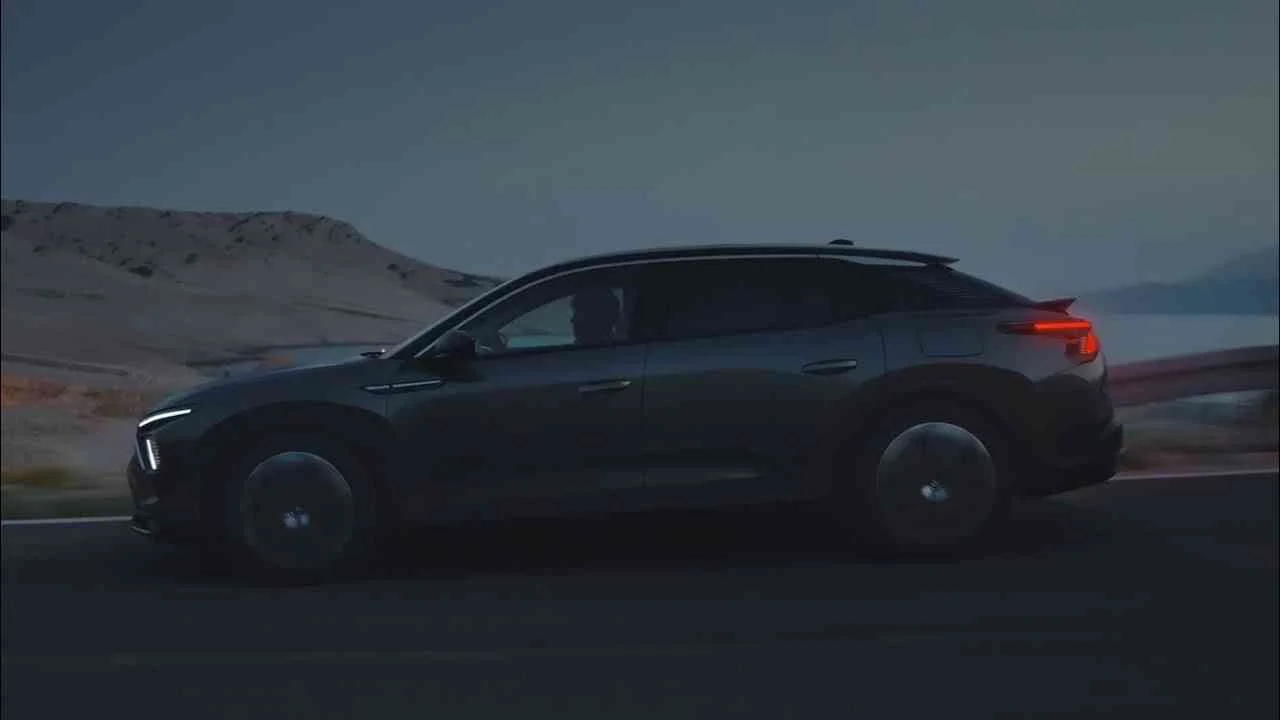
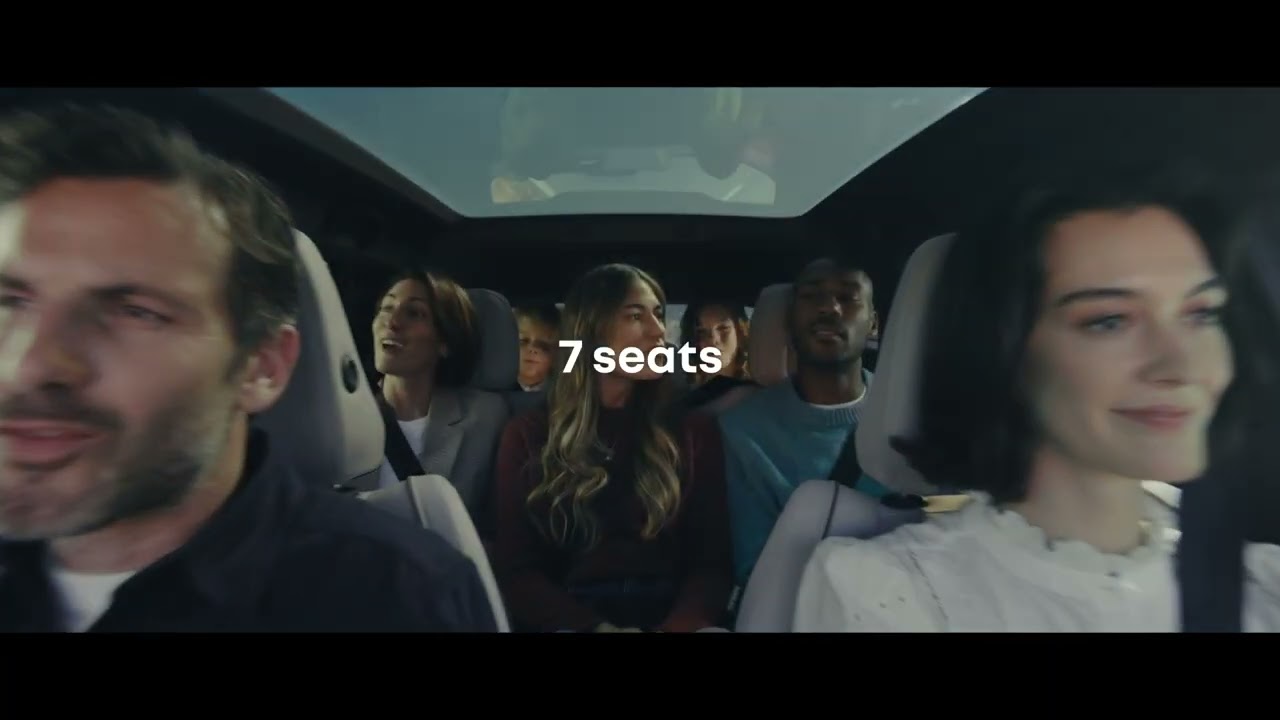
Citroën’s flagship C5 X arrives in the market category with a campaign that confidently centres serenity as luxury, using an invitational creative idea brought to life by BETC for the French marque’s grand tourer launch in the Year 2022. With the C5 X, Citroën redefines its comfort-led positioning by blending the elegant sweep of a saloon, the versatility and luggage capacity of an estate, and the elevated driving posture of an SUV—delivering a model that disrupts conventional car segmentation and projects a vision of modern automotive well-being. What Clapboard’s taxonomy would classify as FORMAT#9—Symbolize the Benefit, the campaign eschews functional demonstrations or overt product rationales, instead conjuring the sensation of floating and calm through visuals and language that dramatize the C5 X’s blend of Citroën Advanced Comfort active suspension, deep-cushioned seating, tuned acoustic insulation, and a rechargeable hybrid drivetrain with fully electric operation. BETC’s creative execution leans into exaggerated sensory metaphors—imagery and sonic cues suggest not just quietness but a cocooning isolation from the world, positioning the act of driving as an interlude of tranquility in everyday life, rather than a set of challenges to overcome. The absence of a direct narrative or character-led arc serves to universalise the feeling: the car is not solving obvious pain points, it is recalibrating the baseline for emotional comfort on the road, aligning with a new wave of automotive marketing that prioritizes well-being over horsepower or ostentation. This is a marked strategic divergence from the ambitions of French and German rivals—where the likes of Peugeot chase driver dynamism, Renault bets on urbane accessibility, and BMW and Mercedes-Benz anchor themselves in engineering excellence or status, Citroën claims the premium ground of sensory and emotional quality, inviting consumers to see luxury as a form of everyday serenity. The campaign’s single film asset achieves cohesion by way of consistent symbolic storytelling, using repeated motifs of light, reflection, and soothing soundscapes to maintain the analogy between the vehicle’s tech-enabled features and a state of mindful calm. Audience engagement is channelled into Citroën’s broader branded ecosystem through coordinated social media calls-to-action, extending the touchpoints for brand interaction and reinforcing Citroën’s expertise in both travel and digital engagement. Clapboard rates this 63/100. The campaign signals that in a crowded European market bristling with claims of innovation and performance, the path to differentiation may be paved with emotional truth, not mechanical theatre.











.webp)