Cars to Work (case study) - Renault, Dacia | Clapboard Ad Archive
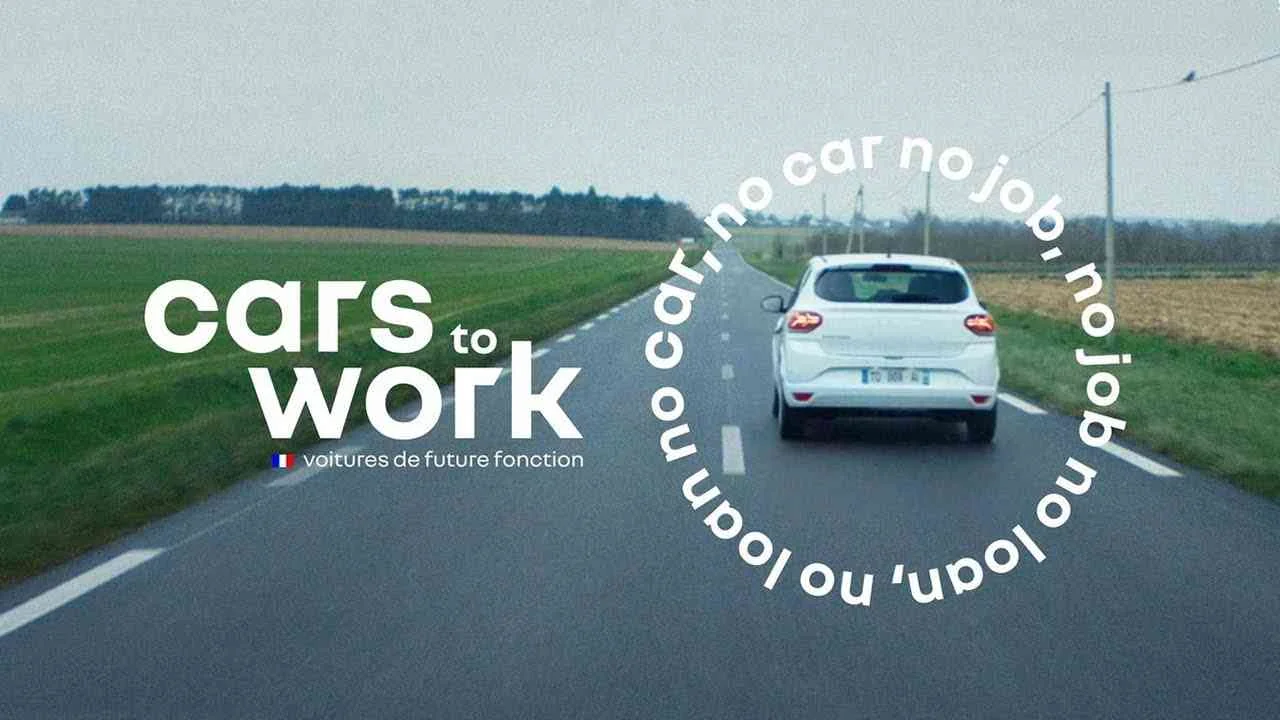
Renault’s Cars to Work campaign, developed with Publicis Conseil and launched in France in 2024, reframes automotive marketing by directly addressing a critical social challenge: mobility for low-income job seekers in remote regions, where reliable transport is often the gatekeeper to employment. Despite the CareMakers inclusive mobility program running since 2012, Renault recognized awareness and impact had lagged, prompting a strategic reset that introduced a radically empathetic leasing model—payments for new vehicles begin only after a candidate passes the employment probation period, with the option to return the car if the trial does not lead to a permanent role. This innovation, rooted in the realities of rural and peri-urban France, is both a communications and product solution, positioning Renault and Dacia as brands invested in enabling social mobility rather than simply selling cars. Partnering with France Travail, Adie, Caisse d’Epargne, Parcours Confiance, and Créasol, Renault leverages an ecosystem of social prescribers and microcredit institutions to ensure that the CareMakers offer is not only accessible but credible, integrating financial inclusion into the brand’s core value proposition. The campaign’s strategic significance is amplified by its timing: in the wake of the 2018 gilets jaunes protests, mobility has become a national flashpoint, and Renault’s intervention aligns the brand with broader public utility concerns while differentiating it from competitors in the automotive market category—namely PSA Groupe, Volkswagen, Hyundai, Toyota, and Citroën—who have not matched the program’s combination of risk mitigation and employment support. With eligibility tied to residency in metropolitan France, a professional mobility need, and a reference tax income below 14,000 euros, the program reaches the most vulnerable populations, with over 3,000 beneficiaries to date and impact metrics that show a 94 percent employment retention or acquisition rate and a 2.5-fold increase in permanent contracts. Applications are streamlined online and supported by a network of 300+ partner garages, reinforcing the campaign’s pragmatic, on-the-ground credibility. The creative approach sits squarely in what Clapboard’s taxonomy would classify as FORMAT#1—Demonstration, as the campaign’s communications focus is to transparently show the mechanics and social benefits of the new leasing model, substantiated by real-world outcomes rather than metaphor or narrative abstraction. The Cars to Work campaign has been recognized at the highest level, sweeping the Direct Grand Prix at Eurobest, the Creative Commerce and Sustainable Development Goals Grand Prix at Cannes Lions, and earning the D&AD Impact White Pencil, signaling its resonance across creative, business transformation, and social impact juries. The campaign earns 88/100 in Clapboard’s global creative archive. In a sector often preoccupied with technology and status, Cars to Work matters because it demonstrates how product design, communications strategy, and social utility can be fused to create tangible, measurable change for both brand and society.





.webp)