One Like One Drop - PAH | Clapboard Ad Archive
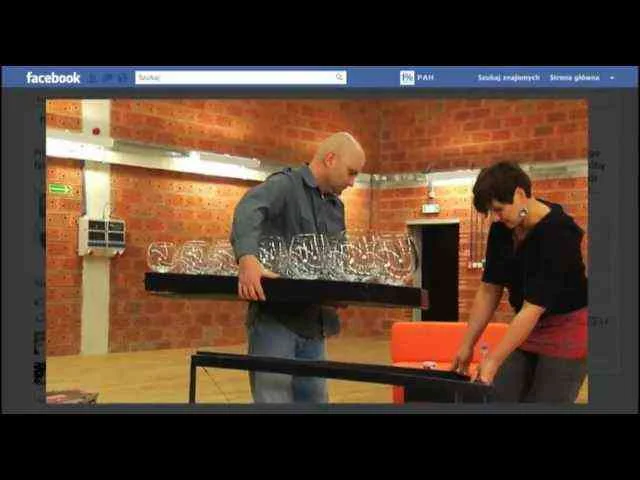
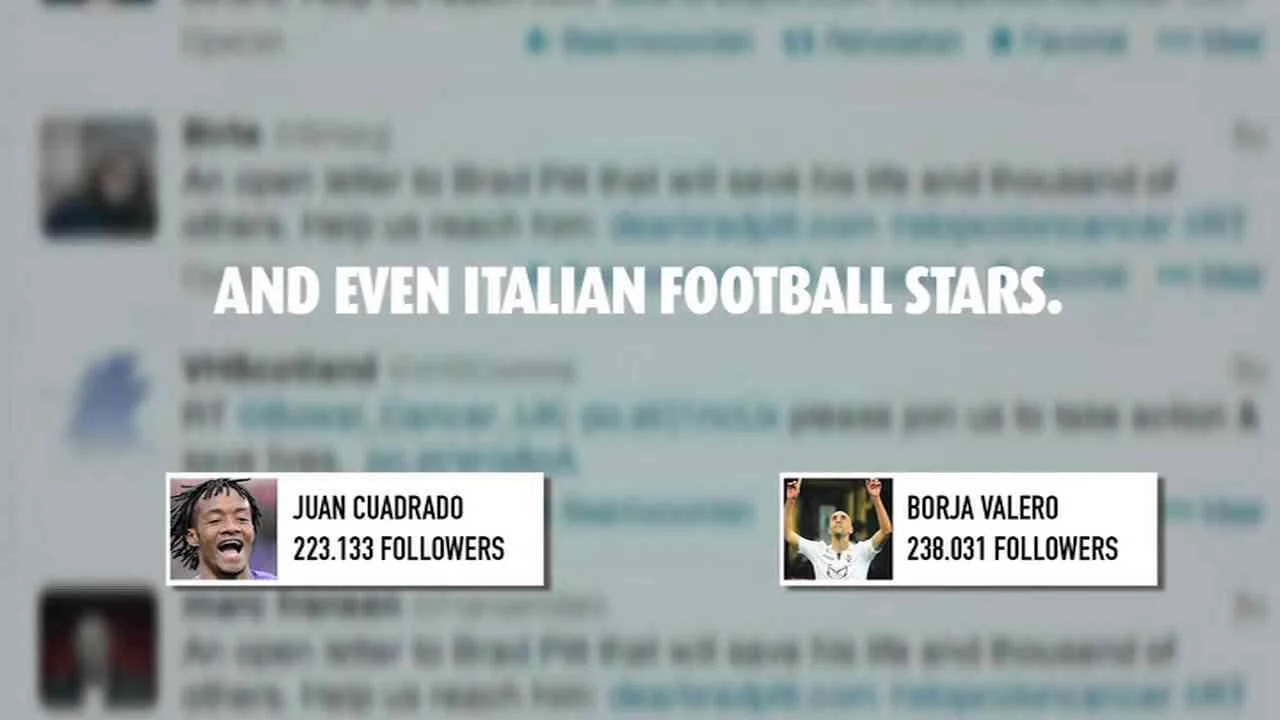
One Like One Drop, an inventive digital campaign launched in Year 2012 by PAH and agency JWT in Poland, set out to bridge the widening gap between passive digital engagement and real-world impact in the public service landscape with a participatory mechanic as its linchpin. Operating at the intersection of social experiment and documentary, the campaign’s central idea was as clear as it was direct: a single online like equals a single drop of water provided by PAH, demystifying what individual digital gestures can achieve within the context of humanitarian aid. Rejecting both abstraction and overblown dramatization, JWT’s approach instead foregrounded the cause in concrete, traceable action, positioning the campaign squarely in what Clapboard’s taxonomy would call FORMAT#1—Demonstration, in which the creative work transparently displays both the capability and benefit of a charitable act, reducing ambiguity for an audience accustomed to ephemeral digital affirmations. By making the mechanism explicit—watch, like, see the water flow—the campaign lowered the psychological and procedural thresholds for participation, cleverly recognizing that, for digitally native or digitally fatigued users, the principal challenge was not apathy but friction. The digital and social experiment genre, critical for authenticity, provided a measured but emotionally resonant backdrop that made every interaction count, reframing the habitual act of liking not as empty virtue signaling but as a quantifiable means to community support. Unlike the dominant Polish public service organizations—Caritas Polska’s moral gravitas or the Polish Red Cross’s emergency-driven, high-trust approach—PAH and JWT positioned One Like One Drop as a rallying point for a digitally native, socially conscious cohort who needed to see the direct translation of their engagement. That transparency and direct reciprocity set it apart in a market where charity appeals often rely on broad emotional cues or statistics, offering instead an intimate, visible return on individual participation. The campaign earns 61/100 in Clapboard’s global creative archive. One Like One Drop occupies a crucial place in the evolution of public interest communication because it demonstrates how agencies can convert digital proximity into real contribution when they reframe the value of everyday online actions within a measurable, transparent social mechanism.






.webp)