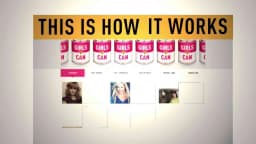
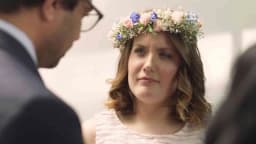
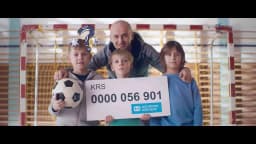
The "One Like One Drop" campaign by PAH, launched in Poland in 2012, operates within the public service category and leverages a digital documentary/social experiment format to engage its audience. The brand proposition centers on fostering individual contribution and social responsibility, suggesting that even a seemingly small action—symbolized by a single "like" on digital platforms—can have a meaningful impact akin to a single drop contributing to a larger whole. This promise aims to translate passive online engagement into real-world support for humanitarian efforts associated with PAH.
Strategically, the campaign taps into the rising digital culture of social media interaction by aligning charitable participation with the familiar act of "liking" content online. By doing so, it reduces the psychological and practical barriers to involvement, making charitable action accessible and tangible for a digitally connected but potentially disengaged audience. The creative angle as a documentary/social experiment provides authenticity and encourages reflection, presenting the cause in a relatable, measurable context rather than through overt appeals. This approach aligns with the insight that modern audiences, especially in 2012, respond well to interactive, participatory online content that connects personal behavior with larger social outcomes. The campaign’s modest engagement metrics suggest a niche but focused impact, emphasizing quality of engagement over scale.
FORMAT#1 DEMONSTRATION — Directly shows how a product works and highlights its benefits.
The campaign 'One Like One Drop' for PAH employs a documentary/social experiment genre in the public service sector, suggesting a real-time experiment where digital engagement ('likes') translates directly into tangible aid (water drops). The title itself, "One Like One Drop," indicates a straightforward demonstration of how a social media action leads to a measurable outcome, bypassing narrative storytelling or metaphor. There is no indication of a symbolic device, problem dramatization, or testimonial structure—rather, the creative hinges on visibly showing the mechanism (likes generate real-world impact), making DEMONSTRATION the decisive format.
ADVERTISING FORMATS EXPLAINED: https://www.clapboard.com/blog/branding-and-advertising/brand-strategy/12-advertising-creative-formats
1. Caritas Polska – Market Positioning
Caritas Polska is positioned as the largest and most established humanitarian organization in Poland, leveraging its deep Catholic roots and extensive volunteer network. It focuses on holistic social aid, disaster relief, and long-term community development, emphasizing compassionate service embedded in moral and religious values.
2. Polski Czerwony Krzyż (Polish Red Cross) – Market Positioning
The Polish Red Cross positions itself as a trusted provider of emergency response, healthcare, and humanitarian aid, with a strong focus on disaster preparedness and blood donation programs. Its global affiliation lends credibility and access to extensive resources for both domestic and international relief efforts.
3. Fundacja Dajemy Dzieciom Siłę (formerly Child’sRights.org) – Market Positioning
Specializing in child protection and advocacy, this foundation differentiates itself through education, research, and preventive programs targeting violence against children. They emphasize evidence-based interventions and policy influence, uniquely blending social services with legislative advocacy.
4. Fundacja Piękniejszego Świata – Market Positioning
This NGO focuses on providing aid to marginalized communities, highlighting transparency and innovative fundraising campaigns. Their strategic angle includes leveraging digital platforms for donor engagement and emphasizing sustainable development projects to create long-lasting impact.
5. Stowarzyszenie Wiosna (The Spring Association) – Market Positioning
Known for initiating the annual “Szlachetna Paczka” (Noble Package) charitable project, Wiosna positions itself around community involvement and personalized aid delivery. Its emphasis on volunteerism and connecting donors directly with beneficiaries creates a unique, emotionally resonant approach in the public service sector.
Q: What is One Like One Drop about?
A: One Like One Drop is a digital campaign launched in Poland in 2012 for the public interest organization PAH, created by the agency JWT. The campaign centers on a documentary and social experiment format, demonstrating how individual digital engagement—specifically, a single like on social media—can translate into tangible humanitarian aid, symbolized by a drop of water. Designed to foster social responsibility and community support, the campaign leverages digital platforms to make charitable action accessible and measurable for a modern, digitally connected audience.
Q: What creative device does One Like One Drop use?
A: One Like One Drop employs the DEMONSTRATION format, as classified by Clapboard’s 12-format taxonomy. This approach directly shows how a social media action—liking a post—results in a real-world benefit, bypassing narrative storytelling or metaphor. The campaign’s creative hinges on a visible, measurable mechanism where each like equates to a drop of aid, making the impact of digital engagement clear and immediate. This straightforward demonstration aligns with the campaign’s documentary and social experiment genre, enhancing authenticity and audience understanding.
Q: What is the campaign proposition for One Like One Drop?
A: The campaign proposition for One Like One Drop positions PAH as a facilitator of meaningful social contribution, targeting a digitally active but potentially disengaged audience. By equating a single like to a drop of aid, the campaign asserts that even small, everyday digital actions can collectively drive real humanitarian impact. This strategy reduces barriers to participation and reframes passive online behavior as a force for good, aligning with the public service sector’s goals of fostering individual responsibility and community engagement in support of PAH’s humanitarian mission.
Q: How does One Like One Drop rank in Clapboard's archive?
A: One Like One Drop holds a Clapboard Campaign Score of 61/100 in Clapboard’s global ad archive. This score reflects the campaign’s creative ambition, execution quality, and cultural relevance as evaluated by Clapboard’s curatorial standards.
Q: Who are the competitors in PAH's category?
A: In the public service sector, PAH competes with several established organizations. Caritas Polska leads as the largest humanitarian group in Poland, rooted in Catholic values and broad volunteerism. The Polish Red Cross is recognized for emergency response and healthcare, leveraging its global network. Fundacja Dajemy Dzieciom Siłę stands out for child protection and advocacy through research and policy work. Fundacja Piękniejszego Świata emphasizes transparency and digital fundraising for marginalized communities, while Stowarzyszenie Wiosna is known for its personalized aid and community-driven initiatives like the annual Szlachetna Paczka project.


 ARCHIVE
.webp)