The "Cyberbullying hurts too" campaign by Magnum Opus addresses the escalating issue of cyberbullying among young people, positioning the Cyberbullying brand as a public interest advocate aiming to raise awareness and foster empathy around the emotional impact of online harassment. The campaign’s core proposition is a direct appeal to viewers’ social responsibility, emphasizing the real and lasting harm cyberbullying inflicts, thus encouraging active sharing and dissemination of its message to promote societal change.
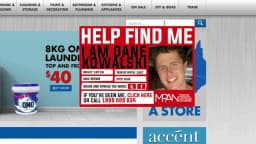
Strategically, the campaign leverages the documentary and social experiment genre to deliver an authentic, emotionally resonant narrative. By using a relatable, real-world approach rather than overtly didactic messaging, it seeks to engage a broad Australian youth audience and those connected to their welfare in a candid conversation about the consequences of bullying in digital spaces. The video aims to create a grassroots social movement by inspiring organic sharing and dialogue, banking on the viral potential of personal stories and emotional realism to extend reach beyond traditional public service announcements. The inclusion of real individuals in the production process adds credibility, while the understated creative approach underscores the seriousness of the issue without sensationalism. This insight-driven, socially conscious angle aligns the campaign’s messaging with broader public interest goals, targeting both young victims of cyberbullying and their communities to motivate behavioral reflection and support for anti-bullying initiatives.
FORMAT#2 SHOW THE PROBLEM — Highlights a relatable problem, then shows the product as the solution.
This campaign fits FORMAT#2 because its sole purpose is to directly depict the reality and emotional impact of cyberbullying—a widespread and relatable social issue among young people. The genre is documentary/social experiment, suggesting the video centers on revealing the problem through real or staged scenarios rather than symbolic visuals, celebrity use, or storytelling built around a resolution provided by a product. The campaign’s call to action—“Please share and spread the word”—and the lack of any mention of a product-driven resolution reinforce that its primary creative device is highlighting the problem in order to raise awareness, making the pain of cyberbullying visible so viewers will recognize its seriousness and act.
1. Bullying. No Way! – Positioned as a comprehensive national anti-bullying initiative focused on schools and educators, it emphasizes prevention through education, resources, and support to foster safe learning environments across Australia.
2. The Alannah & Madeline Foundation – Differentiates with a holistic child safety approach, combining advocacy, education, and direct intervention programs targeting violence and cyberbullying, emphasizing empowerment and resilience among young people.
3. eSafety Commissioner – Positioned as the Australian government’s leading authority on online safety, it provides regulatory oversight, educational resources, and reporting mechanisms specifically aimed at reducing online harassment and cyberbullying.
4. Headspace – Focuses on youth mental health, indirectly addressing cyberbullying by providing accessible counseling and support services, positioning itself as a holistic mental wellness brand for young people facing social and emotional challenges.
5. ReachOut Australia – Strategic angle centers on digital mental health support, offering online tools, peer stories, and expert advice, making mental health and bullying-related assistance easily accessible to young Australians via digital platforms.
Q: What is Cyberbullying hurts too about?
A: Cyberbullying hurts too is a professional campaign launched in Australia in 2012 by the ad agency Magnum Opus for the Cyberbullying brand. Created as a film for the public service sector, the campaign addresses the escalating issue of cyberbullying among young people. Directed by Pat Langton, with cinematography and visual effects by Matt Langton and featuring actor Meghan Langton, the campaign uses a documentary and social experiment approach to depict the emotional and psychological impact of online harassment. Its central creative idea is to raise awareness and spark dialogue about the real harm caused by cyberbullying, encouraging viewers to share the message and foster a more empathetic digital environment.
Q: What creative device does Cyberbullying hurts too use?
A: Cyberbullying hurts too employs FORMAT#2 SHOW THE PROBLEM, as classified by Clapboard's 12-format taxonomy. This creative device is characterized by directly highlighting a relatable problem—in this case, the emotional and psychological effects of cyberbullying—without offering a product-driven solution. The campaign uses a documentary and social experiment genre to depict real or staged scenarios that make the pain of cyberbullying visible, aiming to prompt recognition and action from viewers. The absence of sensationalism or overt didacticism reinforces the authenticity and urgency of the issue, aligning with Clapboard’s established creative format classification.
Q: What is the campaign proposition for Cyberbullying hurts too?
A: The campaign proposition for Cyberbullying hurts too positions the Cyberbullying brand as a public interest advocate, directly appealing to viewers’ sense of social responsibility. The campaign targets young people affected by cyberbullying and their communities, emphasizing the real and lasting harm inflicted by online harassment. By leveraging authentic storytelling and a documentary approach, the campaign seeks to foster empathy, encourage active sharing, and inspire dialogue. This strategic positioning is designed to create a grassroots movement, making the emotional impact of cyberbullying visible and motivating collective action to support victims and promote a more compassionate digital culture.
Q: How does Cyberbullying hurts too rank in Clapboard's archive?
A: Cyberbullying hurts too holds a Clapboard Campaign Score of 60/100 in Clapboard's global ad archive. This score reflects the campaign’s creative ambition, the quality of its execution, and its cultural relevance within the public service advertising sector.
Q: Who are the competitors in Cyberbullying's category?
A: In the public service and online safety category, Cyberbullying faces competition from several key initiatives. Bullying. No Way! is positioned as a national anti-bullying program focused on prevention and education in schools, while The Alannah & Madeline Foundation takes a holistic approach to child safety, combining advocacy and intervention. The eSafety Commissioner serves as the Australian government’s authority on online safety, offering regulatory and educational resources. Headspace addresses youth mental health with accessible counseling and support, and ReachOut Australia provides digital mental health tools and peer support, making assistance for bullying and related issues readily available to young Australians.


 ARCHIVE
.webp)