


Honest Sticker
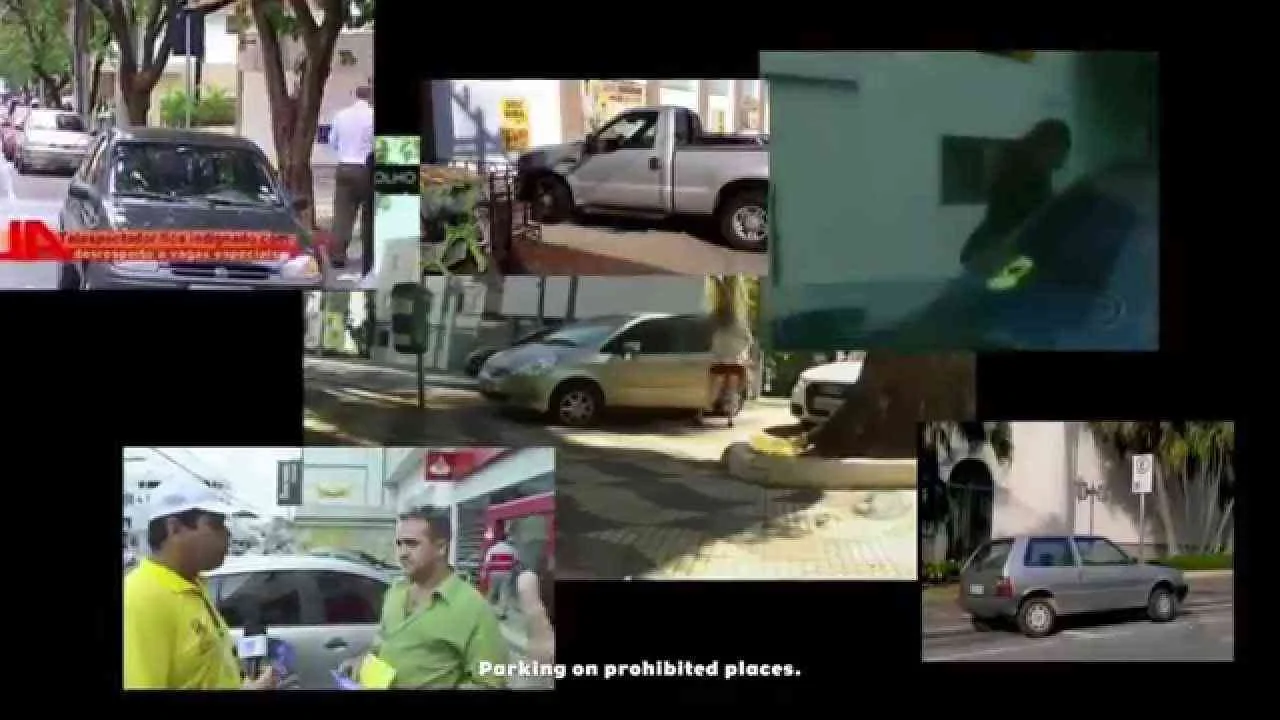
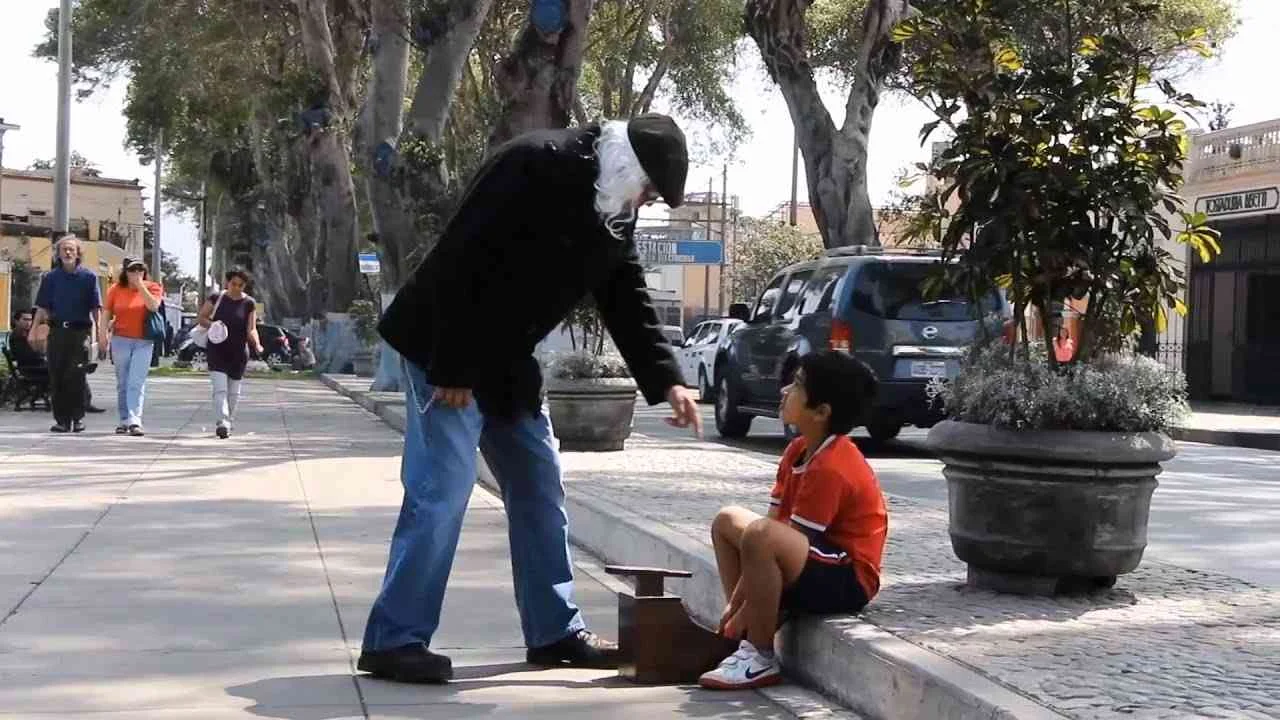
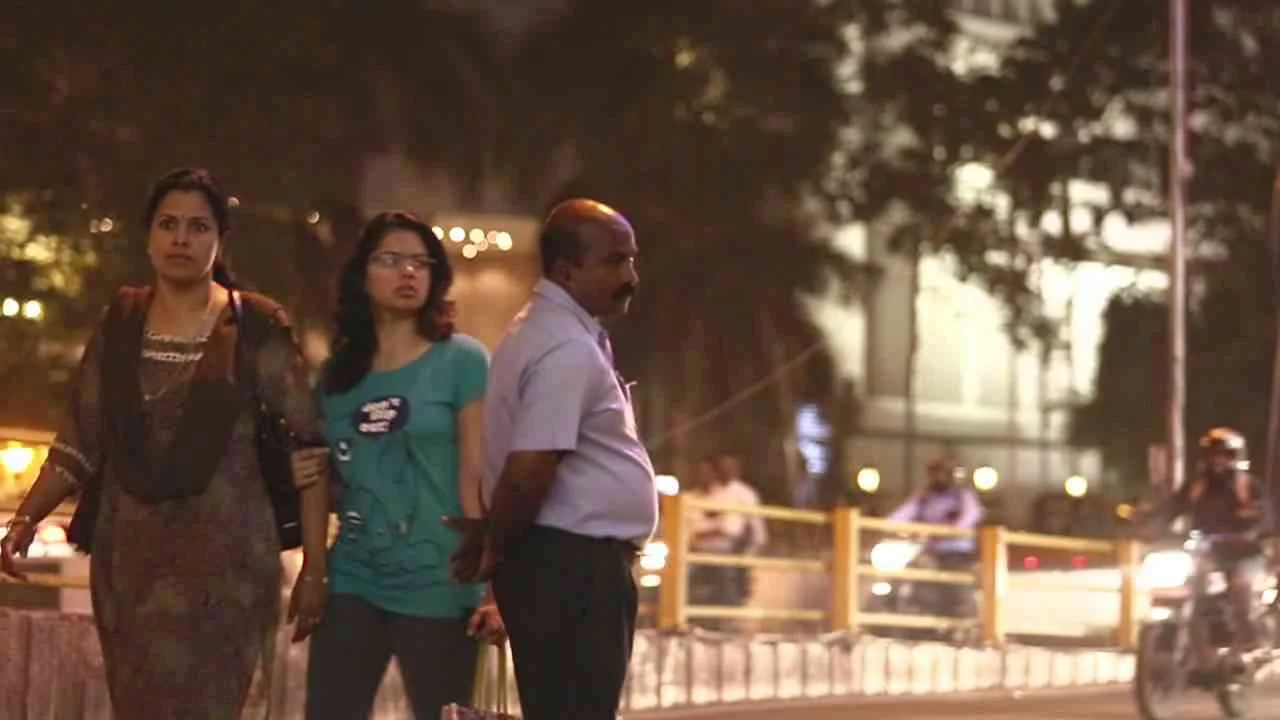
The Honest Sticker campaign, launched in Brazil in December 2014 for Santa Casa de Misericórdia by JWT, employed an innovative Ambient advertising approach to deliver a powerful message in the Public Interest sector. This campaign creatively utilized a simple yet impactful medium—stickers—to engage the public in a meaningful dialogue about honesty and integrity within healthcare services. By placing these stickers in strategic locations, the campaign aimed to foster transparency and trust between patients and healthcare providers, highlighting the importance of ethical behavior in medical environments. Its design and execution harnessed the everyday interactions of people within the city of Porto Alegre, making the message not only visible but also relatable and thought-provoking. Through this subtle yet effective intervention, Honest Sticker sought to raise awareness about institutional accountability and encourage a culture of openness and responsibility. The campaign's ambient nature allowed it to seamlessly blend into the urban landscape, extending its reach beyond conventional advertising spaces and inviting spontaneous engagement from a diverse audience. With a professional and culturally resonant concept, the campaign resonated with viewers, as reflected in its measured social interactions, including over a thousand views and positive engagement, marking it as a notable contribution to social messaging in the region. Ultimately, Honest Sticker exemplified how creative advertising strategies could drive meaningful conversations and promote public welfare, reinforcing Santa Casa de Misericórdia’s commitment to community trust and healthcare excellence.








.webp)


