A global collection of humorous ads using wit, timing, exaggeration, and character-driven comedy.
Humour











The evolution of hooking up
Humour
The evolution of hooking up
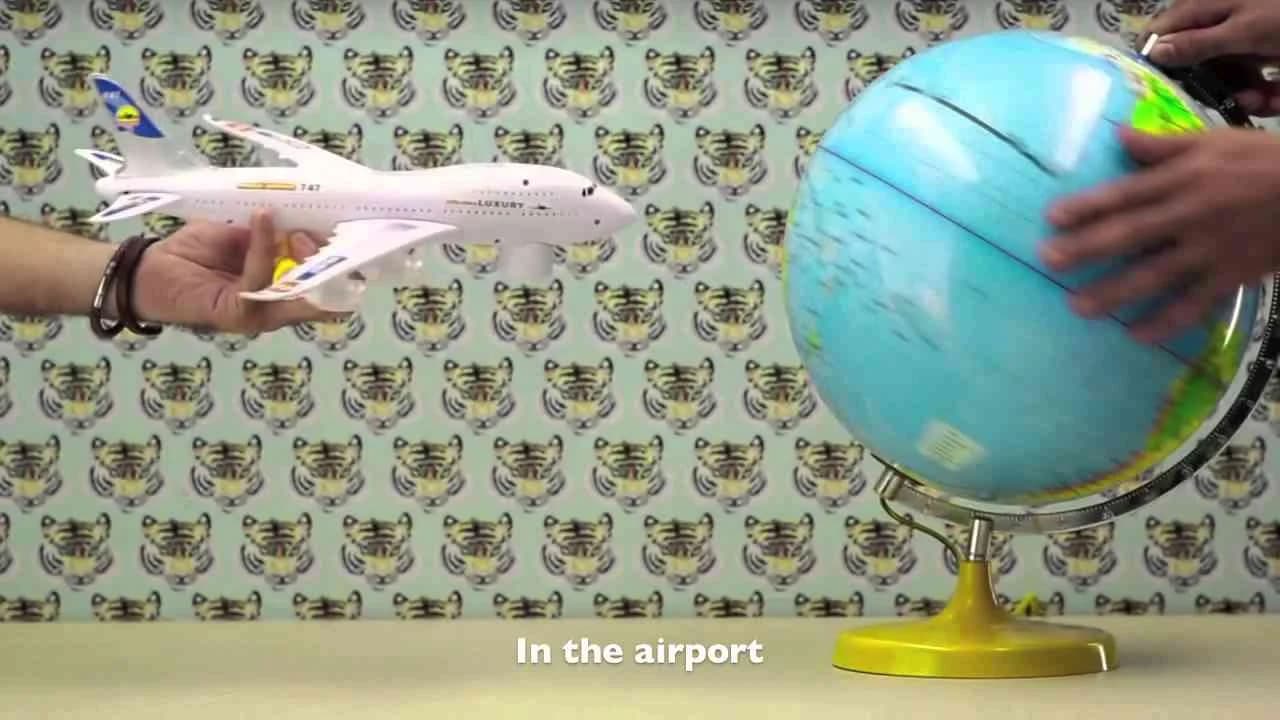
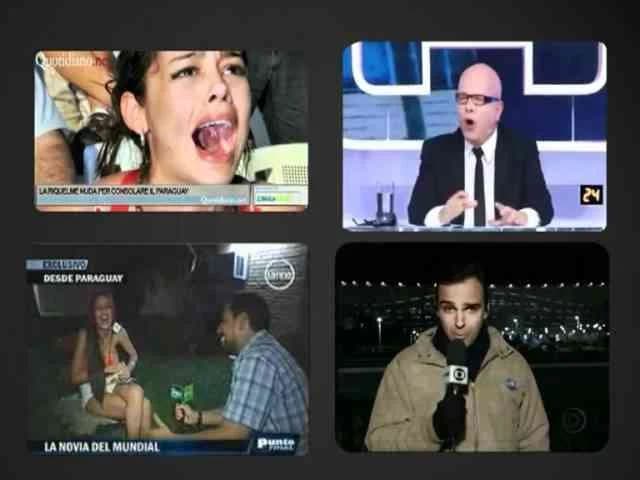
Launched in Egypt in November 2014, Axe's campaign The evolution of hooking up offers a fresh digital perspective within the health industry. Developed by the ad agency Digital Republic, this campaign leverages a single compelling media asset to engage a digitally savvy audience. By exploring contemporary social dynamics around personal connections and attraction, the campaign aligns Axe's brand identity with themes of confidence, appeal, and modern interaction rituals. The choice of a digital medium underscores a strategic emphasis on reaching consumers where they spend significant time, enhancing brand relevance in everyday digital environments. With nearly five thousand views and positive engagement reflected in likes, the campaign demonstrates effective resonance with its target market. As a thought-provoking and culturally attuned piece, it not only reinforces Axe’s position in personal care but also stimulates conversation around evolving social behaviors, ensuring the brand remains top of mind in conversations related to attractiveness and personal health. This campaign exemplifies how well-crafted digital content can merge brand messaging with societal themes to create meaningful connections and drive consumer interest.
Easy "Vampire" Life, Easy "Zombie" Life
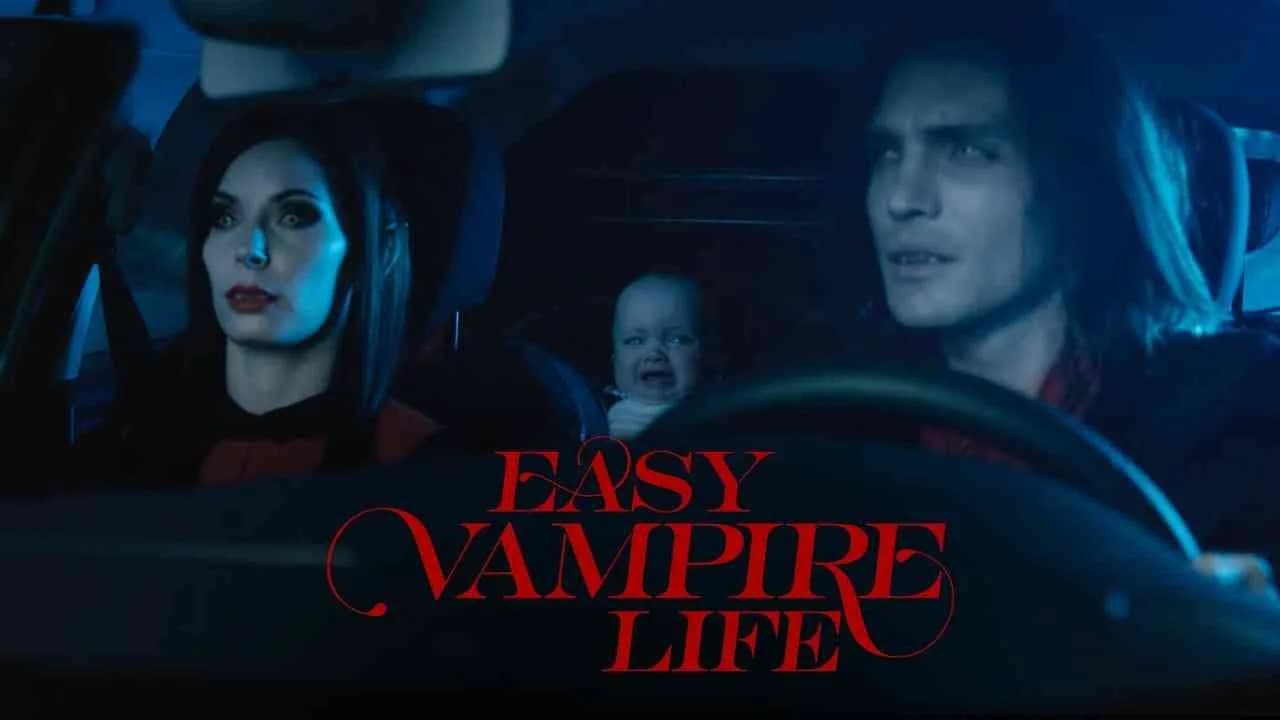
In October 2017, Renault teamed up with Publicis Conseil and The Loft to launch an innovative film campaign titled Easy "Vampire" Life, Easy "Zombie" Life, aimed at reinforcing the brand’s core value of making daily life easier for its customers. Capitalizing on the Halloween season, the campaign creatively used humor by featuring iconic spooky characters—a vampire family and a zombie family—who encounter everyday challenges similar to those faced by humans. Through two short digital films, Renault showcased how its automotive innovations, such as removable and washable seat trims, provide practical solutions that ease these quirky yet relatable dilemmas. For example, the vampire family drives their Renault Captur under the moonlight when the baby cries due to hunger and ends up vomiting on the car seat, but thanks to Renault’s thoughtful features, the parents find managing these moments worry-free. This playful narrative not only aligned perfectly with the Halloween festivities but also deepened audience awareness of Renault’s Easy Life philosophy, positioning the brand as a forward-thinking partner in everyday life. The campaign was thoughtfully directed by Thomas Leisten Schneider and produced by La PAC, combining creativity and strategic brand messaging to engage digital audiences. Carine Gailliez, Global Content & Media Director at Renault, emphasized the ongoing partnership with The Loft, noting that this campaign was part of a wider content strategy targeting key calendar moments to continuously highlight Renault’s innovation-led approach. Patrick Lara, Managing Director at Publicis Conseil, highlighted the importance of balancing bold seasonal relevance with meaningful brand storytelling by inviting Halloween characters to embody the consumer experience. Together, these films brought together brand values, cultural relevance, and entertainment to create a memorable marketing activation in the automotive sector.
Casual Friday at Buckingham Palace
The Casual Friday at Buckingham Palace campaign for Geico Insurance, developed by The Martin Agency and launched in the United States in October 2017, presents a bold and memorable approach within the finance industry by leveraging humor and relatability to enhance brand engagement. Utilizing the film medium, this campaign creatively reimagines the revered formal setting of Buckingham Palace by introducing a playful twist that resonates with everyday consumers, conveying the message that Geico understands and supports their needs in a lighthearted manner. The campaign strategically employs a casual, accessible tone to demystify insurance, an often complex and intimidating subject, thereby strengthening Geico’s position as a friendly and approachable insurer. By juxtaposing the iconic imagery of Buckingham Palace with the informal concept of Casual Friday, the advertisement effectively captures attention, encouraging viewers to connect emotionally with the brand while reinforcing Geico’s promise of straightforward, reliable service. The single media asset maximizes impact through sharp storytelling and high production values, showcasing The Martin Agency’s expertise in creating compelling narratives that align with consumer values and market trends. Overall, this campaign embodies a sophisticated balance between creativity and clarity, ensuring that audiences not only remember the advertisement but also internalize Geico’s value proposition in an enjoyable and memorable way, ultimately driving brand recall and favorability in a competitive financial sector. This unity of creative concept and strategic messaging highlights the campaign’s success in delivering powerful advertising within the film format.
Boxes
The 'Boxes' campaign, launched in Sweden in November 2017 for Uber by Forsman & Bodenfors, leverages powerful visual storytelling to address the critical issue of urban congestion in Asia’s largest cities. This impactful film uses cardboard boxes to symbolize cars, creatively illustrating the overwhelming and often absurd traffic conditions faced by commuters. Set against the vibrant backdrop of Bangkok, with around 200 extras enhancing the sense of scale, the campaign humorously yet poignantly portrays a city overtaken by these box "vehicles," underscoring the unsustainable nature of current transportation systems. The choice of the upbeat and familiar soundtrack "Bare Necessities" from Disney’s 1967 classic The Jungle Book adds a playful yet memorable tone, making the serious message more relatable. As Uber’s first brand purpose campaign, 'Boxes' not only highlights the challenges within urban mobility but also aligns with the brand’s mission to foster smarter, more efficient ways to move people. Through the tagline Let's create better cities. Let’s ride together., the campaign calls for collective action and emphasizes Uber’s role in unlocking cities and improving transportation realities. The campaign’s digital presence is reinforced by multiple engagement points, including the official video available on YouTube, behind-the-scenes content, and active social media channels across Facebook, Twitter, and Instagram, encouraging viewers to connect and participate in the movement towards better urban mobility. With over 400,000 views, the film successfully blends humor with a compelling narrative, inviting audiences to imagine a world where cities are no longer gridlocked and where technology and community come together to enhance everyday journeys, embodying Uber’s promise that good things happen when people can move freely and easily.
Grills Gone Wild, Smile on My Face, Madness of March - SPAM | Clapboard Ad Archive
Spam’s 2013 campaign Grills Gone Wild, Smile on My Face, Madness of March positions the brand at the intersection of food innovation and digital engagement through the animated persona of Sir Can-A-Lot, whose daily video appearances transformed a traditional pantry staple into a character-led social media force. Orchestrated by BBDO for the US market, the campaign recognized that March is a time of culinary and content monotony for many consumers—reliable, uninspired meals and stale social posts—and set out to break that cycle with a compelling antidote: a recurring animated knight who not only delivered comedic meal tips and recipes but also embodied Spam’s sense of humor and self-aware retro appeal. The campaign’s structural decision to cast Sir Can-A-Lot as its hero aligns closely with what Clapboard’s taxonomy identifies as FORMAT#8—Ongoing Characters or Celebrities, leveraging a distinctive, recurring personality for both immediate recognition and sustained engagement. Rather than relying on traditional product demonstrations or narrative arcs, Spam and BBDO made the character device the central pillar, using Sir Can-A-Lot’s banter and relentless positivity to inject the brand into the digital routines of food enthusiasts and casual social media users alike. The daily cadence of content—anchored by clickable interaction via spam.com and the hashtag #BreakTheMonotony—invited audiences into a participatory campaign with shareable assets designed for Twitter, YouTube, and what Sir Can-A-Lot wittily called FaceTube, positioning Spam not just as a mealtime option but as a cultural commentator on digital boredom. The campaign’s three core media assets worked in tandem to build continuity, encouraging followers to not only trial new recipes but to become active contributors in the mission to subvert both dinnertime dullness and online sameness. With its roots in Spam’s 75th anniversary character launch, the work inherits equity while propelling the brand into a fresh, meme-ready digital era, reinforcing Spam’s status as an adaptable, relevant heritage player in the food and drink category. In a marketplace awash with static food marketing, Grills Gone Wild, Smile on My Face, Madness of March achieved memorability through animation and tone, avoiding product earnestness in favor of a wink and a rallying call for novelty across platforms. Clapboard rates this 63/100. By reimagining branded content through a campaign-specific protagonist, Spam and BBDO demonstrate how ongoing character formats can extend a legacy brand’s voice far beyond the supermarket shelf when playful utility and consistent digital storytelling are aligned.
Jokergirl viral - | Clapboard Ad Archive
Jokergirl burst onto the digital scene in Year: 2007, redefining boundaries in the fashion market category through a viral campaign that fused rebellious humor with fashion-forward attitude and leveraged emerging digital platforms to create an unforgettable persona. With the campaign centered solely on the unfiltered character of Jokergirl — whose aspiration to be a sit-down comedian sets a cheeky, subversive tone — the effort eschewed traditional product-centric messaging in favor of authentic, personality-driven storytelling that resonated with early online communities. Launched primarily through Jokergirl's Myspace profile and distributed exclusively in English, the campaign targeted digital natives with a sharp, NSFW comedic voice, using provocation and direct engagement to challenge the staid conventions of fashion marketing at the time. In an approach that sits squarely in Clapboard's FORMAT#11—Unique Personality Property taxonomy, Jokergirl's unabashed, singular identity served as both the medium and the message, making her persona the campaign’s defining brand property and a rallying point for audiences drawn to disruption and niche online humor. By anchoring its creative entirely in one vivid media asset and channeling the personal, informal tone of early social media, the campaign demonstrated a forward-thinking grasp of the increasing power of digital distribution channels to shape both brand narrative and consumer loyalty — a move that presaged the rise of influencer-driven and meme-based content as cornerstones of contemporary fashion communication. With its provocative edge and comedic sensibility, Jokergirl carved out a distinctive space within the crowded online landscape for apparel messaging and catalyzed a new wave of campaigns that would later lean on authentic, risky, and personality-led narratives to capture the attention of internet-savvy consumers. Clapboard rates this 63/100. This campaign matters because it anticipates the shift from polished, top-down branding to raw, personality-centric storytelling that continues to animate fashion’s most viral ideas.
The wife - Golfnow | Clapboard Ad Archive
Golfnow’s 2009 campaign The wife, conceived by Evolution Bureau for the Professional Services sector and situated firmly within the travel and leisure category, typifies a sharp shift in communications strategy for golf brands seeking contemporary relevance and broader appeal. Channeling humor as its creative engine, the film centers on the perennial tension familiar to golf enthusiasts: balancing a passion for the course with everyday relationship dynamics. By foregrounding a scenario in which a golfer must artfully negotiate with his partner for coveted tee time — a challenge instantly recognizable to its core and casual audiences alike — the commercial distills the primary barrier to play down to a simple, wryly presented conflict. Through quick-witted storytelling, the spot seamlessly pivots from domestic negotiation to the easy utility of Golfnow.com, illustrating how technology sidesteps hassle and positions the brand as a frictionless solution to real-life obstacles. The device at play echoes what Clapboard’s taxonomy would classify as FORMAT#2—Show the Problem, an approach that leverages humor and relatability to move the product from background convenience to indispensable facilitator of leisure. Evolution Bureau’s understanding of social nuance and audience anxieties allows the campaign to walk a fine line between gentle parody and actionable marketing, helping Golfnow emerge from the shadow of dated, exclusionary golf advertising into a space characterized by inclusivity, wit, and approachability. The simplicity of the construct — one problem, one solution, one touchpoint — signals a strategic clarity, making the most of its film medium’s expressive potential while reinforcing the brand’s unique value proposition: booking tee times should be as satisfying and straightforward as the game itself. Clapboard rates this 48/100. The campaign matters to the industry because it demonstrates how familiar relationship humor, when paired with an intelligent service solution, can humanize a category often defined by tradition and transform user utility into an emotional brand connection.
Night concert - Respir Active | Clapboard Ad Archive
Respir Active’s Night Concert campaign, launched by Grey Budapest in the Hungarian market in Year: 2009, tackled the universal problem of snoring through a digitally led, quirky viral film that captured the imagination of health-conscious consumers ready for a dose of levity with their sleep solutions. Set against the everyday disruption caused by snoring, Night Concert sidestepped literal depiction in favour of a creative analogy, reimagining the nighttime ordeal as an absurd and memorable concert event — an approach that sits squarely within Clapboard’s FORMAT#3—Symbolize the Problem, which leverages playful metaphor as a device to externalize and dramatize the issue. Grey infused the campaign with the kind of humor that plays well with online audiences, deploying a low-budget, accessible visual style that extended the relatability of the premise while keeping the focus on the real-life consequences — the nightly bedlam snorers cause for their partners and families. By using English-language content, the agency strategically positioned Respir Active as both a local and globally relevant solution, signaling to its audience that snoring is a culturally agnostic disruption, and making it easier to achieve digital spread beyond the immediate Hungarian context. Rather than a didactic demonstration or heavy-handed testimonial, the film’s exaggerated premise becomes the mnemonic bridge to brand recall, as viewers are invited to recognize their own nocturnal struggles in a scenario that feels both familiar and humorously overblown. This simplification elevated engagement, sidestepped the awkwardness often present in health communication, and positioned Respir Active nasal strips as an obvious, empowering answer to the chaos. The brand’s willingness to forgo high production values and celebrity endorsements in favor of a viral, share-worthy approach mirrors best-practice digital health marketing circa Year: 2009, where message clarity and emotional connection trump slickness, and where smart creative can stretch a modest budget much further online than on linear TV. While Night Concert may not have become a breakout cultural phenomenon, its use of storytelling and symbolic devices within the fiercely competitive healthcare category demonstrated Grey Budapest’s attunement to both strategic insight and creative opportunity. The campaign earns 59/100 in Clapboard’s global creative archive. Night Concert is a reminder to health marketers that memorable analogies and an honest, approachable tone can turn an everyday nuisance into a creative platform that connects and converts, so long as the execution never loses sight of consumer empathy.
Safe for work, Side Assist Office - Volkswagen | Clapboard Ad Archive
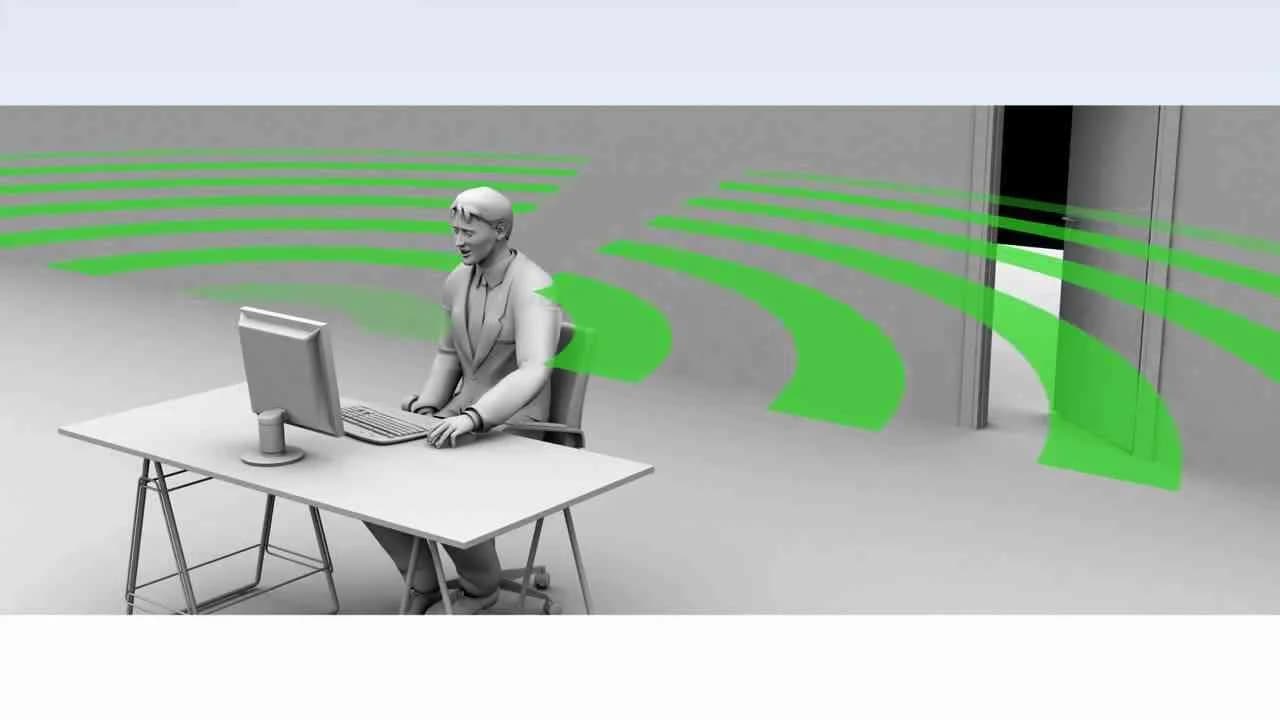
Volkswagen’s Side Assist Office campaign, created by Grabarz & Partner for the automotive market in Germany in 2011, is a sharp demonstration of how technology’s relevance can be projected well beyond its literal use case to engage audiences on cultural and emotional levels. Centered on the brand’s Side Assist driver assistance system, which alerts motorists to unseen vehicles approaching from behind, the campaign pivots smartly from road safety into workplace dynamics by developing an interactive online tool that invites office workers to test the product’s value in a context both familiar and slyly subversive. With Side Assist Office, the user’s webcam becomes a sensor: as employees surf the web at work, the program monitors for any figures — in particular, a suddenly approaching boss — appearing behind them. If an intruder is detected, a business chart immediately fills the screen, making the employee look productive and offering a real-time digital analogue to the automotive feature’s role as guardian of the blind spot. The result is a powerful and witty symbolization of the problem, a creative move that lands squarely in Clapboard’s FORMAT#3—Symbolize the Problem, where the risk of being blindsided in traffic is reframed as the everyday anxiety of being caught off-guard at work. Avoiding literal demonstration or didactic exposition, Volkswagen and Grabarz & Partner deploy analogy and humor to underscore the system’s role as an invisible safety net, transferring its core benefit into a universally recognizable anxiety while letting users experience the protection it provides firsthand through www.side-assist-office.com. Social engagement with the tool reinforced its reach among digital-native audiences, who appreciated both the technology’s clever transposition and the brand’s willingness to play on workplace tensions with a wink. Clapboard rates this 79/100. The campaign matters because it evidences how functionality-driven automotive technology can find vivid new life — and build deeper resonance — by addressing modern anxieties through creative, context-bending engagement.
Viral Bunnies at home - Playboy | Clapboard Ad Archive
Playboy’s Viral Bunnies at home campaign, launched in Germany in 2011 by Hello White Parrot, illustrates an astute understanding of digital-era engagement within the media and entertainment market category, reimagining the brand’s iconic bunny motif through a contemporary and irreverent lens tailored for adult audiences increasingly fluent in the codes of internet culture. Rooted firmly in the comic territory of parody and borrowed format — what Clapboard’s taxonomy recognises as FORMAT#12—Parody or Borrowed Format — the campaign leans into the escalating appetite for shareable, self-aware content by playfully subverting both viral internet tropes and the public’s image of the classic Playboy Bunny, placing these legendary characters in humorous and relatable home scenarios that simultaneously reference and lampoon familiar memes, viral videos, and domestic comedy formats. The singular digital media asset emphasises stylised, high-gloss production values while remaining unmistakably tongue-in-cheek, leveraging situational comedy and visual storytelling to highlight the tension between private life and public persona with a wink to the audience in every frame; there is no journey-of-the-hero or product-driven narrative here, but rather a creative insistence on the situational — the everyday made surreal and seductive through the distinctive Playboy filter. Engagement has been robust, with more than 120,000 views demonstrating clear resonance among targeted viewers drawn to the playful irreverence and cultural self-awareness at the heart of the campaign, underscoring digital media’s unparalleled capacity for rapid reach and real-time feedback in 2011’s consumer landscape. By keeping commentary to a minimum yet evoking a strong reaction, Hello White Parrot’s creative delivers impact through calculated restraint, allowing the audience’s participation — sharing, imitation, discourse — to do the viral work and letting the visual language carry the brand’s adventurous, stylish ethos deeper into digital consciousness. Throughout, Playboy positions itself as culturally attuned and adaptive, sustaining relevance amid evolving media habits and audience sensibilities while sidestepping the pitfalls of crassness through clever parody. Clapboard rates this 61/100. For an industry navigating the early waves of social virality and the shifting sands of adult brand storytelling, Viral Bunnies at home signals the importance of parody and self-awareness as potent tools for cutting through noise and connecting with audiences in a saturated media ecosystem.
Larissa Riquelme - Axe | Clapboard Ad Archive
Axe’s 2010 Larissa Riquelme campaign in Paraguay exemplifies just how much cultural momentum can be generated by astutely merging celebrity, context, and brand DNA in the competitive tides of a global event. Amid the media blitz of the World Cup, Axe and agency McCann faced the classic challenger brand dilemma: capturing outsized attention with a pared-back budget. Their response was to tap into the fever pitch surrounding iconic Paraguayan model Larissa Riquelme—whose spontaneous and unmistakably bold support for the national team had already propelled her to international stardom—and make her the center of what became the region’s most talked-about ambient execution. The premise was disarmingly simple: fuse two magnetic touchpoints in the male psyche, soccer and women, into a single “sexiest billboard” installation that functioned as spectacle and press magnet simultaneously. With Riquelme as both muse and media lightning rod, the campaign sidestepped the resource-heavy vehicles dominating the World Cup cycle and instead weaponized earned media, leveraging her fame to ensure the Axe brand orbited every conversation in which sport, celebrity fixation, and Paraguayan national pride converged. There was no narrative arc, no forced exposition—just the cooling confidence of an idea that knew where and how to intersect desire, attention, and commerce. The approach sits squarely in what Clapboard’s taxonomy designates as FORMAT#8—Ongoing Characters or Celebrities—recognizing Axe’s strategic use of a singular, high-profile personality as the recurring touchstone for its message. True to its DNA as a personal care provocateur, Axe winked at established codes of masculinity while creating a moment that transcended advertising to dominate social and mainstream channels alike. Unlike campaigns that depend on lavish production or elaborate storytelling, this was ambient marketing stripped to its purest form—shock, access, and instant recall—delivering millions in earned media and indelible brand lift on a fraction of a standard major-event spend. Clapboard rates this 60/100. Axe Larissa Riquelme matters because it demonstrates how agile, format-savvy creativity can still break through even in the most oversaturated cultural moments, as long as the insight is sharp and the execution unapologetically bold.
Hungry face morph - Snickers | Clapboard Ad Archive
Snickers’ Hungry Face Morph campaign, launched in South Korea in 2013 by INNORED, elevated both the brand narrative and industry precedent for experiential creativity in the confectionery and snacks category by translating its now-iconic platform — you are not you when you are hungry — into a digitally interactive experience on a Seoul university campus. Advancing from earlier K-pop star transformations that drove national recognition, INNORED engineered a bold consumer engagement using real-time facial tracking and advanced animation, shifting the focus from celebrity vehicles to everyday consumers and creating resonance at the point of personal interaction. The centerpiece: a proprietary Real-time Face Animation system that instantly morphed participant faces into dramatic zombie versions, effectively manifesting hunger not through literal irritability or distraction but through a striking visual analogy of ‘becoming someone else.’ Sitting squarely in what Clapboard’s taxonomy would classify as FORMAT#3 Symbolize the Problem, the campaign leveraged symbolism, humor, and surprise to dramatize the condition hunger induces without resorting to simple narrative or documentary tropes. This ambient activation transformed a university setting into a stage for real-time digital theatre, capturing attention both in person and across digital platforms, where its novel blend of technology and physical presence achieved substantial reach and social discussion. In doing so, Snickers demonstrated how traditional brand platforms can be refreshed for local audiences by harnessing cutting-edge innovation, fostering deeper comprehension and memorability through shared participation. The campaign earns 82/100 in Clapboard’s global creative archive. This campaign is a signal to global confectionery and snack marketers that symbolism, technological innovation, and ambient experience can dramatically extend the relevance and emotional impact of a brand promise, provided those elements are executed with fluency and cultural specificity.
.webp)
Creative Collaboration Platform: The Backbone of Modern Creative WorkWhat is a creative collaboration platform?Clapboard defines a creative collaboration platform as the operational core for today’s distributed creative teams. This is not a collection of digital collaboration tools stitched together; Clapboard’s system

Understanding the Creative Production MarketplaceWhat is a Creative Production Marketplace?Clapboard defines a creative production marketplace as a structured ecosystem where brands, agencies, and production talent converge to execute video, advertising, and branded content at scale. Unlike the legacy agency or freelanREAD FULL ARTICLE
The Urgent Need for a Creative Production Operating SystemWhy Traditional Creative Production Models Break DownClapboard sees the creative production landscape shifting under pressure. Content velocity is no longer a buzzword—it’s a mandate. Modern advertising demands relentless output across dozens of channels, each wREAD FULL ARTICLE