


Varun Katyal | Founder, Clapboard
Varun Katyal is the Founder & CEO of Clapboard and a former Creative Director at Ogilvy, with 15+ years of experience across advertising, branded content, and film production. He built Clapboard after seeing firsthand that the industry’s traditional ways of sourcing talent, structuring teams, and delivering creative work were no longer built for the volume, velocity, and complexity of modern content. Clapboard is his answer — a video-first creative operating system that brings together a curated talent marketplace, managed production services, and an AI- and automation-powered layer into a single ecosystem for advertising, branded content, and film. It is designed for a market where brands need content at a scale, speed, and level of specialization that legacy agencies and generic freelance platforms were never built to deliver. The thinking, frameworks, and editorial perspective behind this blog are shaped by Varun’s experience across both the agency world and the emerging platform-led future of creative production. LinkedIn: https://www.linkedin.com/in/varun-katyal-clapboard/
When it comes to the art of filmmaking, one of the most powerful tools at a cinematographer's disposal is lighting. More specifically, the technique of motivated lighting. This technique is instrumental in creating visually compelling and emotionally resonant films that captivate audiences and enhance storytelling.
Motivated lighting refers to the strategic use of lighting in a film to imitate or accentuate real-world light sources within the scene's context. This could be anything from the soft glow of a candle, the harsh fluorescent lights of an office, to the subtle play of sunlight filtering through a window. The primary purpose of motivated lighting is to add a layer of realism and depth to the film, making the world depicted on screen more believable and immersive for the audience.
But the significance of motivated lighting extends beyond mere realism. It plays a crucial role in enhancing storytelling. Just like how a writer uses words to craft a narrative, a cinematographer uses light to weave visual stories. Each light source, its intensity, direction, and color, can subtly influence the mood of the scene, reveal character traits, or even foreshadow events. For instance, a dimly lit room might suggest mystery or danger, while a brightly lit scene could signify happiness or clarity.
Moreover, motivated lighting helps in creating immersive film worlds. The right lighting can transport audiences to different times and places, from a cozy rustic cabin lit by a warm fireplace, to a futuristic cityscape bathed in neon lights. By convincingly replicating how light behaves in these environments, filmmakers can make their film worlds come alive.
Let's take a classic example from Clapboard's own portfolio. In one of our historical dramas, we used motivated lighting to emulate the soft, diffused light of oil lamps prevalent in that era. Not only did this enhance the film's historical authenticity, but it also added a layer of warmth and intimacy to the scenes, drawing audiences deeper into the narrative.
Understanding and mastering the technique of motivated lighting is, therefore, a vital skill for any filmmaker or cinematographer. It's a potent tool that, when used effectively, can elevate the visual storytelling of a film to new heights. In the subsequent sections, we'll delve deeper into the principles of motivated lighting, explore different types of light sources and their cinematic effects, share practical lighting techniques, and provide a step-by-step guide to creating motivated lighting on set. So, stay tuned and let's illuminate the world of filmmaking together!
When it comes to creating visually compelling films, understanding the principles of motivated lighting is essential. At its core, motivated lighting involves the deliberate imitation and enhancement of real-world light sources to establish a sense of believability and visual logic within a scene. By doing so, filmmakers can create environments that feel authentic and enhance the narrative's emotional impact.
Imitating and Accentuating Real-World Light Sources
Motivated lighting begins with the careful observation of natural light sources and their behavior. Whether it's the warm glow of a sunset, the stark illumination from a streetlamp, or the soft flicker of a candle, these elements provide a foundation that cinematographers can build upon. The goal is to replicate these sources on set, not just to mimic their appearance but to enhance their qualities in a way that serves the story. This could mean adjusting the intensity, angle, or color temperature to better fit the mood and tone of the scene.
Establishing Believability and Visual Logic
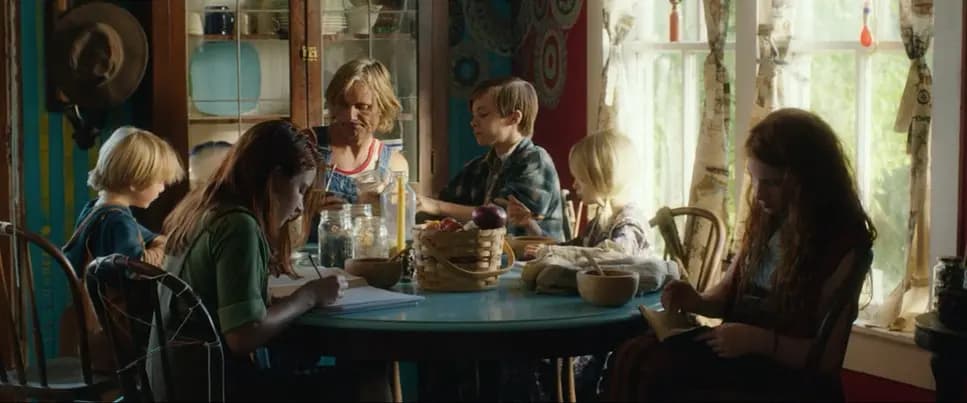
One of the primary aims of motivated lighting is to maintain a sense of realism that supports the audience's suspension of disbelief. This requires a coherent visual logic where every light source within a scene has a plausible origin. For instance, if a character is reading in a dimly lit room, the light should appear to come from a nearby lamp rather than an inexplicable overhead source. By ensuring that lighting choices are consistent with the setting and narrative, filmmakers enhance the audience's immersion and engagement with the story.
Distinguishing Motivated Lighting from Naturalistic Lighting
While motivated lighting focuses on replicating and enhancing real-world light sources, it is not to be confused with naturalistic lighting. Naturalistic lighting strives for a more documentary-style approach, capturing scenes as they naturally appear without manipulation. In contrast, motivated lighting allows for creative liberties that prioritize narrative needs over strict realism. It's about finding a balance where the lighting feels natural to the viewer but is crafted with intention and purpose to elevate the storytelling.
In summary, the principles of motivated lighting revolve around the strategic use of light to replicate and enhance real-world sources, thereby creating a believable and visually logical environment. By distinguishing it from naturalistic lighting, filmmakers can harness the power of light to not only illuminate their scenes but to deepen the narrative impact and audience connection.

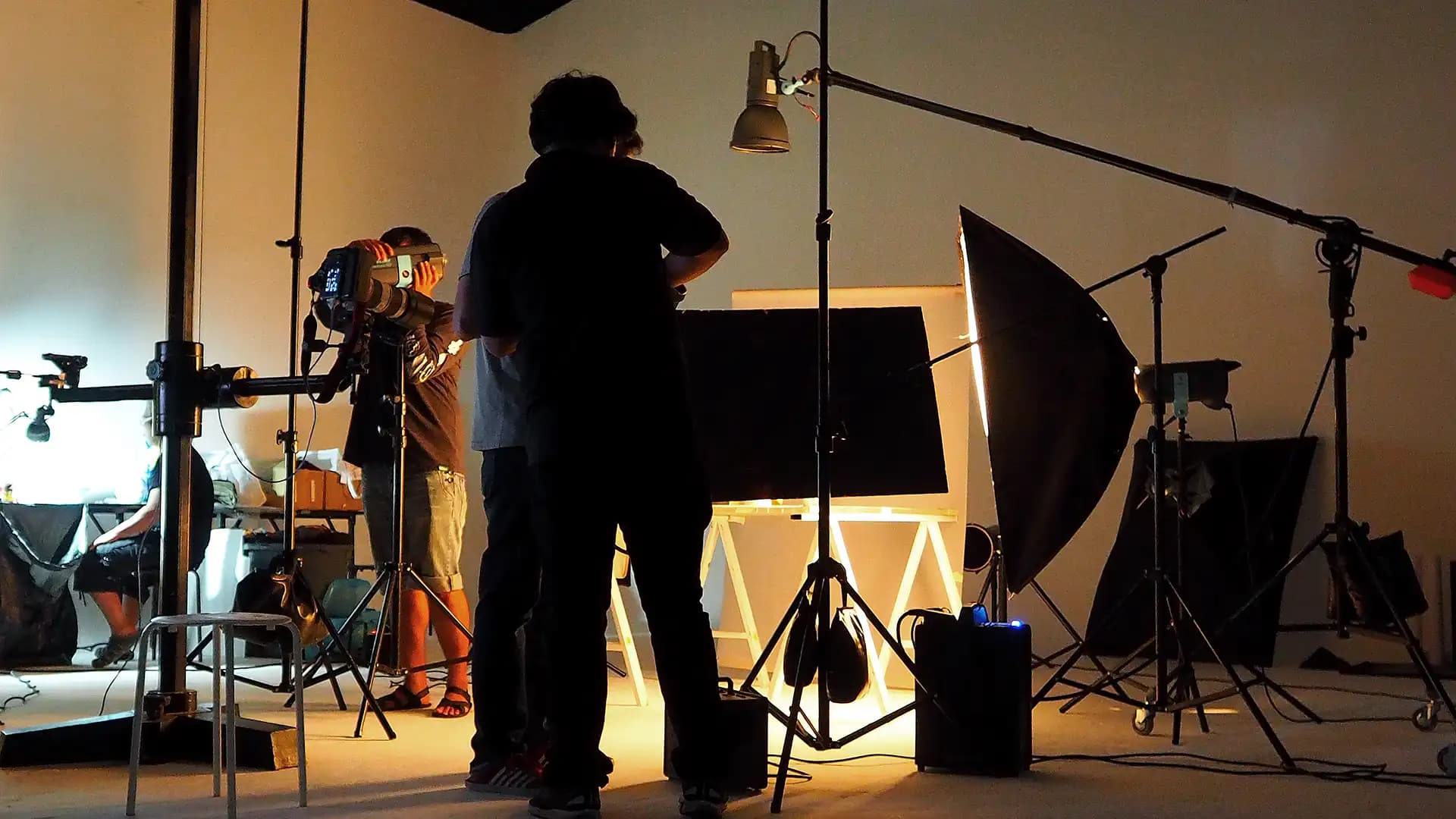
Justifying light sources on set is a critical aspect of creating a believable and immersive cinematic experience. This involves strategically using visible practical lights, integrating light sources into the mise-en-scène, and crafting a narrative context through your lighting choices.
Using Visible Practical Lights to Justify Illumination
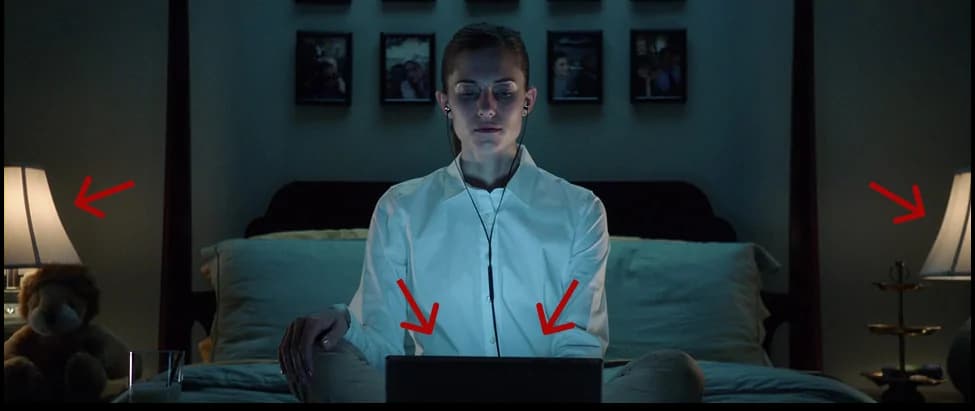
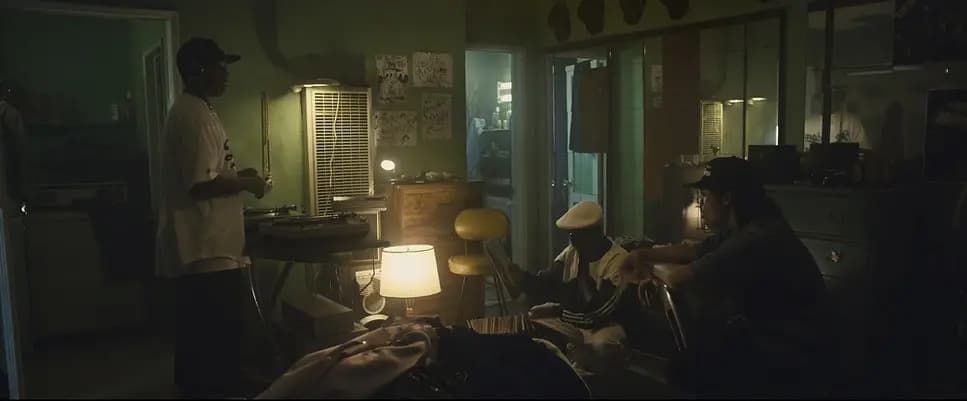
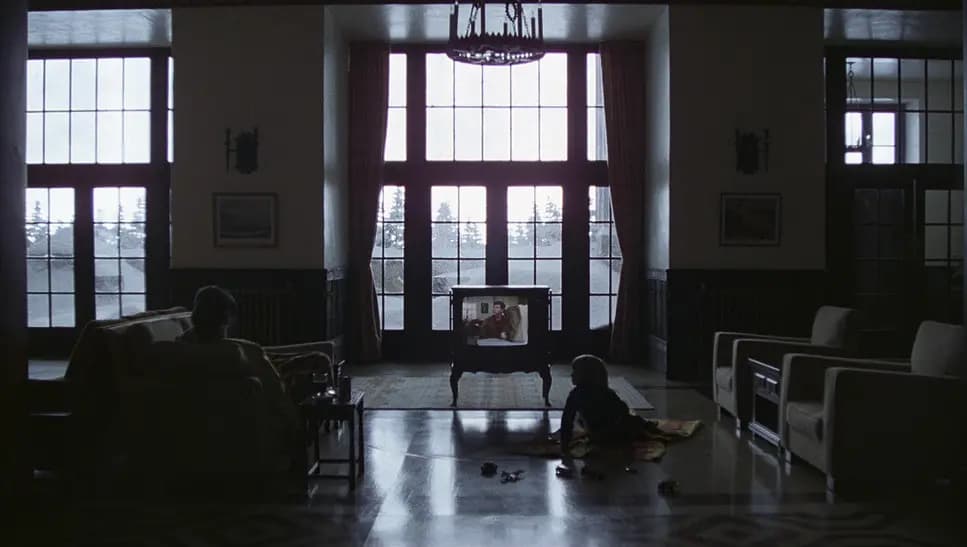
Practical lights are visible light sources within the scene itself, such as lamps, candles, or even a TV screen. They play a key role in motivated lighting as they 'justify' the illumination within the scene. However, it's important to remember that practical lights are usually not the primary source of illumination in a scene. They are often supplemented by off-camera lighting to achieve the desired level of brightness and mood.
For example, if a scene involves a character reading by lamp light, the lamp serves as a practical light. However, the light emitted by the lamp might not be sufficient to adequately illuminate the actor or the surrounding area. In such cases, off-camera lighting, mimicking the color temperature and direction of the lamp light, would be used to augment the illumination.
Techniques for Integrating Light Sources into the Mise-en-Scène
The mise-en-scène, or the arrangement of everything that appears in the frame, is crucial in justifying light sources. This involves careful set design and prop placement to ensure that the lighting feels natural and believable. For instance, if a scene is lit with a warm glow, but there are no visible light sources that could logically produce such a light, the audience's immersion might be disrupted.
When integrating light sources, consider the time of day, location, and cultural context of the scene. For example, in a daytime interior scene, natural light might stream through windows, whereas in a night-time street scene, the light could logically come from street lamps, car headlights, or storefronts.
Creating Narrative Context Through Lighting Choices
Lighting can do more than just illuminate a scene - it can help tell the story. The choice, placement, and intensity of light sources can reflect the mood of the scene, reveal character traits, and even hint at plot developments. For instance, a scene lit only by the cold glow of a computer screen might convey a character's isolation or obsession. Conversely, a warmly lit scene with soft shadows could suggest comfort, intimacy, or nostalgia.
By thoughtfully justifying your light sources on set, you can not only enhance the visual believability of your film, but also use lighting as a powerful storytelling tool. Remember, every light source in your scene, whether it's a glaring neon sign or a subtle sliver of moonlight, should serve the narrative in some way.
In cinematography, lighting is a powerful tool that can drastically affect the mood, tone, and overall visual narrative of a scene. A deep understanding of various lighting instruments and their effects can help filmmakers to create more impactful and visually stunning films. In this section, we will delve into the types of lights commonly used in the industry and explore their cinematic effects.
Overview of Common Lighting Instruments
There are several types of lights that are typically used on film sets, each with its unique characteristics and applications:
- LED Panels: These lights are versatile, energy-efficient, and offer adjustable color temperature. They are great for soft, diffused lighting and are often used for fill light or key light.
- Tungsten Lights: Known for their warm, yellowish light, tungsten lights are often used to create a cozy or romantic atmosphere. They are less energy-efficient than LEDs, but they offer a high color rendering index (CRI) which can enhance skin tones.
- Fluorescent Lights: These lights emit a soft, diffused light that is ideal for large areas. They are cooler than tungsten lights, making them a good choice for scenes that require a colder or more sterile atmosphere.
- HMI Lights: Short for Hydrargyrum Medium-Arc Iodide, HMI lights are powerful daylight-balanced lights often used for outdoor scenes or to mimic sunlight in indoor scenes. They are more energy-efficient than tungsten lights and offer a high output, making them ideal for large sets.
Understanding Intensity and Its Impact on Mood
The intensity of light can greatly affect the mood of a scene. High-intensity lighting can create a sense of drama and tension, while low-intensity lighting can evoke feelings of intimacy and calmness. For example, a scene in a horror movie might use high-intensity lighting to emphasize the fear and suspense, while a romantic scene would typically use low-intensity, warm lighting to create a cozy and intimate atmosphere.
Manipulating Color Temperature for Storytelling
Color temperature, measured in Kelvin (K), is a crucial aspect of lighting in cinematography. It refers to the perceived color of a light source, which can range from warm (yellow/orange) to cool (blue). By manipulating color temperature, filmmakers can use light to enhance the mood and emotion of a scene, as well as to provide visual cues to the audience.
For instance, a scene depicting a warm, sunny afternoon might use lights with a high color temperature to mimic the cool, blue light of the midday sun. Conversely, a scene set at dawn or dusk might use lights with a lower color temperature to evoke the warm, golden light of the golden hour.
Understanding the various types of lights and how their intensity and color temperature can be manipulated is crucial for any filmmaker. By carefully selecting and adjusting these lighting elements, you can greatly enhance the visual storytelling of your film.

When it comes to creating a cinematic depth in your film, practical lighting techniques play an instrumental role. A well-thought-out lighting plan can drastically elevate the quality of your film by adding depth, creating separation, and providing a more immersive experience for your audience. Here, we'll explore some practical lighting techniques that can help you achieve cinematic depth and balance in your shots.
Placing Practical Lights for Depth and Separation
Practical lights, or lights that are included in the scene itself (like a table lamp or a chandelier), can be strategically placed to add depth and create separation in your shots. For instance, placing a practical light in the background of your shot can create a sense of depth by illuminating the backdrop and creating a contrast with the foreground. Similarly, a practical light can be placed between two characters to create separation and emphasize the space between them.
Balancing Exposure between Practicals and Motivated Sources
When using practical lights in a scene, it's important to balance the exposure between these lights and your motivated light sources (the main sources of light that mimic natural light, like the sun or a room's overhead lights). You want to ensure that the practical lights don't overpower the motivated sources, or vice versa. One way to achieve this balance is by using dimmers to control the intensity of your practical lights. You can also use diffusion materials to soften the light from your motivated sources if they're too bright.
Examples of Practical Lighting Setups for Different Genres
Different film genres require different lighting setups to convey the appropriate mood and atmosphere. Let's look at a few examples:
- Drama: In a dramatic scene, you might use practical lights with a warm color temperature to create a cozy, intimate atmosphere. A table lamp or a fireplace could serve as a practical light in this scenario.
- Horror: For a horror film, you might use practical lights to create sharp contrasts and deep shadows, contributing to a sense of unease. A flickering light bulb or a flashlight could be your practical light here.
- Sci-fi: In a sci-fi film, practical lights with a cool color temperature can help create a futuristic, sterile environment. Here, you might use LED lights or neon signs as your practical lights.
Remember, these are just examples. The best lighting setup for your film will depend on your specific narrative and visual goals. Don't be afraid to experiment with different practical lights and motivated sources until you find a combination that works for your film.
In conclusion, practical lighting techniques can add depth and dimension to your scenes, helping to create a more engaging and immersive viewing experience. By placing practical lights strategically, balancing exposure, and tailoring your lighting setup to your film's genre, you can enhance your storytelling and bring your creative vision to life.
Matching and Augmenting Color Temperature
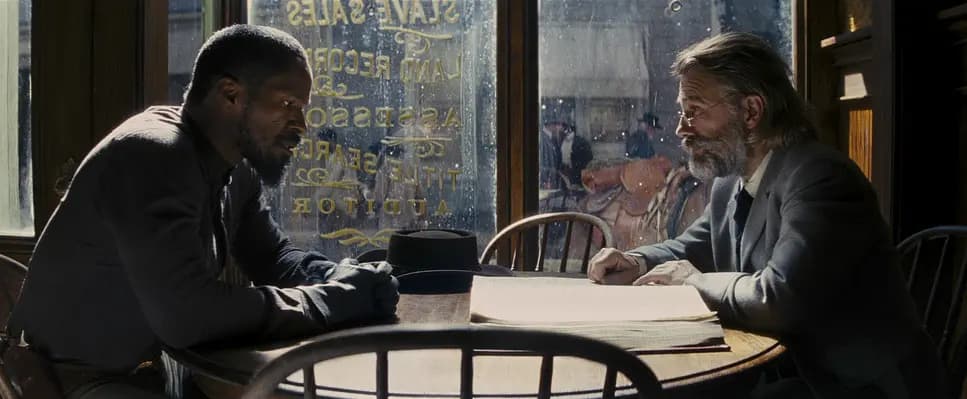
In the world of cinematography, achieving a harmonious visual aesthetic often hinges on the ability to match and augment color temperature. This task can be challenging, especially when working with a variety of light sources that naturally emit different hues. Fortunately, with the right strategies, you can ensure consistency and enhance the mood of your scenes effectively.
Challenges of Mixing Different Light Sources
One of the primary hurdles in maintaining consistent color temperature is mixing different types of light sources. Each source, whether it’s natural sunlight, tungsten bulbs, or LED panels, has its own color temperature. For example, daylight tends to be cooler, around 5600K, whereas tungsten lights emit a warmer glow at about 3200K. When these sources clash, it can result in an uneven and visually jarring scene.
The key is to either choose light sources that naturally complement each other or to modify them to align with your desired look. This requires a keen eye and an understanding of how different temperatures impact the emotional tone of a scene.
Strategies for Color Temperature Consistency
To achieve a consistent color temperature, start by identifying the dominant light source in your scene. This could be the sunlight streaming through a window or the overhead fluorescent lights in an office setting. Once you’ve established the base temperature, adjust your other light sources to match it.
- Use Adjustable Lighting: Many modern lights come with adjustable color temperatures. These are invaluable as they allow you to seamlessly match the ambient light without the need for additional equipment.
- Placement and Angling: Sometimes, simply repositioning a light can help it blend more naturally with other sources. Experiment with angles and distances to find the most cohesive setup.
- Camera White Balance: Don’t forget about your camera’s white balance settings. Adjusting this can help in compensating for minor discrepancies between light sources.
Using Gels and Filters to Match Practicals
Gels and filters are indispensable tools in a cinematographer’s arsenal for color correction. These thin sheets of colored plastic can be placed over lights to adjust their color output. Here’s how to use them effectively:
- Color Correction Gels: These gels are specifically designed to change the color temperature of a light. For instance, CTO (Color Temperature Orange) gels can warm up a daylight-balanced light to match tungsten sources.
- Diffusion Filters: While primarily used to soften light, diffusion filters can also help in reducing the intensity of a light, making it easier to integrate with other sources.
- Creative Gels: In addition to correction, creative gels can add unique tints to a scene, further enhancing the mood and aesthetic when used thoughtfully.
By mastering these techniques, you can create a visually cohesive and emotionally resonant film that draws viewers into its world without distraction. Remember, the art of matching and augmenting color temperature is about subtlety and precision, and even the smallest adjustments can make a significant difference in your storytelling.
Step-by-Step Guide to Creating Motivated Lighting
Creating motivated lighting is a nuanced process that requires a blend of creativity and technical skill. Here’s a step-by-step guide to help you illuminate your scenes with purpose and precision.
1. Analyzing the Script and Scene Requirements
The journey to motivated lighting begins with a deep dive into the script. Understanding the narrative, character arcs, and emotional beats is crucial. Ask yourself: What mood does this scene convey? How does light influence the character's journey? Consider the time of day, location, and emotional subtext, as these elements will inform your lighting choices.
For example, a scene set at dusk might require a gentle, warm glow to emphasize a moment of reflection. In contrast, a tense confrontation may call for stark, high-contrast lighting to heighten the drama.
2. Planning Light Placement and Motivation
Once you have a clear understanding of the scene, it's time to plan your light placement. Identify existing light sources within the scene—such as lamps, windows, or streetlights—that can be used as a basis for your motivated lighting.
Sketch out a lighting plan that highlights these sources. Consider the direction, quality, and intensity of each light. Your goal is to create a naturalistic feel that supports the narrative. For instance, if a character is reading by a window, position your key light to mimic the angle and quality of sunlight streaming through.
3. Collaborating with Set Design and Art Departments
Collaboration is key in filmmaking. Work closely with the set design and art departments to ensure that your lighting complements the overall aesthetic. Discuss the placement of practical lights and any adjustments needed to integrate them seamlessly into the set.
For instance, if a scene takes place in a vintage kitchen, you might coordinate with the art department to include period-appropriate fixtures that can be practically lit. This collaboration ensures cohesion between the visual elements and the lighting design.
4. On-Set Adjustments and Troubleshooting
Even with meticulous planning, real-world conditions often require on-the-fly adjustments. Be prepared to tweak your lighting setup once you’re on set. Pay close attention to how the light interacts with the actors and the set. Minor adjustments to light angles or intensity can make a significant difference in achieving the desired look.
Stay flexible and open to experimentation. If a practical light is casting unwanted shadows, consider using bounce cards or diffusion to soften the effect. Always keep the story in mind and make adjustments that serve the narrative.
By following these steps, you'll be able to create motivated lighting that not only looks beautiful but also enhances the storytelling. Remember, the goal is to support the narrative and evoke the right emotions through your lighting choices. Happy lighting!
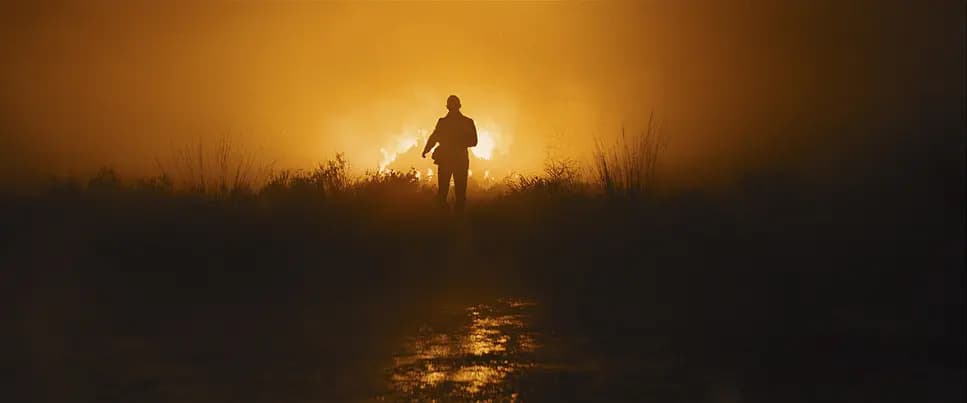
Have you ever wondered how filmmakers can make you feel a certain way about a character or a scene without a single word of dialogue? One of their most powerful tools is motivated lighting, a technique that uses light to tell a story and guide the audience's perception. In this section, we will delve into the art of using motivated lighting for visual storytelling.
Lighting Choices and Audience Perception
Lighting can make a profound impact on how we perceive a scene or a character. For example, a character lit from below might seem menacing, while a character bathed in soft, warm light may appear more sympathetic. By manipulating light, filmmakers can subtly guide the audience's emotions and impressions.
Consider the difference between a scene lit by a single harsh overhead light versus one filled with soft, diffused light from multiple sources. The former might feel intense and oppressive, while the latter feels more welcoming and relaxed. This is an example of how lighting choices can shape the audience's response to a scene.
Directing Attention and Revealing Character
Motivated lighting can also be used to guide the viewer's attention. By strategically placing light and shadow, filmmakers can highlight important details or direct the viewer's gaze. For example, a spotlight on a character in a crowded room can immediately draw our attention to that character.
Lighting can also be used to reveal or hide aspects of a character. For example, a character who is mostly in shadow might be mysterious or hiding something, while a character fully illuminated may be seen as open and honest.
Visual Storytelling through Light and Shadow
Light and shadow can tell a story all on their own. A gradual shift from light to darkness might represent a character's descent into despair, while a sudden burst of light could signify a moment of realization or hope.
Think about the play of light and shadow in a suspenseful thriller. The flickering shadows cast by a dimly lit lamp can create a sense of unease, while a sudden flash of light can deliver a jolt of surprise.
But motivated lighting isn't just for dramatic moments. It can also be used to create a sense of place and time. For instance, the warm, golden light of a setting sun can evoke a sense of nostalgia, while the cool, blue light of a moonlit night can create a romantic mood.
In conclusion, motivated lighting is a powerful tool for visual storytelling. By manipulating light and shadow, filmmakers can guide the audience's perception, direct their attention, and tell a compelling story. So, the next time you watch a movie or a TV show, pay attention to the lighting. You might be surprised by how much it contributes to the story.
Original Examples and Creative Applications
Motivated lighting is an art form that thrives on creativity and innovation. While the principles of motivated lighting remain consistent, its application can vary widely across different film genres. Let's explore some inventive uses of motivated lighting, offering you fresh perspectives and practical tips to experiment with these techniques, even on a budget.
Inventive Uses of Motivated Lighting in Various Genres
In the realm of suspense, lighting can be used to heighten tension and create an atmosphere of unease. For example, consider a scene set in a dimly lit attic. The only light source is a flickering bulb hanging from the ceiling. By strategically placing a low-wattage bulb and using a dimmer, the light’s intermittent glow can cast ominous shadows, suggesting movement and mystery. Adding a subtle blue gel can enhance the cold, eerie feel, pulling the audience deeper into the suspense.
For a romance film, motivated lighting can create intimate and warm atmospheres. Imagine a couple sitting at a candle-lit dinner. The key light could be a series of candles placed on the table, their soft, flickering light adding a warm, inviting glow to the scene. To enhance this effect, you might use a soft, diffused fill light from an angle that mimics the candlelight, maintaining the romantic mood while ensuring both actors are visible and beautifully lit.
Action sequences benefit greatly from dynamic and intense lighting. Picture a high-speed chase through a neon-lit cityscape. Here, motivated lighting could involve the use of practical neon signs and streetlights, their vibrant colors reflected on wet pavements. By using LED panels with colored gels, you can replicate the intense hues of the neon signs, creating a cohesive and thrilling visual experience.
Sample Scenarios: Suspense, Romance, and Action
Let's dive into a few sample scenarios where motivated lighting can be creatively applied:
- Suspense: A protagonist searching a dark, abandoned warehouse. Use a flashlight as a motivated light source, creating a focused beam that carves through the darkness, revealing clues and casting long, dramatic shadows.
- Romance: A sunset picnic scene. Natural light can be complemented with a strategically placed LED panel to simulate the golden hour glow, enhancing the romantic ambiance while ensuring the actors’ faces are well lit.
- Action: A heist scene in a bank. Use practical lights like desk lamps and computer screens to create pools of light that add tension and drama, allowing characters to slip in and out of shadows seamlessly.
Tips for Experimenting with Motivated Light on a Budget
Creating effective motivated lighting doesn't necessarily require a large budget. Here are some tips to get creative with your resources:
- Utilize Natural Light: Plan your shoots to take advantage of natural light sources, such as windows or skylights, and use reflectors to bounce and shape the light where needed.
- DIY Modifiers: Household items like shower curtains or baking paper can serve as excellent diffusers, softening harsh light and creating a more natural look.
- Repurpose Household Lights: Lamps, flashlights, and string lights can be creatively integrated into your scenes as practical light sources, providing both function and style.
- Experiment with Color: Colored gels can transform inexpensive lights, allowing you to match the mood and tone of your scene effectively.
By thinking creatively and utilizing available resources, you can achieve stunning motivated lighting effects that enhance your storytelling, regardless of budget constraints. Remember, the key is to ensure that every light source has a purpose and contributes to the narrative, enhancing both the visual and emotional impact of your film.
Conclusion
As we wrap up our exploration of motivated lighting, it's clear that this technique is a cornerstone of effective cinematography, capable of transforming a simple scene into a visually compelling narrative. Motivated lighting goes beyond mere illumination; it is a tool that enhances storytelling by grounding the audience in the world of the film through believable and purposeful light sources.
Throughout this blog, we've delved into the principles that define motivated lighting, from its ability to imitate real-world light sources to its role in establishing visual logic and believability. We’ve also discussed how motivated lighting can be distinguished from naturalistic lighting, offering filmmakers a way to subtly guide viewers' attention and emotions without breaking the immersive experience.
Key to mastering motivated lighting is the art of justifying light sources on set. By integrating practical lights into the mise-en-scène and creating a narrative context for each lighting choice, filmmakers can seamlessly blend light and story. This approach not only enhances the visual depth of a scene but also ensures that each light source serves a purpose, enriching the overall narrative.
Understanding the various types of lights and their cinematic effects is crucial. Whether using LED panels, tungsten, or HMIs, the choice of lighting instrument and its manipulation of intensity and color temperature can dramatically influence the mood and tone of a scene. Practical lighting techniques, such as placing lights for depth and separation or balancing exposure, are vital skills for any cinematographer aiming to achieve cinematic depth and dimension.
Furthermore, matching and augmenting color temperature is a challenge that can be overcome with careful planning and the use of gels and filters. By ensuring color consistency across different light sources, filmmakers can maintain a cohesive visual style that supports the story being told.
For those looking to apply these concepts, our step-by-step guide offers a roadmap to creating motivated lighting, from script analysis to on-set adjustments. Collaboration with set design and art departments is essential, as is a willingness to experiment and refine techniques. Motivated lighting is not a static skill but an evolving art that benefits from continuous experimentation and adaptation.
In conclusion, motivated lighting is an invaluable tool for filmmakers and cinematographers, offering endless opportunities to enhance visual storytelling. By thoughtfully applying the principles and techniques discussed, you can create scenes that resonate with audiences and elevate your film's narrative impact. We encourage you to experiment with motivated lighting, pushing the boundaries of creativity and innovation to find what uniquely works for your storytelling vision.
As you embark on your next project, remember that every light has a story to tell. Use motivated lighting to craft those stories with intention and imagination, and watch as your cinematic worlds come to life with authenticity and depth.
FAQs
1. What is motivated lighting in cinematography?
Motivated lighting is a technique in cinematography that uses lighting to enhance storytelling. It imitates and accentuates real-world light sources, creating believability and visual logic in a film. It's a crucial tool for creating immersive film worlds and guiding audience perception.
2. How does motivated lighting differ from naturalistic lighting?
While both aim for a sense of realism, motivated lighting goes a step further by using lighting to support the narrative and guide audience emotions. Naturalistic lighting simply tries to mimic natural light, without necessarily considering the story's needs.
3. What are some common lighting instruments used in motivated lighting?
Common instruments include LED panels, tungsten lights, fluorescent lights, and HMIs. Each has its own unique properties, and can be used to manipulate intensity and color temperature for storytelling purposes.
4. What are some techniques for justifying light sources on set?
Visible practical lights like lamps and windows can be used to justify illumination. These light sources can be integrated into the mise-en-scène, and can provide narrative context through their placement and intensity.
5. How does motivated lighting contribute to cinematic depth?
Motivated lighting helps create depth and separation in a scene by balancing exposure between practical lights and motivated sources. This technique can be used to create distinct visual effects for different genres.
6. What is the role of color temperature in motivated lighting?
Color temperature can significantly impact the mood of a scene. By matching and augmenting color temperature, cinematographers can create a consistent look and feel, even when mixing different light sources.
7. What steps should be followed to create motivated lighting?
The process includes analyzing the script and scene requirements, planning light placement and motivation, collaborating with set design and art departments, and making on-set adjustments as needed.
8. How does motivated lighting influence audience perception?
Motivated lighting can direct attention and reveal character, shaping how the audience perceives the story. It's a powerful tool for visual storytelling, using light and shadow to create atmosphere and emotion.
9. What are some creative applications of motivated lighting?
Motivated lighting can be used inventively in various genres, from creating suspense in thrillers to evoking romance in dramas. Even on a budget, filmmakers can experiment with lighting to enhance their storytelling.
10. What are the key takeaways for filmmakers regarding motivated lighting?
The key takeaways are understanding the role of motivated lighting in cinematic storytelling, the importance of planning and collaboration, and the value of experimenting with different techniques and equipment to create the desired effect.
.webp)
Creative Collaboration Platform: The Backbone of Modern Creative WorkWhat is a creative collaboration platform?Clapboard defines a creative collaboration platform as the operational core for today’s distributed creative teams. This is not a collection of digital collaboration tools stitched together; Clapboard’s system

Understanding the Creative Production MarketplaceWhat is a Creative Production Marketplace?Clapboard defines a creative production marketplace as a structured ecosystem where brands, agencies, and production talent converge to execute video, advertising, and branded content at scale. Unlike the legacy agency or freelanREAD FULL ARTICLE
The Urgent Need for a Creative Production Operating SystemWhy Traditional Creative Production Models Break DownClapboard sees the creative production landscape shifting under pressure. Content velocity is no longer a buzzword—it’s a mandate. Modern advertising demands relentless output across dozens of channels, each wREAD FULL ARTICLE

JOIN THE NEWSLETTER.
Content Production insights, videos, books, and freebies, delivered to your inbox weekly


LEAVE A COMMENT
Your email address will not be published.